

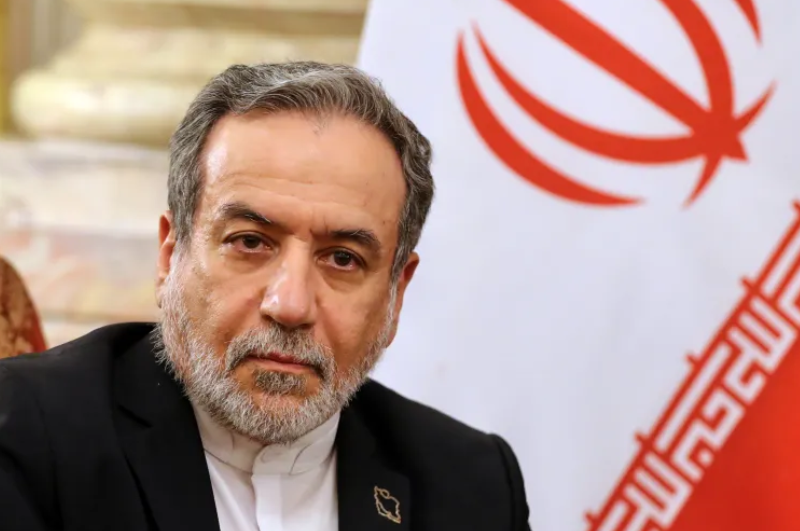
1 April 2026 Punjab Khabarnama Bureau : Amid escalating tensions in the Iran–Israel conflict, Iran’s Foreign Minister Abbas Araghchi offered key insights into Tehran’s stance during a recent interview with Al Jazeera. His remarks shed light on Iran’s position regarding negotiations, military escalation, and its broader strategy in the ongoing conflict.
First, Iran insists there are no formal negotiations with the United States despite ongoing communication.
Araghchi confirmed that messages have been exchanged between Iran and the United States, either directly or through intermediaries. However, he strongly rejected claims that these exchanges amount to negotiations. He emphasized that communication channels exist mainly to manage tensions and avoid miscalculations rather than to pursue a structured diplomatic process.
This distinction is crucial, as it highlights Iran’s reluctance to enter formal talks under current conditions. According to Araghchi, Tehran does not view the current environment—marked by military pressure and threats—as conducive to meaningful negotiations. The message suggests that while backchannel communication continues, the path to diplomacy remains uncertain.
Second, Iran rejects ceasefire-focused diplomacy and seeks a broader resolution.
In the interview, Araghchi made it clear that Iran is not interested in a temporary ceasefire. Instead, Tehran is looking for a more comprehensive resolution to the conflict. This position reflects a strategic calculation: a ceasefire without addressing underlying issues could simply delay further confrontation.
By rejecting short-term solutions, Iran appears to be signaling that it wants guarantees related to security, sovereignty, and possibly sanctions relief before considering any agreement. This stance complicates diplomatic efforts, as it raises the bar for negotiations and reduces the likelihood of quick de-escalation.
Third, Iran warns of strong retaliation and shows zero trust in the US.
Araghchi emphasized that Iran is closely monitoring its adversaries and is prepared to respond decisively to any further attacks. He reiterated that Iran has “zero trust” in the United States, citing past experiences and ongoing military pressure.
This lack of trust is a central theme in Iran’s foreign policy and plays a significant role in shaping its decisions. It also explains Tehran’s cautious approach to diplomacy and its emphasis on self-reliance and deterrence. Araghchi’s remarks suggest that any miscalculation by opposing forces could trigger a strong response, increasing the risk of further escalation.
The broader context of the interview reflects a conflict that is becoming increasingly complex and difficult to resolve. The Iran–Israel war has already expanded beyond direct military engagements to include attacks on infrastructure, disruptions in global oil supply routes, and rising regional tensions.
Araghchi’s comments also indicate that Iran is positioning itself as a resilient actor in the conflict. By maintaining communication channels while rejecting formal negotiations, Tehran appears to be balancing the need to avoid uncontrolled escalation with its refusal to concede under pressure.
At the same time, the rejection of a ceasefire underscores the depth of the current crisis. It suggests that both sides may be preparing for a prolonged conflict rather than seeking immediate resolution. This has significant implications for global markets, regional stability, and humanitarian conditions.
The interview also highlights the importance of perception in international conflicts. By publicly denying negotiations and emphasizing distrust, Iran is sending a message not only to the United States but also to domestic and regional audiences. It reinforces a narrative of resistance and sovereignty, which is central to its political strategy.
Meanwhile, global observers are closely watching developments for any signs of de-escalation. Diplomatic efforts continue through intermediaries, but the gap between the positions of the involved parties remains wide.
In conclusion, Abbas Araghchi’s interview provides valuable insight into Iran’s current strategy. The key takeaways—denial of formal negotiations, rejection of ceasefire-only solutions, and a strong warning against further attacks—underscore the challenges facing any diplomatic resolution. As the conflict continues, these positions will play a crucial role in shaping its trajectory and potential outcomes.
Summary
Araghchi says no formal US talks, rejects ceasefire-only deals, and warns of retaliation, highlighting Iran’s distrust and hardline stance amid escalating conflict and uncertain prospects for diplomacy.