

24 March 2026 Punjab Khabarnama Bureau : In a major public health initiative, the government of Telangana has revealed that its population-based screening programme has identified a staggering number of individuals suffering from non-communicable diseases. According to official data, around 26.9 lakh people have been diagnosed with Hypertension, while nearly 14 lakh individuals have been found to have Diabetes.
The large-scale screening drive, aimed at early detection and prevention, is being hailed as one of the most comprehensive public health efforts in the state. It reflects a growing focus on tackling lifestyle diseases, which are emerging as major health challenges across India.
A Massive Screening Exercise
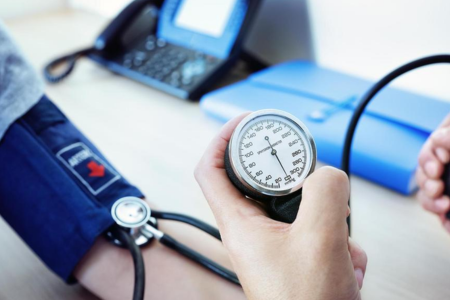
The programme covered millions of residents across urban and rural areas, ensuring that even remote populations had access to basic health check-ups. Health workers conducted door-to-door screenings, measuring blood pressure levels and blood sugar, and recording other vital health indicators.
Officials said the initiative was designed to identify “silent diseases” that often go undiagnosed until complications arise. Both hypertension and diabetes are known to progress without noticeable symptoms in their early stages, making widespread screening essential.
Rising Burden of Lifestyle Diseases
The findings underline the increasing prevalence of non-communicable diseases in India. Hypertension is a leading risk factor for heart disease and stroke, while Diabetes can lead to serious complications such as kidney failure, nerve damage, and vision problems.
Experts attribute the rising numbers to changing lifestyles, including poor dietary habits, lack of physical activity, stress, and urbanization. The data from Telangana serves as a wake-up call for both policymakers and the public.
Importance of Early Detection
One of the key objectives of the screening programme is early diagnosis. Detecting hypertension and diabetes at an early stage allows for timely intervention, which can significantly reduce the risk of complications.
Patients diagnosed during the screening are being referred to nearby healthcare centers for further evaluation and treatment. They are also being provided with guidance on lifestyle changes, including diet, exercise, and medication adherence.
Health officials emphasized that early detection not only improves individual health outcomes but also reduces the overall burden on the healthcare system.
Strengthening Primary Healthcare
The success of the programme highlights the importance of a strong primary healthcare network. Community health workers, including ASHA and ANM staff, played a crucial role in reaching households and conducting screenings.
The initiative also leveraged digital tools for data collection and monitoring, enabling real-time tracking of cases and ensuring better follow-up care. This integrated approach has helped streamline the process and improve efficiency.
Government’s Preventive Approach
The Telangana government has been increasingly focusing on preventive healthcare rather than just treatment. By identifying high-risk individuals early, the state aims to reduce hospitalizations and long-term healthcare costs.
Officials noted that similar screening drives may be expanded further to include other non-communicable diseases, such as cancer and chronic respiratory conditions.
Challenges Ahead
Despite the success of the programme, challenges remain. Ensuring that all diagnosed individuals receive consistent treatment and follow-up care is a major task. Adherence to medication and lifestyle changes can be difficult, especially in low-income and rural populations.
There is also a need for continuous awareness campaigns to educate people about the risks associated with hypertension and diabetes. Without sustained efforts, the benefits of early detection may not be fully realized.
A Model for Other States
Public health experts believe that Telangana’s initiative could serve as a model for other states. Large-scale, population-based screening programmes can play a crucial role in addressing the growing burden of non-communicable diseases in India.
By combining early detection with preventive strategies, such initiatives can significantly improve public health outcomes.
Conclusion
The detection of 26.9 lakh hypertension cases and 14 lakh diabetes cases through Telangana’s screening programme underscores the scale of the challenge posed by lifestyle diseases. However, it also highlights the potential of proactive healthcare measures in addressing these issues.
As India continues to grapple with rising cases of non-communicable diseases, initiatives like this offer a roadmap for building a healthier future.
Summary
Telangana’s mass screening identified 26.9 lakh hypertension and 14 lakh diabetes cases, highlighting rising lifestyle diseases and the importance of early detection, preventive healthcare, and sustained treatment efforts.