

19 March 2026 Punjab Khabarnama Bureau : A new study has warned that rising global temperatures linked to Climate Change could lead millions of people around the world to become physically inactive by the year 2050.
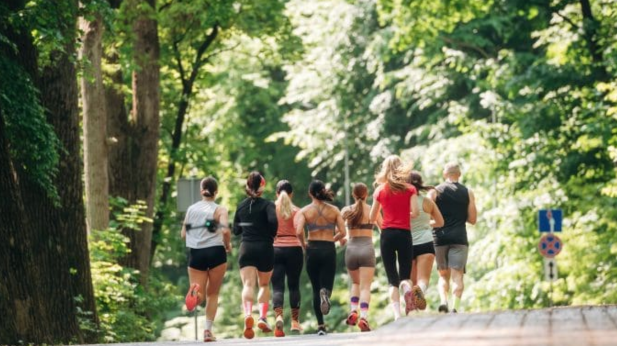
Researchers say increasing heat levels, extreme weather events and worsening environmental conditions may discourage outdoor physical activities such as walking, running, cycling and sports. As temperatures rise, people may find it harder or even unsafe to exercise outside for extended periods.
The study highlights that heatwaves and prolonged high temperatures could significantly reduce opportunities for regular physical activity, especially in regions already experiencing hot climates. When temperatures become too extreme, outdoor exercise can increase the risk of dehydration, heat exhaustion and other health complications.
Experts believe that the impact may be particularly severe in densely populated cities where urban heat islands intensify temperatures. In such environments, concrete structures and limited green spaces trap heat, making outdoor activities uncomfortable and sometimes dangerous.
Reduced physical activity can have serious consequences for public health. Lack of regular exercise is strongly linked to a range of health conditions, including Obesity, Type 2 Diabetes and Heart Disease.
Researchers warn that if climate change continues at the current pace, many communities may face new barriers to maintaining active lifestyles. Outdoor sports fields, parks and recreational spaces could become less accessible during long periods of extreme heat.
Children and older adults may be particularly vulnerable to these changes. Young people who rely on outdoor play and sports for physical activity may spend more time indoors due to uncomfortable weather conditions. Similarly, older adults may avoid outdoor exercise because of health risks associated with high temperatures.
The research also suggests that climate-related inactivity could worsen existing health inequalities. Communities with limited access to air-conditioned gyms, indoor recreational facilities or safe public spaces may struggle more to maintain regular exercise.
Urban planners and public health experts say cities will need to adapt to the challenges posed by climate change. This could include creating more shaded walking paths, expanding green spaces, building climate-resilient sports facilities and encouraging indoor physical activity options.
Improving infrastructure such as parks, tree cover and cooling systems may help reduce the impact of extreme heat and make outdoor exercise safer for residents. Experts believe that thoughtful urban planning could play a key role in protecting public health in a warming world.
The study also highlights the importance of climate action to limit global warming. Reducing greenhouse gas emissions and slowing temperature increases could help prevent some of the projected health impacts.
Health professionals emphasize that maintaining physical activity is essential for overall well-being. Regular exercise supports cardiovascular health, mental health, weight management and immune function.
While climate change poses new challenges, experts encourage individuals to adapt by choosing safer times for outdoor activity, such as early mornings or evenings, and by considering indoor exercise during extreme weather.
The findings underline the growing connection between environmental changes and human health. As the planet warms, researchers say addressing climate change will be crucial not only for environmental protection but also for safeguarding global public health.
Summary
A study warns climate change could push millions into physical inactivity by 2050 as rising temperatures and extreme heat discourage outdoor exercise, potentially increasing risks of obesity, diabetes and heart disease.