

25 May 2026 Punjab Khabarnama Bureau : On the occasion of World Thyroid Day, health experts are urging people to pay closer attention to early warning signs of thyroid disorders, which often go unnoticed despite affecting millions worldwide.
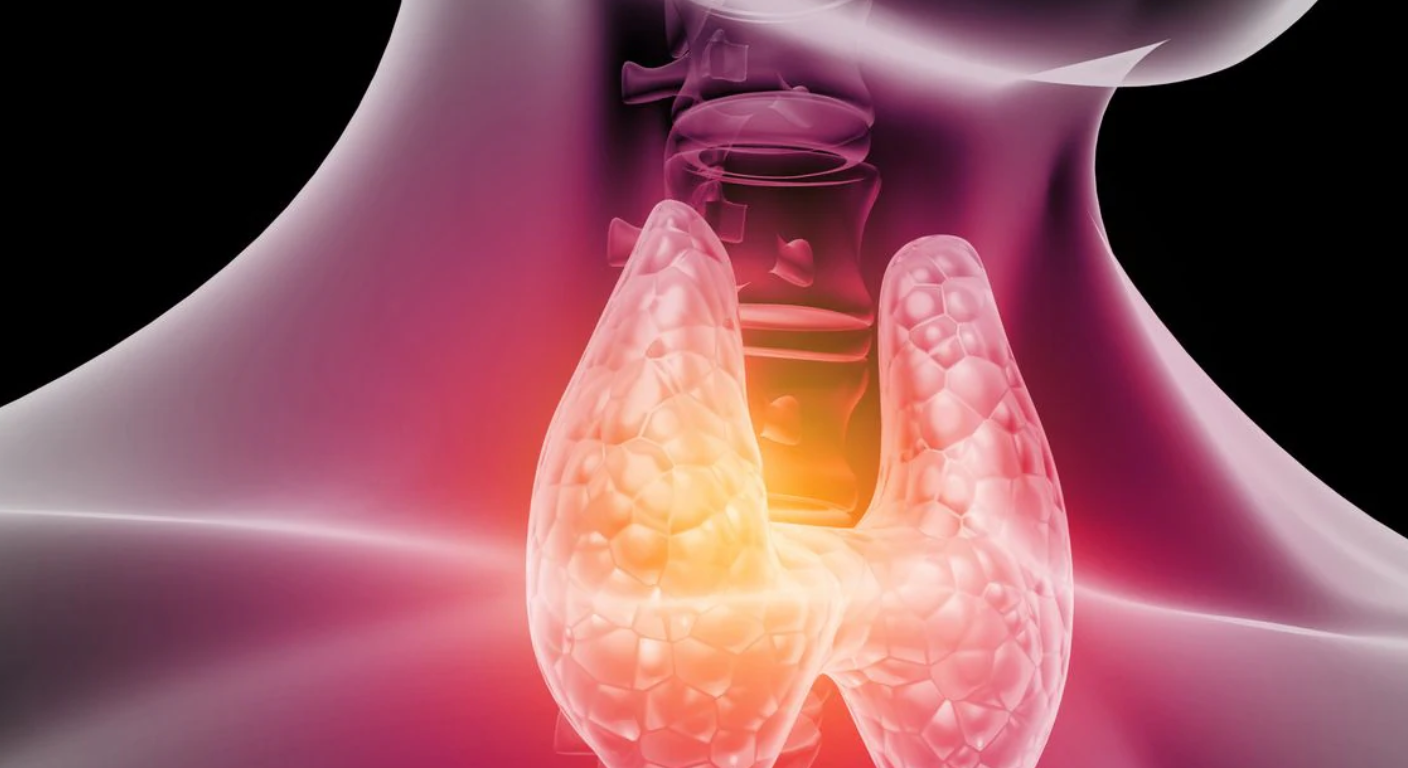
The thyroid is a small butterfly-shaped gland located in the neck that plays a major role in regulating metabolism, energy production, body temperature, heart rate, hormones, and overall body function.
When the thyroid produces too little or too much hormone, it can lead to conditions such as Hypothyroidism and Hyperthyroidism.
Doctors say thyroid disorders are increasingly common, especially among women, but many people remain undiagnosed because symptoms often develop gradually and resemble other health conditions.
Why Thyroid Health Matters
The thyroid gland influences nearly every organ system in the body.
If thyroid hormone levels become imbalanced, it may affect:
- Heart health
- Weight
- Mood
- Digestion
- Fertility
- Sleep
- Skin and hair
- Menstrual health
- Mental function
Medical experts say early diagnosis and treatment can significantly improve quality of life and prevent complications.
Here are 10 major warning signs that may indicate thyroid-related problems.
1. Unexplained Weight Changes
Sudden weight gain or difficulty losing weight may indicate hypothyroidism, where the thyroid becomes underactive and metabolism slows down.
Conversely, rapid weight loss despite normal eating habits may signal hyperthyroidism, which speeds up metabolism excessively.
2. Constant Fatigue And Low Energy
Persistent tiredness is one of the most common thyroid symptoms.
People with hypothyroidism often feel exhausted even after adequate sleep because the body produces less energy.
In hyperthyroidism, disrupted sleep and excessive metabolism may also cause fatigue and weakness.
3. Hair Fall And Dry Skin
Thyroid hormone imbalance can affect skin and hair health.
Symptoms may include:
- Hair thinning
- Excessive hair fall
- Brittle hair
- Dry skin
- Rough or flaky skin
Doctors say these symptoms often appear gradually.
4. Mood Changes And Anxiety
The thyroid also affects mental health and emotional regulation.
Hypothyroidism may contribute to:
- Depression
- Brain fog
- Slow thinking
- Memory problems
Hyperthyroidism may trigger:
- Anxiety
- Irritability
- Restlessness
- Panic symptoms
5. Changes In Heart Rate
An underactive thyroid may slow heart rate, while an overactive thyroid can cause:
- Palpitations
- Rapid heartbeat
- Irregular heart rhythm
Doctors warn that untreated thyroid disorders may eventually affect cardiovascular health.
6. Sensitivity To Temperature
People with hypothyroidism often feel unusually cold because metabolism slows down.
Those with hyperthyroidism may experience:
- Excessive sweating
- Heat intolerance
- Feeling unusually warm
7. Swelling In The Neck
Visible swelling or fullness around the neck could indicate enlargement of the thyroid gland, also known as a goiter.
Experts advise medical evaluation if neck swelling, discomfort, or difficulty swallowing develops.
8. Digestive Problems
The thyroid affects digestion and bowel movement.
Hypothyroidism may cause:
- Constipation
- Sluggish digestion
- Bloating
Hyperthyroidism can lead to:
- Frequent bowel movements
- Diarrhea
- Increased appetite
9. Menstrual And Fertility Issues
Hormonal imbalance caused by thyroid disorders can disrupt reproductive health.
Women may experience:
- Irregular periods
- Heavy bleeding
- Fertility problems
- Pregnancy complications
Doctors say thyroid screening is important for women facing unexplained reproductive health issues.
10. Muscle Weakness And Joint Pain
Thyroid imbalance may affect muscles and joints, leading to:
- Muscle cramps
- Weakness
- Stiffness
- Joint discomfort
People with untreated thyroid conditions sometimes struggle with daily physical activity due to fatigue and muscle problems.
Why Cases Are Increasing
Doctors believe several factors may contribute to rising thyroid disorders globally, including:
- Stress
- Poor diet
- Autoimmune diseases
- Sedentary lifestyle
- Environmental pollution
- Iodine imbalance
- Hormonal changes
Women are significantly more likely to develop thyroid disorders than men.
Importance Of Early Diagnosis
Experts stress that thyroid disorders can usually be managed effectively through medication, dietary adjustments, and regular monitoring.
Diagnosis often involves:
- Blood tests
- Hormone level assessment
- Ultrasound scans
- Clinical evaluation
Early treatment can help prevent complications involving the heart, metabolism, fertility, and mental health.
Lifestyle Tips For Thyroid Health
Doctors recommend maintaining:
- Balanced nutrition
- Regular exercise
- Stress management
- Adequate sleep
- Routine health check-ups
Iodine intake also plays an important role in thyroid function, though excessive supplementation without medical advice is not recommended.
Raising Awareness On World Thyroid Day
World Thyroid Day is observed annually to increase awareness regarding thyroid disorders and encourage early diagnosis.
Health experts say public awareness remains crucial because many individuals continue living with undiagnosed thyroid conditions for years.
Medical professionals advise anyone experiencing multiple persistent symptoms to seek proper medical evaluation rather than ignoring early warning signs.
As thyroid disorders continue affecting millions globally, awareness, early detection, and timely treatment remain essential for maintaining long-term health and overall well-being.