

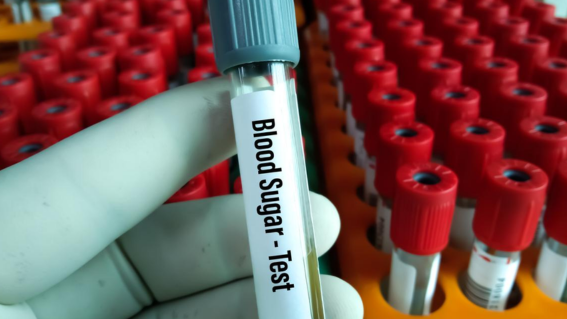
10 February 2026 Punjab Khabarnama Bureau : A new study has cautioned that anaemia and certain blood disorders can significantly affect the accuracy of the HbA1c test, one of the most widely used tools for diagnosing and monitoring diabetes. Researchers say the findings highlight the need for doctors to interpret HbA1c results carefully, especially in patients with underlying blood-related conditions.
HbA1c, also known as glycated haemoglobin, measures average blood sugar levels over the past two to three months by assessing how much glucose is attached to haemoglobin in red blood cells. Since red blood cells typically survive for around 120 days, the test is considered a reliable indicator of long-term glucose control. However, the study suggests this assumption does not always hold true.
How Anaemia Affects HbA1c Readings
According to the study, different types of anaemia can either falsely raise or lower HbA1c values. In iron-deficiency anaemia, red blood cells tend to live longer, allowing more time for glucose to bind to haemoglobin. This can result in artificially elevated HbA1c levels, potentially leading to a misdiagnosis of diabetes or overestimation of blood sugar control.
On the other hand, conditions that shorten red blood cell lifespan—such as haemolytic anaemia or acute blood loss—can lower HbA1c values. In such cases, patients with genuinely high blood sugar levels may appear to have normal or near-normal HbA1c readings, delaying diagnosis or giving a false sense of control.
Impact of Other Blood Disorders
The study also found that haemoglobinopathies, such as sickle cell disease and thalassemia, can interfere with HbA1c measurements. Abnormal haemoglobin variants may affect how glucose binds to haemoglobin or how laboratory instruments detect it, leading to inaccurate results.
Chronic kidney disease, which often coexists with anaemia, was also highlighted as a condition that can distort HbA1c readings. Altered red blood cell turnover and the use of treatments like erythropoietin can further complicate interpretation.
Clinical Implications
Researchers stressed that relying solely on HbA1c could be misleading in patients with known or suspected blood disorders. They recommend that clinicians consider alternative or complementary tests, such as fasting plasma glucose, oral glucose tolerance tests (OGTT), or continuous glucose monitoring (CGM), to get a more accurate picture of a patient’s glycaemic status.
Experts also advise screening for anaemia when HbA1c results do not match a patient’s symptoms or self-monitored blood glucose levels. Treating underlying iron deficiency or other blood conditions may help normalise HbA1c readings over time.
What Patients Should Know
Health professionals emphasize that patients should not panic if their HbA1c results seem inconsistent. Instead, they should discuss their full medical history, including any known blood disorders, fatigue symptoms, or nutritional deficiencies, with their doctor.
The study reinforces the importance of personalised medicine, noting that while HbA1c remains a valuable tool, it is not infallible. Understanding its limitations can help prevent misdiagnosis, unnecessary treatment, or delayed care.
As diabetes rates continue to rise globally, the findings underscore the need for greater awareness among both doctors and patients about factors that can influence common diagnostic tests.
Summary
A study warns that anaemia and blood disorders can falsely alter HbA1c diabetes test results, risking misdiagnosis and highlighting the need for alternative glucose assessments in affected patients.