

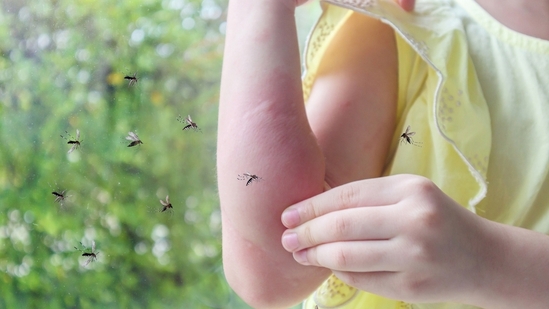
17 April 2025 (Punjab Khabarnama Bureau):Summer season and occasional rain bring the scare of mosquito-borne illnesses. Dengue and malaria become more rampant during this time of the year as the weather becomes more favourable for faster breeding and spread of the diseases. While malaria can have significant health effects on everyone, it can affect children more and lead to long-term issues.
In an interview with HT Lifestyle, Dr Shreya Dubey, consultant, neonatology and paediatrics, CK Birla Hospital Gurugram said, “Malaria remains a significant threat to pediatric health, particularly in tropical and subtropical regions like India. Children under the age of five are among the most vulnerable, accounting for a large proportion of malaria-related deaths globally. The disease not only poses an acute danger but also has long-term implications on a child’s growth and development.”
Deteriorating immune system:
Young children have underdeveloped immune systems, making it harder for their bodies to fight off the malaria parasite. When infected, they can deteriorate quickly, developing complications like severe anemia, cerebral malaria, and even organ failure. Unlike adults, children may not always present with typical symptoms, which can delay diagnosis and treatment.
Confusing symptoms:
In children, malaria may manifest as high-grade fever with chills, vomiting, poor feeding, irritability, drowsiness, or seizures. Some cases can present subtly, mimicking flu or gastrointestinal infections, which increases the risk of delayed intervention.
Impaired cognitive development:
Malaria in children often leads to frequent school absences, poor appetite, and fatigue contributing to malnutrition and impaired cognitive development over time. Repeated episodes in endemic areas can result in chronic anemia and stunted growth.
Prevention tips to follow:
- Use insecticide treated mosquito nets.
- Wear protective clothing.
- Avoid outdoor exposure at dusk and dawn.
- Ensure there is no stagnant water around homes.
- In high-risk regions, prophylactic treatment may also be recommended during transmission seasons.
“Malaria is not just a mosquito-borne illness, it is a pediatric emergency when it strikes a child,” highlighted the doctor.
Summary: Malaria poses a serious risk to children, affecting their immunity, development, and survival, making prevention vital during peak seasons.