

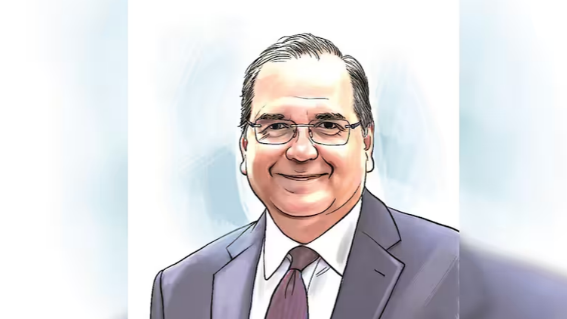
3 November 2026 Punjab Khabarnama Bureau : Senior advocate Darius Khambata has decided not to seek reappointment as a trustee of the Sir Dorabji Tata Trust (SDTT) and the Sir Ratan Tata Trust (SRTT), adding another significant development to the ongoing differences within the Tata Group. In his exit letter, Khambata described September 17, 2026, as a “day of infamy” and criticised the decisions taken at a Tata Sons board meeting on that date.
Khambata’s terms at both trusts are due to end in November. In a letter addressed to Tata Trusts chairman Noel Tata and chief executive Siddharth Sharma, he explained his decision and raised concerns about governance, trustee independence and the proposed listing of Tata Sons.
The September 17 meeting had approved a third term for Tata Sons chairman N Chandrasekaran and discussed steps towards complying with applicable Reserve Bank of India (RBI) requirements, including the possibility of a public listing. The decisions exposed differences between Tata Trusts representatives on the Tata Sons board.
Khambata Criticises September 17 Developments
In his letter, Khambata said the events of September 17 had damaged Tata Sons’ reputation and affected the image of corporate India. He questioned whether the board would have acted in the same way if the late Ratan Tata had been alive.
Khambata also referred to the disagreement between Noel Tata and other board representatives over Chandrasekaran’s reappointment. Noel opposed the proposal, while Venu Srinivasan supported it. The board ultimately approved Chandrasekaran’s continuation for another five-year term.
Khambata argued that nominee directors appointed by charitable trusts have a responsibility to protect the interests of those trusts. He said a director’s obligations to the company should not be used as a reason to act against the interests of the institution that nominated them.
He maintained that all trustees have equal fiduciary responsibilities, regardless of whether they also serve as nominee directors on the Tata Sons board.
Disagreement Over Tata Sons Listing
The proposed listing of Tata Sons has been one of the central issues behind the differences within Tata Trusts. The trusts collectively hold approximately 66 per cent of Tata Sons and have argued that the company’s ownership structure is closely connected to its charitable model.
Khambata reiterated his opposition to a public listing. He said he had first raised concerns about the possibility at a May 28, 2025, meeting, describing it as an existential issue for the trusts. He also said he had drafted the resolution passed unanimously by the Sir Dorabji Tata Trust and Sir Ratan Tata Trust on July 28, 2025.
According to Khambata, the resolution opposed listing while supporting a route to provide liquidity to the Shapoorji Pallonji Group, a minority shareholder in Tata Sons, through the sale of some or all of its shares.
He argued that the Tata model represents a combination of industrial ownership and philanthropy, and warned that separating Tata Sons from the trusts could weaken that structure.
Khambata also said that the public had no legal or moral right to insist that a privately held company list its shares simply to make fundraising easier.
RBI Decision Adds to the Dispute
The regulatory question has added another layer to the disagreement. In September 2026, the RBI rejected Tata Sons’ application to surrender its registration as a Core Investment Company (CIC).
Tata Sons is classified as an upper-layer non-banking financial company, a category subject to enhanced regulatory requirements, including a listing requirement. The rejection of its application intensified discussions about how the company could meet regulatory obligations while retaining its privately held structure.
Tata Trusts has explored alternatives, including restructuring Tata Sons. However, the proposals have also generated disagreements among trustees over the legal, regulatory and governance implications.
Khambata expressed dissatisfaction with the engagement with the RBI, saying it had not meaningfully demonstrated how Tata Sons could adopt transparency and reporting standards comparable to those of a listed company without proceeding with a public listing.
Khambata Says Independence Guided His Decision
Khambata said he had accepted the trusteeship at the invitation of the late Ratan Tata and had tried to discharge his responsibilities according to his conscience. He also acknowledged that his views had sometimes differed from those of Noel Tata.
He said Noel had accepted those differences democratically, describing that approach as consistent with the traditional Tata way of working.
Khambata further explained that seeking reappointment would require the agreement of the other trustees. He said he was unwilling to seek such consent because he believed doing so could compromise his independence.
His decision comes amid wider changes within Tata Trusts. Former Citibank India head Pramit Jhaveri had also earlier chosen not to seek reappointment as a trustee of the Sir Dorabji Tata Trust.
What Happens Next?
Khambata’s departure is expected to add to the governance challenges facing Tata Trusts as disagreements over the future of Tata Sons continue. The trusts will have to address questions surrounding their board composition, nominee directors and the company’s regulatory position.
The dispute also comes ahead of further discussions within Tata Sons about its leadership and long-term ownership structure. Khambata has left the matter to history, questioning whether those responsible for preserving the Tata model can rise above individual interests and protect the institution’s founding values.
His exit does not resolve the disagreement over listing or the responsibilities of nominee directors. Those questions are likely to remain central to the relationship between Tata Trusts and Tata Sons.