

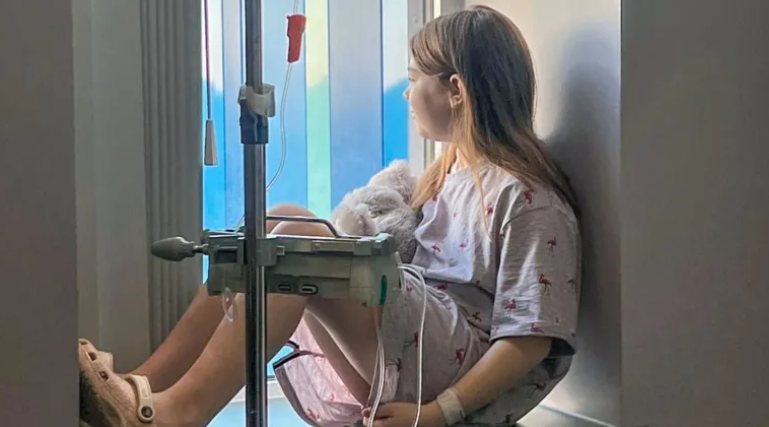
12 October 2026 Punjab Khabarnama Bureau : Childhood cancer symptoms can sometimes be difficult to recognise because they may resemble common childhood illnesses. Signs such as persistent fever, unexplained tiredness, frequent infections, unusual bruising or ongoing pain may initially appear harmless. However, when these symptoms persist, recur frequently or worsen over time, parents and caregivers should seek medical advice.
Early recognition of childhood cancer symptoms is important because timely diagnosis can help children receive appropriate treatment. Although childhood cancer is relatively uncommon compared with cancer in adults, understanding its possible warning signs can help families make informed decisions about when to consult a healthcare professional.
Why Childhood Cancer Symptoms Can Be Missed
Children frequently experience minor illnesses, including viral infections, stomach problems and unexplained aches. Many of these conditions improve without specific treatment, making it understandable that parents may initially attribute unusual symptoms to everyday childhood health issues.
However, some childhood cancers can produce symptoms that overlap with those of common illnesses. Early signs may develop gradually, and younger children may struggle to explain what they are experiencing.
For example, a child might complain of persistent leg pain, become unusually tired during normal activities or appear pale without an obvious explanation. These changes do not necessarily indicate cancer, but persistent or unexplained symptoms should not be ignored.
Parents should pay attention to changes in their child’s usual behaviour, energy levels, appetite and physical condition. Keeping track of symptoms and discussing them with a doctor can help determine whether further examination is necessary.
Common Warning Signs Parents Should Look Out For
Childhood cancer can affect different parts of the body, so symptoms vary depending on the type and location of the disease. Nevertheless, several warning signs deserve medical attention when they persist or occur without a clear explanation.
1. Persistent or recurring fever
A fever that continues, repeatedly returns or occurs alongside other unexplained symptoms may require medical assessment. Most childhood fevers result from infections, but persistent fever should be evaluated by a healthcare professional.
2. Unusual bruising or bleeding
Bruises that appear without a known injury, frequent nosebleeds, bleeding gums or tiny red or purple spots on the skin can sometimes indicate a problem with blood cells or clotting. These symptoms have many possible causes, but unexplained or recurring bleeding should be investigated.
3. Persistent tiredness and paleness
Children who appear unusually weak, tired or pale may be experiencing anaemia or another health problem. If fatigue affects everyday activities or continues despite adequate rest, parents should arrange a medical assessment.
4. Unexplained lumps or swelling
A new lump, persistent swelling or an enlarged lymph node should be checked if it does not improve, grows or is accompanied by other symptoms. Swelling in the abdomen, neck or other parts of the body can have several causes and should be assessed appropriately.
5. Persistent bone or joint pain
Growing children commonly experience aches, but pain that repeatedly wakes a child at night, persists, becomes more severe or causes limping deserves attention. Unexplained bone pain should not automatically be attributed to growth.
6. Frequent infections
Repeated, severe or unusually prolonged infections may require further investigation, particularly when accompanied by fever, bruising, fatigue or paleness.
7. Unexplained weight loss or reduced appetite
A noticeable loss of weight, persistent loss of appetite or failure to grow as expected can be associated with many medical conditions. If these changes continue without an obvious explanation, parents should consult a doctor.
8. Persistent headaches or vomiting
Repeated headaches, especially those that are worse in the morning or accompanied by vomiting, balance difficulties, vision changes or unusual behaviour, require prompt medical evaluation.
9. Changes in vision or eye appearance
New vision problems, unusual eye movements or a white reflection in the pupil, particularly visible in photographs, should be assessed promptly by an eye specialist or doctor.
10. Persistent abdominal swelling or pain
Ongoing abdominal discomfort, a visibly swollen abdomen or a firm lump should be medically examined, especially if the child also experiences weight loss, appetite changes or persistent fatigue.
When Should Parents Seek Medical Help?
Parents should contact a healthcare professional when symptoms persist, recur frequently, worsen over time or cannot be explained by an obvious cause. There is no single duration that applies to every symptom, so the child’s overall condition and the severity of the problem are important.
Seek urgent medical care for severe or rapidly worsening symptoms, including significant difficulty breathing, uncontrolled bleeding, a seizure, sudden weakness or a severe headache accompanied by neurological changes.
It is important to remember that these warning signs are not proof of cancer. Childhood infections and many other common conditions can cause similar symptoms. A medical examination is necessary to determine the underlying cause.
How Is Childhood Cancer Diagnosed?
If a doctor suspects a serious underlying condition, the next steps will depend on the child’s symptoms and medical history. Assessment may include a physical examination, blood tests, imaging investigations or referral to a paediatric specialist.
In some cases, additional tests, including a biopsy or bone marrow examination, may be necessary to establish a diagnosis. Not every child with warning signs will need all these investigations.
There is no single screening test that detects every type of childhood cancer in otherwise healthy children. Consequently, recognising persistent symptoms and obtaining appropriate medical assessment remain important.
Raising Awareness Can Help Protect Children
Childhood cancer awareness should focus on recognising unusual changes without creating unnecessary fear. Parents, teachers and caregivers can play an important role by noticing persistent symptoms, communicating concerns clearly and helping children access medical care.
Maintaining a simple record of recurring fever, unexplained bruises, pain, appetite changes or other unusual symptoms can help doctors understand how the child’s condition has developed.
Most importantly, families should avoid self-diagnosing or delaying medical attention when something seems persistently wrong. Early medical evaluation does not guarantee a particular outcome, but it can help identify the cause of symptoms and ensure that children receive appropriate care as quickly as possible.
The key message for parents is simple: most childhood symptoms are not caused by cancer, but persistent, unexplained or worsening changes in a child’s health deserve attention.