

28 September 2026 Punjab Khabarnama Bureau : Global oil prices moved higher on Monday as US-Iran peace efforts appeared to stall, reviving concerns over potential disruptions to crude supplies from the Middle East.
Brent crude futures rose more than 1%, reaching around $105.64 a barrel, while US West Texas Intermediate (WTI) crude climbed to about $93.11 a barrel in early trading.
Trump Rejects Iran’s Peace Proposal
The latest rise in oil prices came after US President Donald Trump rejected an Iranian proposal aimed at ending the fighting and reopening the Strait of Hormuz, a critical global energy shipping route.
Iran had reportedly conveyed its proposal through Qatari mediators during the UN General Assembly. Trump said he rejected the offer, although he also indicated that further negotiations could take place this week.
Strait of Hormuz Remains Key Risk
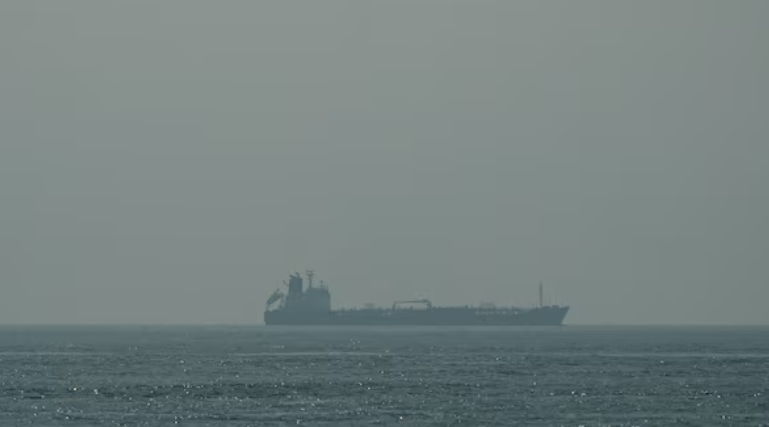
The Strait of Hormuz remains at the centre of concerns over global oil supplies.
The waterway normally handles a significant share of global energy shipments, and the conflict has sharply reduced shipping activity. Any further disruption could put additional pressure on crude prices and fuel markets worldwide.
Middle East Oil Exports Recover
Despite the geopolitical tensions, crude exports from major Middle Eastern producers have begun recovering.
Preliminary Kpler data showed exports from key producers reached about 12.8 million barrels per day in September, the highest level since the war began in February. Saudi Arabia and the UAE have increased shipments, providing some relief to global supply concerns.
However, the recovery has not completely removed concerns about supply security because attacks and uncertainty around shipping routes continue.
Houthi Attacks Add to Supply Concerns
The conflict has also widened beyond direct US-Iran military exchanges.
Iran-backed Houthi forces have continued attacks affecting Saudi Arabia, raising concerns that regional oil infrastructure and export routes could face additional disruptions.
Analysts cited by Reuters said geopolitical risks remain elevated while attacks by Iran and the Houthis continue to threaten regional supply flows.
Oil Markets Remain Highly Volatile
Oil prices have moved sharply in response to developments in the conflict.
On Friday, Brent crude had fallen about 2.1% to $104.32 a barrel, while WTI declined about 2.3% to $92.41, as traders became more optimistic about a possible truce. The latest rebound shows how quickly prices are responding to changes in the diplomatic outlook.
Impact on India
Higher crude prices could create additional pressure for India, which imports a large share of its crude oil requirements.
A prolonged rise in international oil prices can increase import costs and put pressure on the country’s trade balance, inflation and fuel-related expenses. Indian stocks were also facing a cautious start on Monday as higher oil prices added to market concerns.
Markets Watch for Further Talks
Despite the current stalemate, Trump has indicated that negotiations with Iran could resume.
Iranian officials have also maintained that diplomacy remains the route toward resolving the conflict, although major differences remain between the two sides over the terms of any agreement and the future of the Strait of Hormuz.
What Happens Next
The direction of crude prices is likely to remain closely tied to developments around the US-Iran negotiations, attacks in the region and the flow of vessels through the Strait of Hormuz.
A credible ceasefire or agreement could ease supply fears and put downward pressure on prices, while renewed military escalation could increase concerns over global energy supplies.