

29 july 2026 Punjab Khabarnama Bureau : A new study has found that India’s dengue burden is becoming increasingly complex, with multiple dengue virus strains circulating simultaneously across different parts of the country. Researchers say the co-circulation of several serotypes could make outbreaks more difficult to predict and manage.
The findings highlight the need for stronger disease surveillance, improved mosquito control measures and wider vaccination coverage where appropriate.
Multiple Dengue Serotypes Detected
Dengue is caused by four closely related virus serotypes—DENV-1, DENV-2, DENV-3 and DENV-4. According to the study, several of these strains are now circulating together in many regions of India.
This increases the likelihood of people being infected with different serotypes over time.
Why It Matters
Doctors warn that while a first dengue infection is often mild, a second infection with a different serotype can increase the risk of severe dengue in some individuals due to a stronger immune response.
The circulation of multiple strains may therefore complicate disease control and clinical management.
Challenges for Public Health
Researchers say the presence of multiple virus strains underscores the importance of:
- Continuous genomic surveillance.
- Early detection of outbreaks.
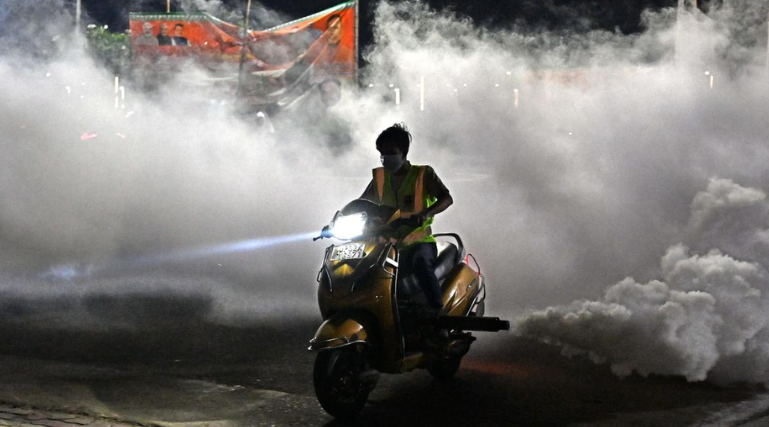
- Effective mosquito control programmes.
- Public awareness on preventing mosquito breeding.
- Strengthening vaccination and healthcare preparedness.
Growing Dengue Burden in India
India reports millions of suspected dengue infections each year, with cases typically rising during and after the monsoon season.
Rapid urbanisation, climate change and expanding mosquito habitats are contributing to the spread of the disease.
Need for Vigilance
Experts emphasise that preventing mosquito bites, eliminating stagnant water and seeking timely medical care for symptoms such as persistent fever, severe headache, body pain or bleeding remain key to reducing the impact of dengue.
The study calls for coordinated efforts between governments, healthcare providers and researchers to better understand the changing pattern of dengue transmission.