

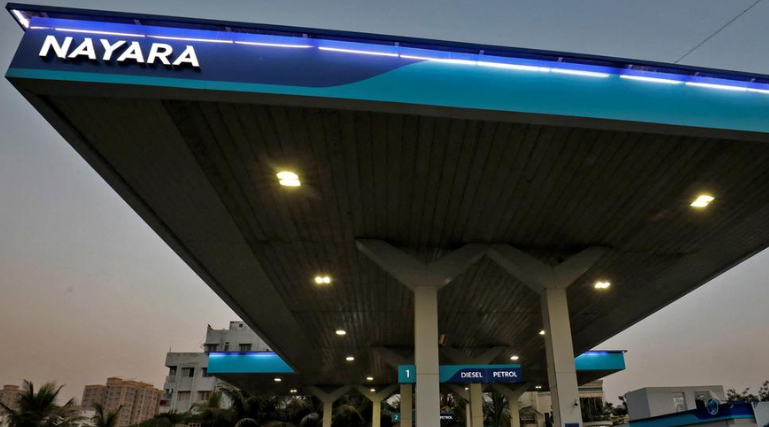
1 july 2026 Punjab Khabarnama Bureau : Nayara Energy, India’s largest private fuel retailer, has reduced the retail prices of petrol by ₹5 per litre and diesel by ₹3 per litre across its nationwide network of fuel stations, offering significant relief to consumers as international crude oil prices continue to soften. The move marks the first reduction in the company’s fuel prices in more than two years and comes amid easing geopolitical tensions in West Asia that have pushed global oil prices lower.
The revised prices came into effect across Nayara Energy’s network of more than 7,000 fuel retail outlets spread across the country. The company said the decision reflects the decline in global crude oil prices and improving market conditions, enabling it to pass on the benefits to consumers.
The latest reduction reverses the price increase introduced by Nayara Energy earlier this year, when the company had raised petrol prices by ₹5 per litre and diesel prices by ₹3 per litre amid a sharp surge in international crude oil prices caused by supply disruptions and geopolitical uncertainty in the Middle East. With oil markets stabilising, the company has now rolled back those increases.
Global crude prices have declined in recent weeks following reduced tensions in West Asia and improved shipping conditions through key energy routes, including the Strait of Hormuz. The easing of supply concerns has led to lower benchmark crude prices, allowing refiners and fuel retailers greater flexibility in adjusting retail fuel prices.
Nayara Energy’s announcement is expected to benefit millions of motorists, commercial transport operators, and businesses that rely heavily on fuel. Lower petrol and diesel prices could also help reduce transportation costs, potentially easing inflationary pressures on goods and services if the savings are passed through the supply chain.
The price cut applies only to Nayara Energy’s retail outlets. State-owned oil marketing companies—including Indian Oil Corporation (IOC), Bharat Petroleum Corporation Limited (BPCL), and Hindustan Petroleum Corporation Limited (HPCL)—have not announced any changes to their retail fuel prices and continue to maintain existing rates across the country.
Industry experts believe Nayara’s move could increase competitive pressure within India’s fuel retail market. Although public-sector oil companies dominate fuel sales, private retailers have steadily expanded their presence in recent years. Competitive pricing strategies could encourage more consumers to choose private fuel stations, particularly in urban and highway locations.
Analysts also note that international oil prices remain the primary driver of domestic fuel pricing for private retailers. While government-owned companies often consider broader policy and market stability factors before revising prices, private firms generally respond more quickly to changes in global crude markets.
The reduction comes at a time when energy markets have become more stable after months of volatility. Earlier this year, fears of supply disruptions pushed oil prices sharply higher, prompting refiners and retailers to increase fuel prices. However, improved geopolitical conditions and expectations of adequate global oil supplies have since eased pressure on crude markets.
Lower fuel prices are expected to provide some relief to consumers already dealing with elevated household expenses. Commercial vehicle operators, logistics firms, taxi services, and small businesses that depend on diesel-powered transport are also likely to benefit from reduced operating costs.
Economists say cheaper fuel could have a broader positive impact on the economy by lowering transportation expenses and reducing input costs for several industries. If sustained, softer fuel prices may contribute to moderating inflation while supporting consumer spending and business activity.
Meanwhile, the central government has also adjusted export duties on petroleum products in response to changing international oil prices, reflecting the broader shift in global energy market conditions. These policy changes are aimed at balancing domestic fuel availability with market dynamics as crude prices move lower.
Market observers will now watch whether other private fuel retailers or state-owned oil marketing companies follow Nayara Energy’s lead with similar price reductions. Any broader decline in retail fuel prices would provide additional relief to consumers and could positively influence inflation and transportation costs across the country.
For now, Nayara Energy’s decision represents one of the most significant fuel price reductions announced by a private retailer in recent years. As international crude oil markets continue to stabilise, consumers and businesses alike will be hoping that the trend of lower energy prices continues in the months ahead.