

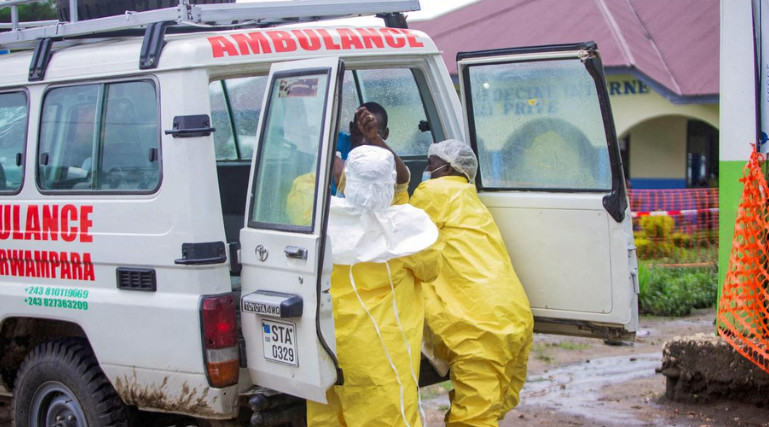
1 july 2026 Punjab Khabarnama Bureau : Health authorities in the Democratic Republic of Congo (DRC) have announced that the number of confirmed Ebola cases in the country has risen to 1,333, underscoring the continuing challenge of containing one of the world’s deadliest infectious diseases.
According to the Congolese Ministry of Health, surveillance teams are closely monitoring affected regions while working alongside international health organisations to strengthen disease control measures. Officials said the increase in confirmed cases reflects ongoing testing and case investigations in areas impacted by the outbreak.
The latest figures come as healthcare workers continue intensive efforts to identify infected individuals, trace their contacts, isolate confirmed patients, and prevent further transmission of the Ebola virus. Authorities have also expanded laboratory testing and community surveillance to ensure that new infections are detected as early as possible.
Ebola is a severe viral disease that spreads through direct contact with the blood or bodily fluids of infected individuals or contaminated surfaces. Symptoms typically include fever, fatigue, muscle pain, headache, sore throat, vomiting, diarrhoea, and, in severe cases, internal and external bleeding. Without timely medical treatment, the disease can be fatal.
The Congolese government has urged communities to cooperate with health workers by reporting suspected cases promptly and following public health guidance. Officials stress that early diagnosis and supportive medical care significantly improve survival rates and help reduce further spread.
Medical teams have continued to establish treatment centres in affected provinces, where patients receive specialised care, hydration, and supportive therapies. Vaccination campaigns targeting frontline healthcare workers and individuals who have come into contact with confirmed patients are also being expanded as part of the country’s containment strategy.
The World Health Organization (WHO) and other international partners are supporting the response by providing technical expertise, medical supplies, laboratory equipment, and trained personnel. International agencies are also assisting with epidemiological investigations and public awareness campaigns aimed at educating communities about Ebola prevention.
One of the biggest challenges facing health authorities remains contact tracing. Every confirmed Ebola patient may have interacted with dozens of people before diagnosis, making it essential for health teams to quickly identify, monitor, and test all potential contacts during the virus’s incubation period.
Health officials have also highlighted the importance of safe burial practices. Traditional funeral ceremonies involving direct contact with the deceased can significantly increase the risk of transmission if proper protective measures are not followed. Community engagement teams continue working with local leaders to promote culturally appropriate but safe burial procedures.
The outbreak has placed additional pressure on Congo’s healthcare system, which already faces shortages of medical infrastructure, trained personnel, and essential equipment in several remote regions. Difficult terrain, limited transportation networks, and occasional security challenges have further complicated response efforts in some affected areas.
Despite these obstacles, authorities say surveillance systems have improved considerably compared with previous Ebola outbreaks. Advances in rapid diagnostic testing, vaccination, and emergency response coordination have enabled faster detection and treatment of new cases.
Public health experts note that Ebola outbreaks require sustained vigilance even after case numbers begin to decline. The virus can re-emerge if surveillance weakens or if isolated chains of transmission go undetected. Continuous monitoring, community cooperation, and rapid medical intervention remain critical to preventing wider spread.
Neighbouring countries are also maintaining heightened surveillance at border crossings to detect any potential cross-border transmission. Regional health authorities are coordinating closely with the DRC to share information and strengthen preparedness measures.
The Congolese government has appealed for continued international support to ensure that healthcare workers have adequate resources to manage the outbreak. Officials say additional funding, medical supplies, vaccines, and laboratory capacity will help accelerate containment efforts and protect vulnerable communities.
Health experts emphasise that while Ebola remains a serious public health threat, modern vaccines, improved diagnostics, and better outbreak management strategies have significantly strengthened the global response compared with earlier epidemics. Prompt reporting of symptoms, effective isolation of patients, and rigorous contact tracing remain the most effective tools for controlling transmission.
As response teams continue their work, authorities are urging the public to remain alert, seek medical attention immediately if symptoms develop, and follow official health advice. With sustained national and international cooperation, health officials hope to bring the outbreak under control and prevent additional infections in the months ahead.