

11 May 2026 Punjab Khabarnama Bureau : Global financial markets turned cautious after Donald Trump rejected Iran’s latest response to a proposed U.S. peace initiative, intensifying fears that tensions in the Middle East could continue disrupting global energy supplies and economic stability. Oil prices surged sharply following Trump’s remarks, while investors closely monitored developments surrounding the ongoing conflict and the strategic Strait of Hormuz.
Trump Rejects Iran’s Counterproposal
According to reports, Iran responded to a U.S.-backed proposal aimed at reducing hostilities and restoring regional stability. Tehran’s response reportedly focused on:
- Ending conflict across multiple fronts
- Compensation for war-related damages
- Sanctions relief
- Recognition of Iranian sovereignty over the Strait of Hormuz
However, Trump quickly dismissed the proposal, calling the Iranian response “totally unacceptable.”
The rejection has weakened hopes for a near-term diplomatic breakthrough after weeks of conflict and ceasefire uncertainty in the region.
Oil Prices Jump Again
Following Trump’s comments, global crude oil prices climbed sharply amid fears that tensions could further disrupt shipping and energy exports from the Gulf region.
The market reaction was largely driven by concerns surrounding the continued disruption in the Strait of Hormuz, one of the world’s most important oil transit chokepoints.
Analysts estimate that roughly one-fifth of global oil shipments normally pass through the strait, making any disruption there highly sensitive for global energy markets.
Markets React to Geopolitical Uncertainty
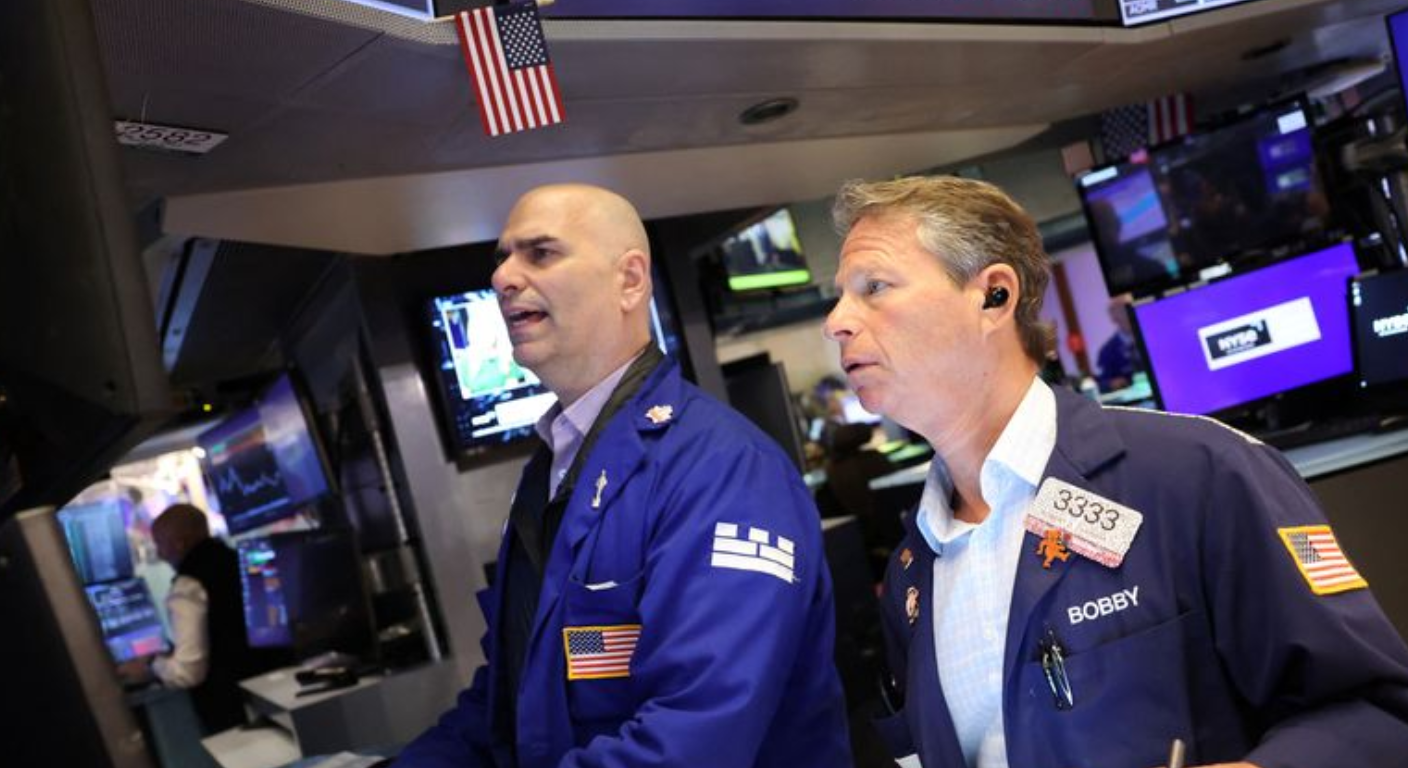
U.S. stock futures moved lower as investors reassessed geopolitical risks and inflation concerns linked to rising energy prices.
Financial markets remain particularly sensitive to:
- Oil price volatility
- Supply chain disruptions
- Inflationary pressure
- Central bank policy responses
- Regional military escalation
Although technology stocks and AI-driven optimism continue supporting some market segments, geopolitical tensions have added fresh uncertainty to investor sentiment.
Strait of Hormuz Remains Critical
The ongoing situation surrounding the Strait of Hormuz remains central to market fears.
Shipping disruptions and security threats in the region have already affected global energy logistics and tanker movement. Several reports suggest shipping activity remains heavily restricted despite earlier ceasefire discussions.
Energy analysts warn that prolonged instability could:
- Raise fuel prices globally
- Increase shipping costs
- Disrupt industrial production
- Worsen inflation pressures worldwide
Diplomatic Efforts Continue
Despite Trump’s rejection of Iran’s latest response, diplomatic channels remain active.
Reports indicate that regional mediators including Gulf nations and international partners continue attempting to facilitate dialogue between Washington and Tehran.
Trump is also reportedly expected to discuss broader geopolitical issues with Chinese leadership during an upcoming visit to Beijing, including Middle East stability and energy market concerns.
Inflation Fears Return
Rising oil prices have renewed concerns over global inflation, especially at a time when many economies are still recovering from previous periods of high energy costs.
Higher crude prices can impact:
- Petrol and diesel prices
- Transportation costs
- Food inflation
- Manufacturing expenses
- Consumer spending
Economists warn that prolonged energy shocks could complicate monetary policy decisions for central banks worldwide.
Wall Street Watching AI and Oil Together
Interestingly, markets are currently balancing two major themes simultaneously:
- Continued enthusiasm surrounding artificial intelligence and technology investment
- Escalating geopolitical risk linked to the Middle East conflict
Analysts say AI-driven market optimism has recently supported U.S. equities, but geopolitical uncertainty remains a powerful counterforce.
Global Political Stakes Rising
The evolving standoff between the U.S. and Iran carries significant geopolitical implications beyond energy markets.
Countries across Europe, Asia, and the Middle East are monitoring developments carefully because prolonged instability could affect:
- Trade routes
- Regional security
- Commodity prices
- Financial markets
- Diplomatic alliances
Experts Warn of Continued Volatility
Market strategists expect continued volatility until clearer signs emerge regarding:
- Peace negotiations
- Shipping access in Hormuz
- Military escalation risks
- Oil supply conditions
Experts say investor sentiment may remain highly reactive to political statements, military developments, and diplomatic announcements in the coming weeks.
Conclusion
Donald Trump’s rejection of Iran’s latest peace response has reignited concerns about prolonged instability in the Middle East, sending oil prices higher and unsettling global markets. With the Strait of Hormuz still central to global energy security, investors and governments worldwide are closely watching whether diplomacy can prevent further escalation.
Summary:
Oil prices surged and markets turned volatile after Donald Trump rejected Iran’s response to a U.S. peace proposal, increasing fears of prolonged Middle East tensions and energy supply disruptions.