

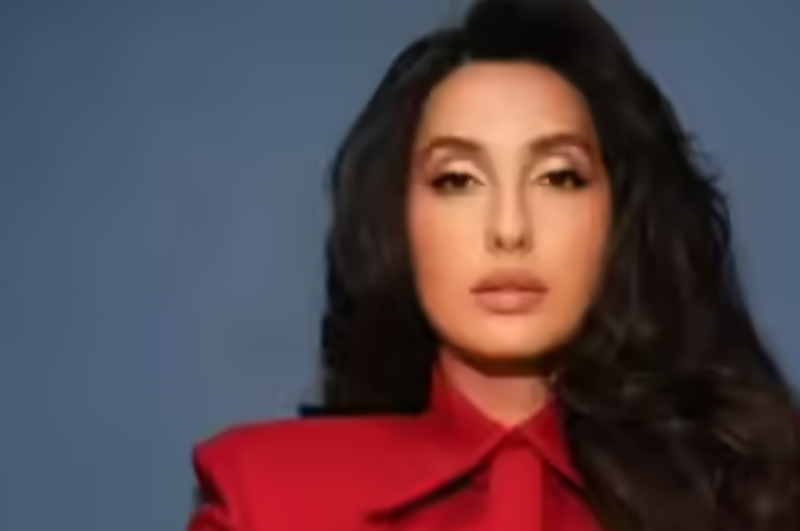
7 May 2026 Punjab Khabarnama Bureau : Nora Fatehi appeared before the National Commission for Women (NCW) in connection with the controversy surrounding the song Sarke Chunar, submitting a written apology amid mounting criticism and public debate.
The development comes shortly after veteran actor Sanjay Dutt was also linked to the controversy, which has sparked discussions over representation, cultural sensitivity, and the portrayal of women in entertainment content.
Background of the Controversy
The controversy erupted after the release of Sarke Chunar, which drew objections from certain groups and activists who alleged that parts of the song and visuals were objectionable and insensitive toward women.
Complaints were reportedly filed before the National Commission for Women, prompting the body to seek explanations from individuals associated with the project.
The issue quickly gained traction online, with critics demanding accountability from the actors and creators involved.
Nora Fatehi Appears Before NCW
According to reports, Nora Fatehi appeared before the commission and submitted a written apology regarding the matter.
Sources indicate that the actor clarified her position and expressed regret if the content had unintentionally hurt sentiments or caused discomfort among viewers.
The written apology is believed to have been part of efforts to resolve the controversy and cooperate with the commission’s proceedings.
Sanjay Dutt Also Faced Scrutiny
Earlier, Sanjay Dutt had also faced questions related to the song and its presentation. The controversy intensified due to the involvement of high-profile film personalities, attracting significant media attention.
While reactions to the song remained divided, the incident reignited larger conversations about responsibility in the entertainment industry.
Debate Over Creative Freedom
The controversy surrounding Sarke Chunar has once again highlighted the ongoing debate between artistic freedom and social responsibility.
Supporters of the entertainment industry argue that creative expression should not be excessively restricted and that songs and films are often intended for entertainment purposes rather than social messaging.
However, critics insist that celebrities and filmmakers hold significant influence and must remain sensitive toward public concerns, especially regarding gender representation.
NCW’s Role in the Matter
The National Commission for Women has increasingly intervened in controversies involving portrayal of women in media and entertainment.
The commission often seeks explanations or corrective measures when complaints suggest content may be offensive, derogatory, or harmful toward women.
In this case, the NCW’s involvement brought additional public attention to the issue and increased pressure on those associated with the song.
Public Reactions Mixed
Public reactions to Nora Fatehi’s appearance before the commission and her apology have been mixed.
Some social media users appreciated her decision to cooperate and issue a written apology, viewing it as a responsible response aimed at easing tensions.
Others argued that controversies involving entertainment content are increasingly becoming politicized or over-scrutinized.
Meanwhile, supporters of the complaints maintained that public figures should be held accountable for content that may reinforce problematic stereotypes.
Nora Fatehi’s Career and Popularity
Nora Fatehi has established herself as one of the most recognizable performers in Indian entertainment, particularly known for dance numbers and music videos.
Her popularity across films, reality shows, and digital platforms has made her a major public figure, meaning controversies involving her often attract widespread attention.
Despite criticism surrounding the song, many fans continued expressing support for the actor online.
Entertainment Industry Under Greater Scrutiny
The incident reflects a broader trend in which films, songs, advertisements, and online content are increasingly examined through social and cultural lenses.
Public discourse around gender representation, consent, and sensitivity has intensified in recent years, leading creators and performers to face greater scrutiny than before.
Industry insiders note that controversies can significantly affect promotional campaigns and public perception, even if legal consequences remain limited.
Possible Resolution Ahead
Observers believe that the submission of a written apology may help de-escalate the controversy. However, it remains unclear whether the NCW will issue further recommendations or seek additional clarifications from those involved.
The commission could also encourage stronger self-regulation measures within the entertainment industry regarding portrayal standards.
Conclusion
Nora Fatehi’s appearance before the National Commission for Women and her written apology in the Sarke Chunar controversy have added another chapter to the ongoing debate over creative freedom and accountability in entertainment.
As discussions continue, the case highlights the growing public and institutional scrutiny surrounding media content and the responsibilities of celebrities in shaping cultural narratives.
Summary:
Nora Fatehi appeared before the National Commission for Women in the ‘Sarke Chunar’ controversy, submitted a written apology, and reignited debates over creative freedom, celebrity accountability, and portrayal of women.