

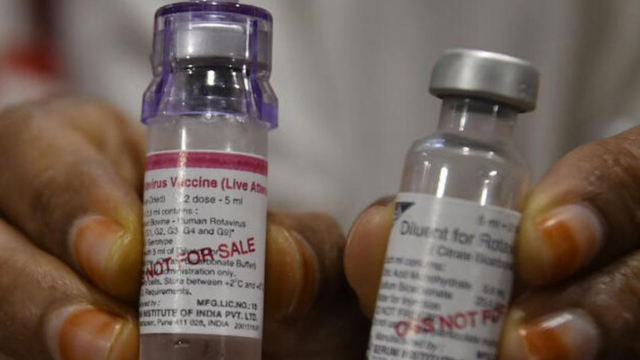
October 18, 2025 (Punjab Khabarnama Bureau) : A new international study has reaffirmed the effectiveness of the rotavirus vaccine in preventing severe gastroenteritis among children, offering renewed confidence in one of the world’s most important childhood immunizations. Researchers found that vaccinated children were significantly less likely to suffer from severe diarrheal disease, a leading cause of hospitalization and death in infants and toddlers worldwide.
The study, published in the journal The Lancet Infectious Diseases, analyzed data from more than 20,000 children across multiple countries, including India, Brazil, South Africa, and the United States. The findings underscore how the rotavirus vaccine continues to play a critical role in reducing the global burden of diarrheal disease—a condition that once caused over half a million child deaths annually before widespread vaccination began.
Key Findings
The study found that the rotavirus vaccine reduced the risk of severe gastroenteritis by up to 85% in high-income countries and by 60–70% in low- and middle-income nations, where disease transmission is more intense.
According to Dr. Anita Patel, the study’s lead author and a pediatric infectious disease specialist, “Our findings reaffirm that rotavirus vaccination is a cornerstone of global child health. Even in settings with modest efficacy, it saves thousands of lives by preventing hospitalizations and severe dehydration.”
The vaccine’s protective effects were seen across different formulations, including Rotarix, RotaTeq, and Rotavac—the latter being developed and manufactured in India.
Understanding Rotavirus and Gastroenteritis
Rotavirus is a highly contagious virus that causes inflammation of the stomach and intestines, leading to severe diarrhea, vomiting, fever, and dehydration. It primarily affects infants and young children under five years old.
Before the introduction of vaccines in the early 2000s, rotavirus infections were nearly universal among children. The World Health Organization (WHO) estimated that the virus caused over 500,000 child deaths each year, mostly in developing countries with limited access to healthcare and rehydration therapy.
Since the rollout of vaccination programs, rotavirus-related hospitalizations have dropped by more than 80% in several nations, including India, where the vaccine was introduced into the national immunization schedule in 2016.
Global Impact and Regional Differences
While the vaccine’s impact is undeniable, researchers note that vaccine effectiveness can vary by region due to differences in nutrition, co-existing infections, and environmental factors.
In sub-Saharan Africa and South Asia, for example, rotavirus transmission remains high despite strong vaccine coverage. Still, experts emphasize that even moderate protection in these regions prevents countless severe cases and deaths.
Dr. Ramesh Kumar, a pediatrician at the All India Institute of Medical Sciences (AIIMS), explained, “No vaccine works perfectly, but the rotavirus vaccine provides a safety net that saves lives. Children who get vaccinated experience milder illness and recover faster, which makes an enormous difference in low-resource settings.”
Why the Study Matters
The new findings come at a time when vaccine hesitancy and misinformation have increased globally. Public health experts say studies like this are vital to restoring confidence in immunization programs.
The researchers also highlighted the herd immunity effect—showing that even unvaccinated children in communities with high vaccine uptake benefited from reduced transmission. In regions where over 80% of children received the vaccine, overall gastroenteritis rates dropped by nearly 40%.
Additionally, the study revealed that early vaccination—starting as soon as 6 weeks of age—offered the strongest protection during the first two years of life, when rotavirus infections are most dangerous.
Economic and Health Benefits
Beyond the clear health advantages, the study also documented significant economic benefits of vaccination. Countries implementing rotavirus immunization programs have reported substantial reductions in healthcare costs, including fewer hospital admissions and shorter treatment durations for diarrhea-related illnesses.
According to WHO, every dollar spent on rotavirus vaccination saves about $3 to $5 in medical and societal costs, making it one of the most cost-effective public health interventions in history.
Expert Opinions
Commenting on the study, Dr. Soumya Swaminathan, former Chief Scientist at the WHO, said, “Rotavirus vaccination is a success story of modern medicine. It demonstrates how targeted immunization can dramatically cut child mortality in both rich and poor nations. Continued investment and awareness are crucial to sustain these gains.”
Public health experts also urged parents not to delay routine childhood vaccines, emphasizing that immunity gaps can lead to resurgence of preventable diseases.
What Parents Should Know
Parents are encouraged to ensure their infants receive the full rotavirus vaccine course as part of national immunization programs. In India, for example, the Rotavac vaccine is given in three doses at 6, 10, and 14 weeks of age.
Common side effects are mild and temporary, including irritability or slight diarrhea, while serious side effects are extremely rare. Health officials stress that the benefits far outweigh the risks, especially in areas where diarrheal diseases remain a major threat.
The Road Ahead
Experts call for continued research to develop next-generation rotavirus vaccines that could provide longer-lasting protection and broader immunity. Efforts are also underway to strengthen cold chain systems and ensure vaccine accessibility in rural and low-income areas.
“Rotavirus may never be eradicated completely,” Dr. Patel noted, “but through vaccination, we can ensure it no longer poses a deadly threat to children.”
The study reaffirms that protecting children from preventable diseases remains one of the most powerful public health achievements—and the rotavirus vaccine is a shining example of that success.
Summary
A new global study confirms rotavirus vaccines effectively prevent severe gastroenteritis in children, cutting hospitalizations and deaths worldwide while emphasizing continued immunization to sustain these lifesaving benefits.