

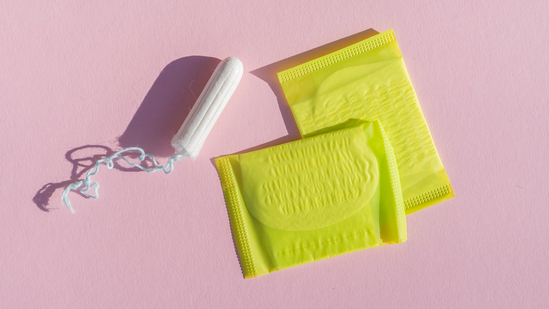
02 June 2025 (Punjab Khabarnama Bureau): The menstrual products we choose have a direct impact on our reproductive health. While comfort and convenience often guide our preferences, it’s crucial to understand which products are safe to use in order to maintain proper menstrual hygiene and prevent health risks.
In an interview with HT Lifestyle, Dr. Jalagam Kavya Rao, regional medical head, Oasis Fertility said, “The majority of menstrual products contain toxins that can irritate the vaginal area and can lead to serious conditions like pelvic inflammatory disease (PID), a known cause of infertility.”
Safe menstrual products:
Menstrual cups: Among the environmentally friendly and safe products are menstrual cups. The medical-grade silicone used to make these cups is hypoallergenic, reusable, and chemical-free. Before reusing it, it must be properly cleaned.
Cotton pads: Reusable cloth pads are made of natural fabrics such as organic cotton, hemp, bamboo, etc. They offer a breathable, chemical-free alternative to synthetic disposable pads, reducing the risk of irritation and infection.
Organic tampons: Just like reusable cloth pads, organic sanitary pads or cotton tampons are very friendly to your vaginal health as they don’t contain any toxins or chemicals, which cause irritation or vaginal infections.
Period underwear: Period underwear looks like regular underwear, but it has a multi-layer gusset designed for leak-proof absorbency. However, most of the period underwear has PFAS, a synthetic chemical group that disrupts your reproductive health. If you are someone who prefers period underwear, then it should be PFAS-free.
Unsafe menstrual products:
“Menstrual products that contain plastics, synthetic fragrances, or volatile organic compounds (VOCs) are unsafe for your reproductive health, as they can upset the vagina’s pH, lead to infections or irritation, and eventually throw off the balance of hormones,” the doctor explained.
Tips to stay safe:
• Prior to and following product changes, wash your hands.
• Change cups every 6 to 12 hours and tampons/pads every 4 to 8 hours.
• For less exposure, use low-absorbency unscented products.
• Discontinue the product if you have come across any irritation signs.
Summary: Doctor advises choosing toxin-free menstrual products like organic tampons and menstrual cups to protect reproductive health and prevent infections.