

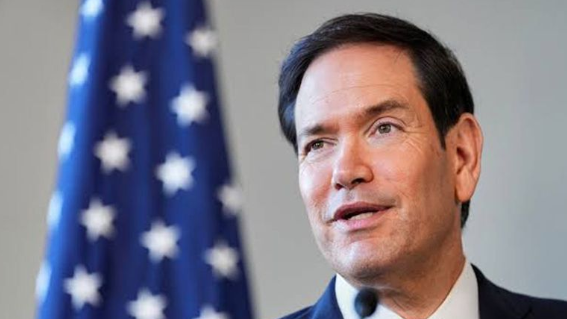
25 November 2026 Punjab Khabarnama Bureau : US Secretary of State Marco Rubio has condemned attacks by Iran-backed Houthi forces targeting Saudi Arabia’s civilian and energy infrastructure during a telephone conversation with Saudi Foreign Minister Prince Faisal bin Farhan Al Saud. The two leaders also discussed regional security, freedom of navigation through key waterways and ongoing conflicts in Sudan and Lebanon.
According to the US State Department, Rubio spoke with the Saudi foreign minister on Tuesday. During the conversation, he strongly criticised the Houthi attacks and discussed the importance of protecting civilian facilities and energy infrastructure in Saudi Arabia.
The call comes amid rising tensions in the Middle East, particularly following attacks on important Saudi facilities. The latest developments have increased concerns about regional stability, the safety of civilians and the potential impact on international trade and energy supplies.
Rubio Condemns Attacks on Saudi Infrastructure
The US State Department said Rubio condemned what it described as Iran-backed Houthi terrorist attacks on Saudi civilian and energy infrastructure.
The statement highlighted Washington’s concern over attacks targeting facilities that are important for civilian life and the country’s economy. Saudi Arabia has faced repeated threats involving missiles and drones attributed to Houthi forces in Yemen.
The latest diplomatic conversation reflects continued coordination between Washington and Riyadh over regional security. Both countries have emphasised the importance of preventing further attacks and maintaining stability across the Middle East.
The phone call also followed reports of an attack on a tower in Riyadh’s Financial Centre, which left 11 people injured, including two Indian nationals. Saudi authorities attributed the incident to the Houthi militia.
Freedom of Navigation in Hormuz and Bab al-Mandeb
One of the key issues discussed during the conversation was the importance of maintaining freedom of navigation through the Strait of Hormuz and the Bab al-Mandeb Strait.
Both waterways are strategically important for international shipping and global trade. The Strait of Hormuz connects the Persian Gulf with the Gulf of Oman, while the Bab al-Mandeb links the Red Sea with the Gulf of Aden.
Disruptions in either passage can affect commercial shipping, energy transportation and international supply chains. The two officials therefore underlined the need to ensure that vessels can continue to move safely through these important maritime routes.
The discussion reflects broader international concerns about maritime security as tensions involving Iran, Yemen and other regional actors continue.
Sudan Conflict Also Discussed
Rubio and Prince Faisal also discussed efforts to end the ongoing conflict in Sudan. The US Secretary of State emphasised the need for a humanitarian truce, a durable peace agreement and a transition towards a civilian-led government.
Sudan has been facing a prolonged conflict between the Sudanese Armed Forces and the paramilitary Rapid Support Forces. The fighting has created a major humanitarian crisis, displaced large numbers of people and disrupted essential services.
International efforts have continued to encourage the opposing sides to agree to a ceasefire and allow humanitarian assistance to reach affected communities.
The US and Saudi Arabia have both been involved in diplomatic efforts aimed at reducing violence and supporting a political solution in Sudan. Their latest discussion indicates that the conflict remains an important part of their regional diplomatic agenda.
Hezbollah Disarmament in Lebanon
The two officials also discussed the importance of Hezbollah’s disarmament in Lebanon under the Trilateral Framework.
Hezbollah is a powerful political and armed group in Lebanon. Its military presence and role in regional tensions have remained major concerns for the United States and several other countries.
The discussion on disarmament forms part of wider efforts to improve security and reduce the risk of further conflict in Lebanon and neighbouring areas.
Rubio and the Saudi foreign minister also reaffirmed their shared commitment to regional security and stability. The State Department’s statement did not provide further details about specific proposals or decisions reached during the call.
Riyadh Attack Raises Regional Security Concerns
The diplomatic conversation took place against the backdrop of an attack on a tower in Riyadh’s financial district. Saudi Civil Defence reported that 11 people were injured, including two Saudi citizens, two Indian nationals, three Nepalese nationals and four Egyptian nationals.
The incident has highlighted the risks faced by civilians and foreign workers in the region. Saudi authorities said emergency teams responded to the incident and took measures to protect lives and property.
The attack has also added to concerns about the security of Saudi Arabia’s commercial and energy infrastructure.
With Washington and Riyadh discussing the Houthi threat alongside maritime security and conflicts in Sudan and Lebanon, regional stability remains a central issue for both governments. The latest call underlines their continued diplomatic coordination as tensions across the Middle East persist.