

2 November 2026 Punjab Khabarnama Bureau : Salt is an essential part of everyday cooking, but choosing the right variety has become increasingly confusing. From Himalayan pink salt and sendha namak to black salt, Celtic salt and regular white salt, supermarkets now offer several options marketed for their taste and supposed health benefits. However, health experts say the most important factor when choosing salt is not its colour or price, but whether it contains iodine.
In an Instagram post, Hyderabad-based cancer surgeon Dr Arrjun Sankaran explained the differences between commonly available varieties of salt and discussed which ones are suitable for regular consumption. He highlighted that pink salt, sendha namak and black salt generally contain very little iodine, while iodised white salt remains a practical choice for everyday cooking.
1. White salt: A suitable option for daily cooking
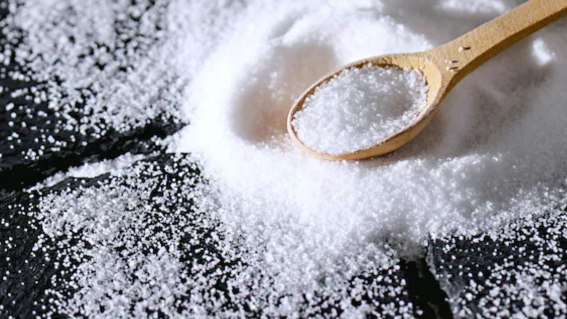
According to Dr Sankaran, regular white salt is not necessarily bleached, as some social media claims suggest. Pure salt is naturally white. In India, common edible salt is generally produced from seawater, cleaned and fortified with iodine.
Iodine is an essential mineral that the body needs to produce thyroid hormones. These hormones help regulate metabolism and support normal growth and development.
Dr Sankaran recommends checking the packaging to ensure that the salt is labelled as iodised. Properly iodised salt can help people meet their daily iodine requirements when consumed in appropriate quantities.
2. Pink salt and sendha namak: Not a replacement for iodised salt
Himalayan pink salt and sendha namak have become popular among people looking for alternatives to regular table salt. They are often promoted as natural options containing several minerals.
However, these varieties generally contain very little iodine unless iodine has been added separately. Their trace mineral content is also too small to provide a meaningful nutritional advantage.
Dr Sankaran explained that pink salt and sendha namak can be used occasionally for their distinctive taste, but they should not automatically replace iodised salt in everyday cooking.
The same consideration applies to Celtic salt, which is also generally not iodised.
3. Black salt or kala namak: Best used in moderation
Kala namak, commonly used in Indian snacks, chutneys, fruit salads and chaats, has a distinctive smell and flavour.
It contains sodium along with sulphur compounds that give it its characteristic aroma. Although its composition differs slightly from regular table salt, it should not be considered a healthy substitute that can be consumed without limits.
Black salt is also not a reliable source of iodine. People who use it regularly should ensure that they obtain sufficient iodine through other dietary sources, including iodised salt where appropriate.
4. Sea salt: Check the iodine label
Sea salt is produced by evaporating seawater and is available in different textures and varieties. Some people assume that all sea salt naturally provides sufficient iodine, but this is not correct.
According to Dr Sankaran, sea salt should be used as a regular cooking option only when its packaging confirms that it has been iodised.
The US National Institutes of Health also explains that specialty salts, including sea salt and Himalayan salt, usually contain little or no iodine unless fortified. Therefore, checking the product label is important.
5. Low-sodium salt: May help some people, but needs medical advice
Low-sodium salt is another option available to people who want to reduce their sodium intake. Unlike regular salt, some low-sodium varieties replace a portion of sodium chloride with potassium chloride.
This can help reduce sodium consumption while retaining a salty taste. Lower sodium intake is important because excessive consumption is associated with high blood pressure and an increased risk of cardiovascular and kidney-related problems.
However, potassium-based salt substitutes are not suitable for everyone. People with kidney disease or those taking medicines that increase potassium levels should consult a doctor before using them.
Why is iodine so important?
Iodine plays an important role in the production of thyroid hormones. These hormones regulate several body functions, including metabolism, growth and development.
A lack of iodine can lead to goitre, a condition in which the thyroid gland becomes enlarged. Severe iodine deficiency during pregnancy and early childhood can also affect the development of a baby’s brain and nervous system.
According to the National Institutes of Health, adults generally require around 150 micrograms of iodine daily. Pregnant and breastfeeding women have higher requirements.
Using iodised salt in moderation is one way to help prevent iodine deficiency. However, people should not increase their salt consumption simply to obtain more iodine.
How much salt should you consume daily?
While iodine is essential, excessive salt consumption can increase blood pressure and raise the risk of heart disease, stroke and kidney problems.
The World Health Organization recommends that adults consume less than 2,000 milligrams of sodium per day, equivalent to less than 5 grams of salt.
This includes salt added during cooking as well as sodium present in packaged foods, pickles, papad, sauces, namkeen and other processed products.
The Food Safety and Standards Authority of India’s Eat Right India initiative also encourages people to reduce salt intake and pay attention to hidden sources of sodium in everyday foods.
Which salt should you choose?
The central message from Dr Sankaran’s guide is that the colour or marketing of salt should not determine its place in your kitchen. For regular cooking, choosing a properly iodised salt and using it in limited quantities can help maintain iodine intake while avoiding excessive sodium consumption.
Pink salt, sendha namak, kala namak and other specialty varieties can be used occasionally for flavour, but they should not be assumed to offer superior health benefits.
Ultimately, the right approach is simple: check the iodine label, control the quantity and remember that a balanced diet is more important than choosing an expensive or fashionable variety of salt.