

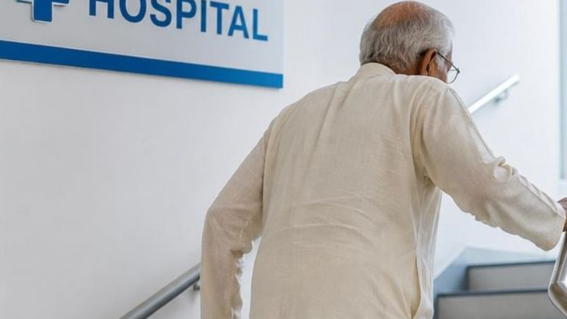
15 October 2026 Punjab Khabarnama Bureau : India must urgently prepare for its rapidly ageing population by strengthening healthcare services, social security and support systems for senior citizens, Dr Kalyan Singh, a physician at the Regional Hospital in Kullu, Himachal Pradesh, has warned. In an opinion article published on October 15, 2026, he highlighted the challenges facing older people, including limited access to medical diagnosis, fragmented treatment, financial insecurity and declining family support.
According to the India Ageing Report 2023, published by the United Nations Population Fund (UNFPA) and the International Institute for Population Sciences (IIPS), the share of Indians aged 60 and above is projected to increase from approximately 10.5% in 2022 to 20.8% by 2050. This could translate into roughly 347 million older people, creating significant demands on the country’s healthcare and social welfare systems.
Healthcare System Faces Growing Pressure
Dr Singh argued that India’s healthcare system remains largely organised around treating individual diseases rather than providing continuous, coordinated care for older people. Senior citizens frequently live with multiple health conditions, including hypertension, diabetes, cardiovascular disease, arthritis, chronic respiratory illnesses and vision or hearing difficulties.
Managing several conditions often requires consultations with different specialists, multiple prescriptions and repeated diagnostic tests. Without coordination, older patients may face conflicting medical advice, unnecessary investigations and higher healthcare expenses.
The doctor emphasised the need for integrated, person-centred geriatric care that considers a patient’s overall physical and mental wellbeing. He said healthcare providers should assess not only diseases but also mobility, memory, emotional health, nutrition and the ability to perform everyday activities.
Rural Elderly Face Diagnostic Challenges
Access to timely diagnosis remains a major concern, particularly for senior citizens living in rural areas. Older people may struggle to reach hospitals because of transportation difficulties, financial constraints and the shortage of specialist doctors.
Conditions such as hypertension and diabetes can remain undiagnosed for years, sometimes becoming apparent only after serious complications develop. Breathlessness, weakness and memory problems may also be dismissed as normal signs of ageing, delaying appropriate treatment.
Dr Singh called for stronger primary healthcare facilities equipped to conduct essential tests and identify chronic diseases at an early stage. He stressed that improving local diagnostic services could reduce the need for elderly patients to travel long distances for routine medical assessments.
The Union government’s National Programme for Health Care of the Elderly already envisages preventive, curative, rehabilitative and home-based services through public healthcare facilities. However, effective implementation and accessibility remain essential to meeting the needs of a growing elderly population.
Changing Family Structures Increase Vulnerability
Traditionally, Indian families have played a central role in caring for elderly relatives. However, migration, urbanisation, smaller households and demanding work schedules are changing these arrangements.
Many older parents now live separately from their children, sometimes without regular assistance for hospital visits, medicines and daily activities. Financial support alone may not address the emotional and practical needs of senior citizens who live alone or depend on others for care.
Dr Singh also highlighted the risk of elder abuse, which can include neglect, humiliation, financial exploitation and denial of medical treatment. Such cases may remain hidden because older people can be financially or physically dependent on those responsible for their care.
He called for stronger community support, accessible complaint mechanisms and greater public awareness about the rights and dignity of senior citizens.
Financial Security and Affordable Treatment
Healthcare costs are another major challenge for older Indians. While hospitalisation often receives considerable attention, many elderly people require regular outpatient consultations, medicines, diagnostic tests, physiotherapy, spectacles, hearing aids and rehabilitation services.
These recurring expenses can place a significant burden on people living on limited pensions or family support. Dr Singh argued that healthcare policies should provide greater financial protection for routine treatment and long-term management of chronic diseases.
He also called for improved access to home-based healthcare, palliative care, assistive devices and rehabilitation services. Such measures could help older people maintain independence for longer and reduce avoidable hospital visits.
Building an Age-Friendly India
Dr Singh outlined several priorities for preparing India for its demographic transition. These include early disease detection, coordinated geriatric care, affordable medicines, support for family caregivers and stronger protection against neglect and exploitation.
He also stressed the importance of making public spaces more accessible. Safe pavements, accessible toilets, suitable public transport and buildings designed for people with limited mobility can help senior citizens remain active and independent.
Technology could support healthcare delivery by connecting villages, primary health centres and hospitals. However, digital services must be accompanied by human assistance, particularly for older people who struggle to use smartphones or online platforms.
Dignity Must Remain Central
India’s growing elderly population represents a major social and policy challenge, but longer life expectancy also offers an opportunity to recognise the contributions of older generations.
Dr Singh argued that old age should not be treated as a loss of dignity or citizenship. He urged policymakers to build a society in which elderly people can access treatment, maintain financial security and seek assistance without feeling like a burden.
The challenge, he concluded, extends beyond building hospitals. India must develop healthcare, transport, housing and community support systems that allow people to age safely and with dignity.