

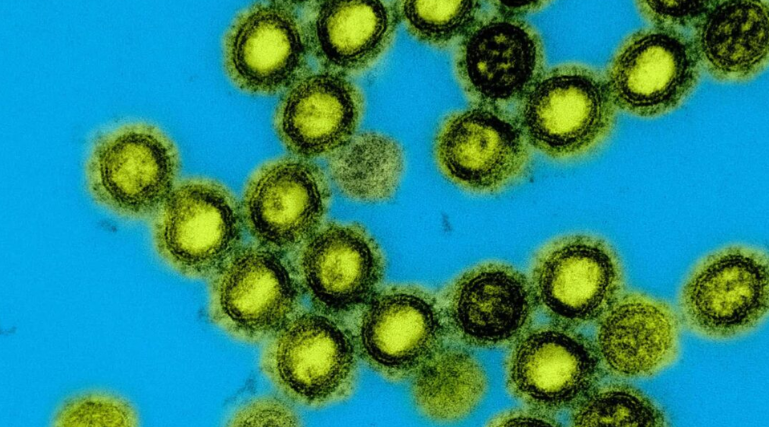
9 October 2026 Punjab Khabarnama Bureau : Respiratory viruses continue to contribute significantly to hospital admissions worldwide, placing pressure on healthcare systems during seasonal outbreaks and periods of increased infection. Viruses such as influenza, respiratory syncytial virus (RSV), SARS-CoV-2 and other common respiratory pathogens can cause illnesses ranging from mild cold-like symptoms to severe respiratory complications requiring hospital treatment.
Understanding the relationship between respiratory virus activity and hospital admission patterns is important for public health authorities, hospitals and healthcare professionals. Monitoring these trends can help identify periods of increased demand, guide resource allocation and support early interventions for people at greater risk of severe illness.
Seasonal Changes Influence Hospital Admissions
Respiratory infections often follow seasonal patterns, although the timing and intensity of outbreaks vary by region and pathogen. In many temperate countries, influenza and RSV activity typically increases during colder months. In tropical regions, respiratory virus circulation may follow different patterns, including multiple peaks throughout the year.
Changes in temperature, humidity, indoor crowding, travel and school attendance can influence the spread of respiratory infections. These factors may contribute to increases in hospital admissions when several viruses circulate simultaneously.
Hospitals often monitor emergency department visits, laboratory-confirmed infections and respiratory-related admissions to identify changes in disease activity. Comparing these indicators over time can help health authorities determine whether an increase in hospital demand reflects a seasonal trend or a more unusual outbreak.
However, hospital admission patterns alone cannot establish which virus is responsible for an increase. Laboratory testing and surveillance data are needed to distinguish between pathogens and assess their relative contribution.
Influenza, RSV and COVID-19 Remain Important Causes
Influenza can cause fever, cough, muscle aches and fatigue, with complications such as pneumonia developing in some patients. Older adults, young children, pregnant people and individuals with certain chronic conditions may face a greater risk of severe disease.
RSV is another important cause of respiratory illness, particularly among infants and older adults. In young children, the infection can cause bronchiolitis and breathing difficulties that sometimes require hospitalisation. Older adults and people with underlying heart or lung conditions can also experience serious complications.
COVID-19 continues to cause respiratory illness and can lead to hospital admission, particularly among people at increased risk of severe disease. The severity of infection and the likelihood of hospitalisation vary according to factors such as age, immunity, underlying health conditions and circulating variants.
Other respiratory viruses, including rhinoviruses, human metapneumovirus and parainfluenza viruses, can also contribute to respiratory illness and hospital demand. Their impact depends on the population affected, the season and the presence of other health risks.
Age and Underlying Conditions Affect Hospitalisation Risk
Hospital admission data frequently show differences between age groups. Infants and young children may require hospital care when respiratory infections cause dehydration, breathing difficulties or complications. Older adults may be more vulnerable because of reduced immune function and existing medical conditions.
People living with asthma, chronic obstructive pulmonary disease, heart disease or weakened immune systems may also experience more severe outcomes from respiratory infections.
These differences are important when analysing admission patterns. An increase in hospitalisations among older adults, for example, may have different implications for clinical care and resource planning than an increase primarily involving otherwise healthy children.
Healthcare professionals consider symptoms, oxygen levels, breathing effort, hydration and underlying conditions when deciding whether hospital treatment is necessary. Admission rates can therefore reflect both disease severity and changes in clinical practice or access to care.
Hospital Capacity and Healthcare Planning
Periods of increased respiratory virus circulation can place substantial pressure on emergency departments, inpatient wards and intensive care units. Hospitals may need additional staff, oxygen supplies, diagnostic testing capacity and beds to manage a surge in patients.
Surveillance systems can help healthcare administrators anticipate demand by tracking emergency visits, positive laboratory tests, hospital admissions and the availability of beds. Combining these indicators can provide a more complete picture than relying on a single measure.
Early warning systems are particularly valuable when influenza, RSV and COVID-19 circulate at the same time. Coinciding outbreaks can increase the number of patients requiring treatment and make it more difficult for hospitals to maintain routine services.
Admission patterns can also help public health authorities communicate risks to communities and prioritise preventive measures for vulnerable populations.
Prevention and Early Medical Care
Vaccination, where recommended and available, remains an important measure for reducing the risk of severe illness from influenza and COVID-19. RSV preventive products are also available for eligible groups in certain countries and settings, depending on local recommendations.
Other measures include regular handwashing, improving indoor ventilation, staying home when unwell and using a well-fitting mask in appropriate situations, particularly when respiratory viruses are circulating widely or when protecting vulnerable individuals.
People experiencing difficulty breathing, persistent chest pain, confusion, bluish lips or other signs of severe illness should seek urgent medical attention. Infants, older adults and people with underlying conditions may need medical assessment sooner if their symptoms worsen.
Early evaluation can help healthcare professionals identify complications and determine whether antiviral treatment or additional supportive care is appropriate.
The Importance of Continued Surveillance
Monitoring respiratory viruses and hospital admission patterns remains essential for understanding disease burden and preparing healthcare services. Reliable data can help distinguish routine seasonal increases from unusual surges and identify populations that require additional support.
Researchers and public health agencies continue to examine how vaccination, previous infections, changing viral strains, population behaviour and healthcare access influence hospitalisation trends.
No single admission pattern applies universally across all countries or seasons. Local surveillance data, laboratory testing and patient characteristics are necessary to interpret changes accurately.
By combining effective monitoring, prevention and timely clinical care, healthcare systems can improve preparedness for respiratory virus outbreaks and reduce the risk of severe complications among vulnerable populations.