

8 October 2026 Punjab Khabarnama Bureau : Malaria infections are increasingly worrying public health experts in Keralam, with health authorities continuing to monitor cases across several districts. Although the State has made significant progress in controlling malaria over the decades, the disease remains a public health concern because of indigenous transmission in some areas and the movement of people from malaria-endemic regions.
Keralam had controlled malaria substantially by the early 1970s, but the disease has continued to re-emerge as a challenge. State health assessments have identified population movement from malaria-endemic States, rapid urbanisation, infrastructure development, construction activity and changing climatic conditions as factors that can contribute to malaria transmission.
Recent reports have highlighted the situation in Idukki, where malaria cases among migrant plantation workers have drawn particular attention. Around 280 cases were reportedly recorded in the district during the year, according to officials cited in reports. The development has prompted calls for greater screening and early diagnosis among workers who may have come from areas where malaria is more prevalent.
The situation has also renewed attention to the importance of identifying imported infections quickly. Migrant workers arriving from malaria-endemic regions can carry the parasite, and delayed diagnosis can increase the possibility of local transmission where suitable mosquito vectors are present.
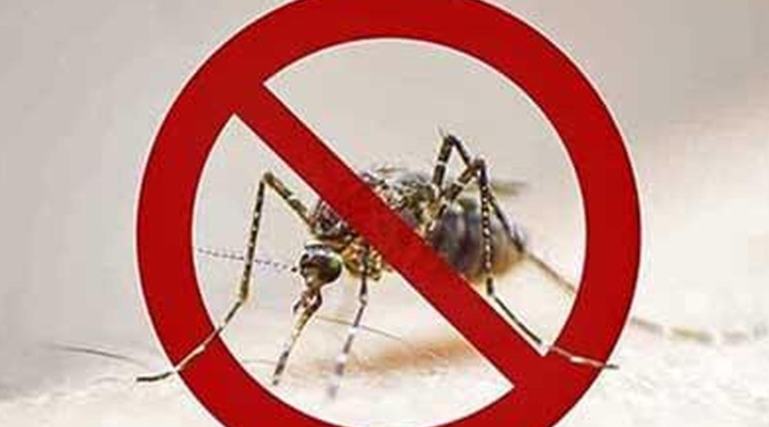
Malaria is caused by Plasmodium parasites and transmitted through the bites of infected female Anopheles mosquitoes. The disease can cause fever, chills, sweating, headache and weakness, while severe infections can result in serious complications and may become life-threatening without timely treatment.
Health officials have stressed the importance of early testing for people who develop fever, particularly those with a history of travel or residence in malaria-endemic areas. Blood testing and prompt treatment remain important components of malaria control.
Kasaragod has historically reported a comparatively higher malaria burden in Keralam, partly because of its proximity to malaria-endemic areas of neighbouring Karnataka. Other districts, including Thiruvananthapuram, Kollam, Kozhikode, Malappuram and Kannur, have also recorded pockets of indigenous malaria in recent years.
The persistence of indigenous cases is particularly significant because Keralam has been working towards eliminating local malaria transmission. The State’s public health strategy focuses on surveillance, early detection, treatment, mosquito control and community participation.
Kannur, for example, has strengthened grassroots prevention activities, including malaria screening and distribution of mosquito nets to vulnerable groups. Health authorities have also conducted awareness programmes aimed at improving understanding of mosquito-borne diseases and encouraging early medical attention.
The State has set a goal of eliminating indigenous malaria by 2028. Health authorities have emphasised that sustained surveillance is necessary to identify infections and prevent isolated cases from developing into local transmission clusters.
Nationally, India has recorded a substantial decline in malaria cases and deaths over the past decade. However, health authorities continue to stress the need for focused surveillance in areas where transmission persists or where imported cases are frequently detected.
The Union Health Ministry has also advised States to strengthen malaria preparedness, particularly during the monsoon and post-monsoon periods. Recommended measures include hotspot mapping, anti-larval activities, vector control, surveillance, rapid response and public awareness campaigns.
In Keralam, the challenge is complicated by the State’s high population density, extensive construction activity and movement of people between regions. Changes in environmental conditions can also influence mosquito breeding and transmission patterns.
Public health experts have therefore emphasised that malaria control cannot depend solely on treating confirmed patients. Continuous surveillance and preventive measures at the community level are essential to interrupt transmission.
Authorities are also encouraging employers, particularly those working with migrant labourers, to facilitate timely health checks when workers develop fever or other symptoms. Screening can help identify infections early and ensure that treatment begins before complications develop.
Health workers have been advised to maintain vigilance in vulnerable communities and areas where malaria cases have previously been detected. Mosquito-control measures, including eliminating breeding sites and protecting people from mosquito bites, remain important preventive steps.
The emergence of malaria cases in different parts of Keralam demonstrates that the disease remains a concern even after decades of progress. Experts say sustained surveillance, early diagnosis, effective treatment and community participation will be essential to prevent a resurgence and achieve the State’s malaria-elimination targets.