

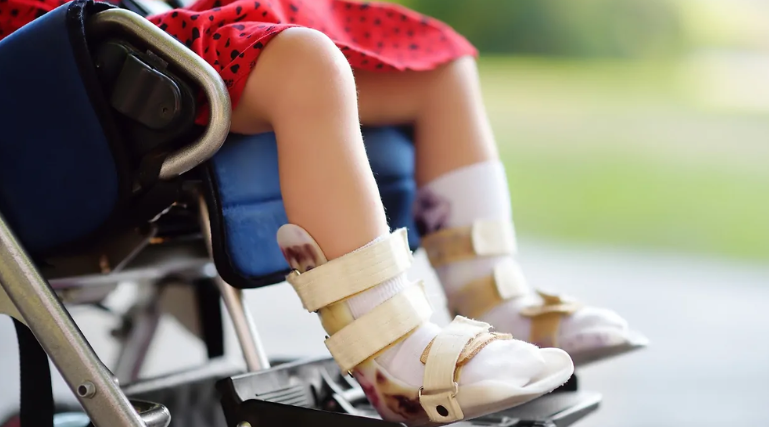
6 October 2026 Punjab Khabarnama Bureau : Cerebral palsy (CP) is a group of neurological disorders that affect movement, muscle tone, posture and coordination. It is usually associated with injury or abnormal development of the developing brain, particularly during pregnancy, birth or early childhood. A common question among expecting parents is whether cerebral palsy can be detected before a baby is born.
The short answer is that cerebral palsy usually cannot be definitively diagnosed before birth. However, doctors can sometimes identify conditions or brain abnormalities during pregnancy that may increase the likelihood of a child developing cerebral palsy.
Cerebral palsy is not a single disease with one identifiable prenatal test. It can have many causes, and in some children the reason for the condition cannot be determined. Some cases are associated with problems affecting brain development before birth, while others may develop following complications around delivery or during infancy.
Can Pregnancy Scans Detect Cerebral Palsy?
Routine prenatal ultrasound cannot generally diagnose cerebral palsy itself. However, ultrasound examinations can sometimes identify abnormalities in fetal brain development or other conditions that may be associated with an increased risk of neurological problems.
If a routine scan shows a possible brain abnormality, doctors may recommend additional monitoring or more detailed imaging. Depending on the circumstances and stage of pregnancy, fetal MRI may provide more detailed information about the developing brain.
It is important to understand that finding an abnormality on an ultrasound or MRI does not automatically mean that a baby will develop cerebral palsy. These findings may indicate an increased risk, but they cannot always predict how a child’s movement and development will progress after birth.
What Can Increase the Risk?
Several pregnancy and birth-related factors have been associated with an increased risk of cerebral palsy. These include premature birth, low birth weight, certain infections during pregnancy, problems involving the placenta, restricted fetal growth and complications affecting the baby’s oxygen or blood supply.
Multiple births, such as twins and triplets, can also be associated with a higher risk, particularly when they are born prematurely.
However, having one or more of these risk factors does not mean that a baby will definitely develop cerebral palsy. Many babies exposed to such complications develop normally.
What Happens After Birth?
Because cerebral palsy is primarily diagnosed through observation of a child’s development and movement, doctors often identify it after birth rather than during pregnancy.
Babies at higher risk may receive closer developmental monitoring. Healthcare professionals may assess muscle tone, movement, reflexes and motor development. Parents may also be asked to observe milestones such as head control, sitting, crawling and walking.
Some signs may become noticeable during infancy. These can include unusual stiffness or floppiness, asymmetrical movements, delayed motor milestones or persistent abnormal reflexes.
Early identification is important because appropriate therapy can help children develop movement skills and improve their ability to participate in everyday activities.
Why Early Detection Matters
Although there is currently no prenatal test that can reliably predict cerebral palsy in every pregnancy, advances in neonatal medicine and brain imaging have improved early identification among babies at high risk.
Doctors can use neurological assessments and, in some circumstances, brain imaging after birth to identify evidence of brain injury or abnormal development. In very young infants, specialised assessments can help identify those who may benefit from early intervention.
Early intervention may include physical therapy, occupational therapy, speech and language therapy and other supportive services depending on the child’s individual needs.
Does a Normal Pregnancy Scan Rule Out Cerebral Palsy?
No. A normal prenatal ultrasound does not guarantee that a child will not develop cerebral palsy. Some forms of brain injury or developmental problems may not be visible during routine pregnancy scans.
Likewise, an abnormal scan does not necessarily mean that cerebral palsy will develop. Doctors generally consider imaging findings alongside the baby’s medical history, gestational age and subsequent development.
This is why parents who receive concerning findings during pregnancy should discuss them with their obstetrician or a fetal-medicine specialist rather than assuming that a particular diagnosis is certain.
What Should Expecting Parents Do?
Parents who have concerns about fetal brain development, premature delivery or other pregnancy complications should speak with their healthcare team. Depending on the situation, doctors may recommend additional ultrasound examinations, specialist consultations or fetal MRI.
After birth, babies who experienced significant complications or were born very prematurely may require developmental follow-up. Parents should raise concerns if their baby shows persistent difficulties with movement, muscle tone or developmental milestones.
Cerebral palsy is a lifelong condition, but its effects vary considerably from one person to another. Some children have relatively mild movement difficulties, while others require substantial support with mobility and daily activities.
Ultimately, cerebral palsy generally cannot be confirmed before birth, but doctors can sometimes identify prenatal or neonatal findings that indicate an increased risk. Continued improvements in fetal imaging, newborn assessment and early intervention are helping healthcare professionals identify children who may need additional support as early as possible.