

30 September 2026 Punjab Khabarnama Bureau : Novo Nordisk is strengthening its position in the rapidly expanding obesity treatment market through a deal worth up to $2.6 billion involving a once-weekly obesity pill developed in China.
The agreement highlights the growing importance of China as a source of innovative drug development and comes as pharmaceutical companies race to develop more convenient treatments for obesity. Novo Nordisk, one of the leading companies in the global weight-loss drug market, is seeking to broaden its portfolio beyond injectable therapies.
Under the agreement, Novo Nordisk is set to acquire rights to a once-weekly oral obesity treatment developed by China’s Urtik? The deal reflects increasing interest among major global pharmaceutical companies in drug candidates originating from Chinese biotechnology firms. The potential value of the transaction includes upfront and milestone payments linked to development and commercial progress.
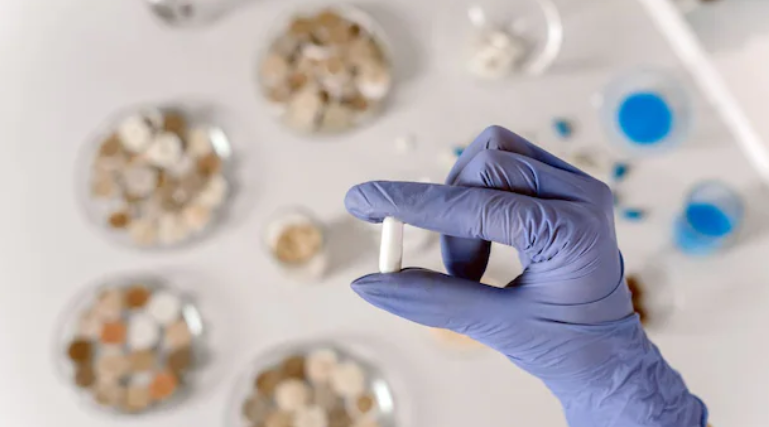
The pill is designed to provide an oral alternative to injectable weight-loss medicines. If successfully developed and approved, a once-weekly tablet could offer greater convenience to patients who prefer oral medication over regular injections.
The global obesity treatment market has expanded rapidly in recent years, driven by increasing awareness of obesity as a chronic medical condition and growing demand for effective weight-management therapies. Drugs based on incretin pathways have attracted significant attention because of their ability to help patients lose weight while also improving certain metabolic health indicators.
Novo Nordisk has been a major player in this market through its semaglutide-based medicines. However, competition has intensified as pharmaceutical companies develop new drugs, including oral formulations that could potentially reshape how obesity treatments are administered.
The latest deal reflects the company’s efforts to maintain a strong pipeline as competition increases. Oral obesity medicines are particularly attractive because they could expand access to treatment among patients who are reluctant to use injectable products.
Developing an obesity pill that can be taken only once a week presents significant scientific and manufacturing challenges. Oral drugs must be able to maintain effective levels of the active ingredient over an extended period while also demonstrating acceptable safety and tolerability.
Before such a treatment can reach patients, it must undergo clinical development and regulatory review. Trials are required to establish the medicine’s effectiveness, appropriate dosage and safety profile across different patient populations.
The transaction also underscores the changing landscape of China’s pharmaceutical sector. Chinese drug developers have increasingly attracted international partnerships and licensing deals as their research capabilities have expanded. Global pharmaceutical companies are looking to China not only as a major healthcare market but also as a source of potentially valuable drug candidates.
For Novo Nordisk, the deal comes at a time when the obesity-drug industry is becoming increasingly competitive. Rival companies are investing heavily in next-generation treatments, including oral medicines and therapies designed to produce substantial weight loss with improved convenience.
The development of oral obesity treatments could also have implications for healthcare systems. Pills may be easier to distribute and administer in some settings than injectable medicines, although affordability, insurance coverage and regulatory approvals will influence their eventual accessibility.
The growing demand for obesity treatments is being driven by the increasing prevalence of overweight and obesity worldwide. Health authorities have increasingly recognised obesity as a chronic condition associated with several other diseases, including type 2 diabetes, cardiovascular disease and certain other health complications.
At the same time, experts continue to stress that medicines are only one component of obesity management. Nutrition, physical activity, behavioural support and long-term medical monitoring remain important elements of comprehensive care.
The $2.6 billion deal therefore represents more than an investment in a single drug candidate. It demonstrates how pharmaceutical companies are competing to secure promising technologies that could shape the next generation of obesity treatment.
If the once-weekly pill proves successful in clinical trials and receives regulatory approval, it could give Novo Nordisk another option in the rapidly evolving weight-management market. The company will, however, face the challenge of demonstrating that the treatment can deliver meaningful benefits while maintaining a favourable safety profile.
The deal also highlights the increasingly global nature of pharmaceutical innovation, with Chinese-developed medicines attracting major international interest. As competition in obesity treatment continues to grow, partnerships between global pharmaceutical companies and emerging drug developers are likely to remain an important part of the industry’s strategy.