

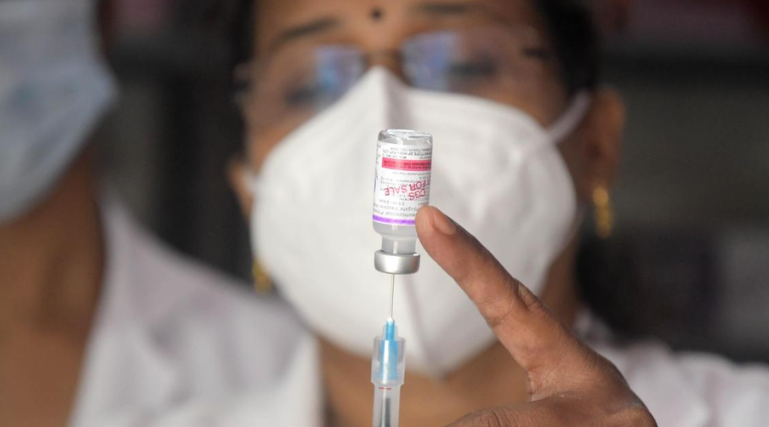
28 September 2026 Punjab Khabarnama Bureau : As Delhi prepares for another winter of respiratory illnesses, doctors are urging families to think beyond protecting children and pay equal attention to older adults, particularly grandparents living in multigenerational households.
The concern comes amid increased influenza activity in Delhi and across India this year. Delhi recorded more than 1,777 H1N1 cases by August 20, more than six times the 229 cases reported during the corresponding period last year. Doctors have particularly highlighted children, elderly people, pregnant women and those with chronic illnesses as groups at greater risk of complications.
Why Grandparents Need Special Protection
Seasonal influenza is usually self-limiting in otherwise healthy people. However, India’s Health Ministry and ICMR have identified elderly people and young children among those more vulnerable to complications.
Older adults are more likely to have underlying conditions such as diabetes, heart disease, chronic respiratory illnesses or reduced immune function. These factors can make influenza more difficult to manage and increase the risk of complications.
Children, meanwhile, can be important transmitters of respiratory viruses because of their close contact with classmates, siblings and family members.
That creates a particular concern in households where children and grandparents live together.
One Household, Two Vulnerable Age Groups
A child may pick up influenza at school or through social contact and develop a relatively mild infection.
When that infection enters a multigenerational household, however, an older family member may face a greater risk of severe illness.
Vaccinating eligible members of both age groups can therefore be part of a broader household-level prevention strategy.
This does not mean vaccination provides complete protection or prevents every infection. Rather, annual influenza vaccination is intended to reduce the risk of influenza illness and its complications. The CDC notes that flu vaccines are approved from six months of age and recommends annual vaccination, with specific considerations for older adults.
Delhi Has Already Seen Increased Flu Activity
The latest Delhi data underline why families are discussing influenza vaccination before winter.
More than 1,777 H1N1 cases had been reported in the capital by August 20, while the city had recorded more than 2,300 Influenza-A cases overall.
Doctors in Delhi-NCR have also reported an increase in consultations for flu-like illness, with some patients developing pneumonia, breathing difficulties and low oxygen levels.
Winter Can Bring Additional Respiratory Pressure
Delhi’s winter conditions can create an environment in which respiratory illnesses become a greater concern.
People tend to spend more time indoors, while crowded settings, schools, workplaces and poorly ventilated spaces can facilitate respiratory-virus transmission.
The Health Ministry has already asked states to strengthen surveillance and healthcare preparedness for acute respiratory illnesses and seasonal influenza.
Vaccination Is Not Just for Children
India’s adult vaccination coverage remains low.
The Indian Medical Association recently highlighted data from the National Sample Survey showing that only 1.98% of adults had received adult vaccines, while coverage among people aged 60 and above was just 0.40%.
The IMA has been promoting annual influenza vaccination particularly among high-risk groups, including older adults, young children, pregnant women and people with chronic medical conditions.
What About Older Adults With Other Health Problems?
Older people with diabetes, heart disease, chronic lung disease or other long-term conditions should discuss seasonal vaccination with their healthcare provider.
These conditions do not automatically mean that someone will develop severe influenza, but they can increase vulnerability to complications.
The ICMR has advised people in higher-risk categories to exercise greater caution and seek timely medical advice if influenza-like symptoms develop.
Children May Need Different Vaccination Schedules
Children’s influenza vaccination requirements can differ depending on their age and previous vaccination history.
For example, CDC guidance notes that some children aged 6 months to 8 years who are being vaccinated for the first time, have received only one previous dose or have an unknown vaccination history may need two doses in that season.
Families in India should follow the schedule and vaccine recommendation provided by their paediatrician.
Can Vaccines Be Given Together?
Several vaccines can be administered during the same healthcare visit when appropriate.
However, which vaccines are needed depends on age, previous vaccination, medical conditions and local recommendations. Families should therefore consult a doctor rather than assuming that every vaccine is required for every member.
The CDC notes that most vaccines can be given during the same visit, with injections administered at separate sites when necessary.
Vaccination Is Only One Layer of Protection
Vaccination should be combined with basic respiratory precautions.
Families can reduce transmission by encouraging sick members to stay home where possible, improving ventilation, washing hands regularly and covering coughs and sneezes.
Older adults and children should receive prompt medical attention if symptoms become severe.
Warning signs can include breathing difficulty, low oxygen levels, persistent high fever, chest pain or worsening of an existing medical condition.
No New H1N1 Strain Detected
The current increase should not automatically be interpreted as evidence of a new or unusually dangerous H1N1 virus.
The Health Ministry and ICMR said in August that the circulating influenza viruses were consistent with expected seasonal patterns and that there was no evidence of a new unusual strain or genetic shift.
Why Families Should Think About Both Generations
The central message for Delhi families is simple: respiratory-virus prevention works better when vulnerable members of the household are not overlooked.
Protecting children while ignoring grandparents can leave another high-risk group exposed. Discussing seasonal influenza vaccination for both eligible children and older adults with healthcare professionals before the winter surge can help families plan ahead.