

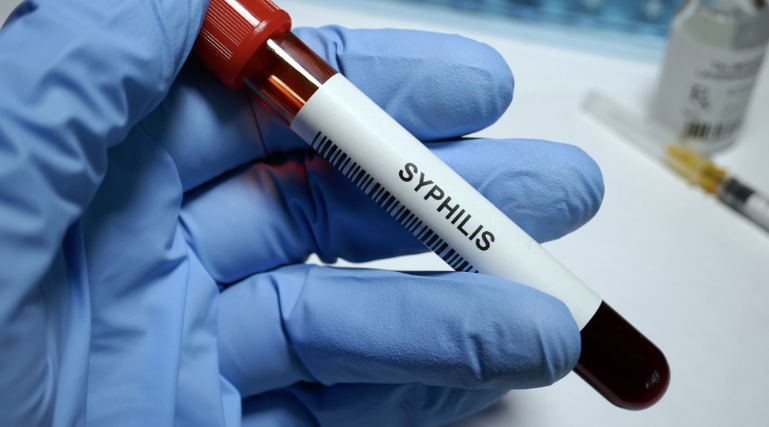
22 September 2026 Punjab Khabarnama Bureau : Syphilis is a curable bacterial sexually transmitted infection, yet Telangana recorded 54 medically certified deaths linked to syphilis in 2024, raising questions about delayed diagnosis, incomplete treatment and gaps in follow-up care.
According to data from the Registrar General of India’s Medical Certification of Cause of Death reports, Telangana’s certified syphilis deaths increased from 28 in 2022 to 44 in 2023 and 54 in 2024. Telangana had the highest reported number among states in 2022 and 2023; in 2024, West Bengal recorded 102, placing Telangana second.
Why Can a Curable Disease Become Fatal?
Syphilis is caused by the bacterium Treponema pallidum. Many infections cause few or no noticeable symptoms, allowing the disease to remain undiagnosed.
Without treatment, syphilis can progress over years and eventually damage organs including the heart, blood vessels, brain and nervous system. WHO says tertiary syphilis can cause severe complications and, in some cases, death.
Early syphilis can generally be treated effectively with benzathine penicillin, making timely diagnosis a crucial factor in preventing serious complications.
Delayed Diagnosis Is a Major Concern
One reason for the mortality figures may be that some patients do not seek medical attention when early symptoms appear.
The first stage can produce a painless sore that may disappear on its own. That disappearance does not mean the infection has been cured.
Later symptoms can include rashes and other problems that may resemble different illnesses, making diagnosis more difficult if the infection is not specifically considered.
Stigma Can Keep Patients Away From Care
Doctors quoted in the report point to social stigma surrounding sexually transmitted infections as a factor in delayed treatment.
Patients may hesitate to discuss symptoms, undergo testing or disclose their sexual history. By the time they reach a specialist, the infection may have progressed or complications may already have developed.
Treatment Must Also Be Completed Correctly
Having an effective antibiotic available does not automatically guarantee successful treatment.
Patients need the appropriate treatment for the stage of infection and must follow the prescribed course. The Telangana doctor quoted in the report also raised concerns about people seeking treatment from unqualified providers, potentially resulting in incomplete, inappropriate or delayed therapy.
WHO notes that later-stage syphilis generally requires more doses of benzathine penicillin than early infection.
HIV Can Complicate the Picture
Syphilis and HIV share important routes of transmission, and co-infection can complicate clinical management.
WHO notes that having syphilis increases the risk of acquiring HIV by approximately two-fold. The Telangana specialist also stressed the importance of HIV testing after a syphilis diagnosis.
Migration and Continuity of Care
Population movement between states can make continuity of treatment and follow-up more difficult.
Doctors cited in the report identified migration and travel as factors that can complicate prevention and healthcare access. A person who moves frequently may not remain connected to the same healthcare provider or may interrupt treatment and follow-up.
Pregnancy Makes Early Detection Especially Important
Syphilis can also pass from an infected mother to her baby during pregnancy.
WHO says untreated or inadequately treated maternal syphilis can result in serious outcomes including stillbirth, neonatal death, prematurity and congenital infection. India’s national guidelines recommend routine antenatal screening for syphilis because early detection and treatment can prevent mother-to-child transmission.
Recent Indian case reports have also documented continuing challenges involving delayed diagnosis and incomplete maternal treatment in congenital syphilis.
What Do Telangana’s Death Figures Actually Mean?
The figure of 54 deaths in 2024 should not be interpreted as the total number of syphilis-related deaths in Telangana.
The MCCD system records deaths for which a registered medical practitioner certifies the cause. The data therefore depends on diagnosis, certification and reporting. The report itself cautions that a change in the number can reflect differences in certification or reporting as well as changes in actual mortality.
This limitation is particularly important when comparing states.
For example, Andhra Pradesh recorded zero medically certified syphilis deaths in each of the three years cited, while West Bengal’s reported figure jumped from one in 2023 to 102 in 2024. Such sharp differences cannot by themselves establish that the underlying disease burden changed by the same magnitude.
Other Health Conditions May Increase the Risk
The doctor quoted in the report also cautioned that syphilis-related mortality can involve other illnesses and complications.
Conditions such as HIV, diabetes, cardiovascular disease, kidney or liver disease and alcohol-related health problems can contribute to overall risk. This means a death certified as related to syphilis may involve multiple interacting medical factors rather than the infection acting alone.
The Main Lesson: Treatment Exists, but Access Matters
Telangana’s figures illustrate an important public-health paradox: a disease can be medically curable but still cause serious illness when diagnosis and treatment happen too late.
Reducing deaths requires more than antibiotics. It requires accessible testing, early diagnosis, confidential sexual-health services, appropriate treatment, partner notification, HIV testing and reliable follow-up.
WHO also recommends testing pregnant women early in antenatal care and treating positive cases promptly to prevent congenital syphilis.
Why Telangana’s Numbers Need Closer Study
The increase from 28 certified deaths in 2022 to 54 in 2024 is significant, but the available data does not establish one single cause for the rise.
The pattern points to the need for closer investigation of diagnosis delays, treatment access, HIV co-infection, certification practices and the completeness of mortality reporting.
For a disease with an established cure, the continuing occurrence of certified deaths highlights the gap that can exist between medical capability and people actually receiving timely care.