

17 September 2026 Punjab Khabarnama Bureau Chimeric Antigen Receptor T-cell (CAR-T) therapy, originally developed as an advanced treatment for certain blood cancers, is increasingly being investigated as a potential approach for treating severe autoimmune diseases.
A new narrative review examines the emerging evidence surrounding CAR-T therapy in autoimmune disorders and explains how genetically modified immune cells could potentially reset abnormal immune responses.
What Is CAR-T Therapy?
CAR-T therapy is a form of personalised immunotherapy in which a patient’s own T cells are collected from the blood and genetically modified in a laboratory.
The modified cells are equipped with chimeric antigen receptors, allowing them to recognise specific targets on cells. After being expanded, the cells are infused back into the patient, where they can seek out and destroy target cells.
The approach has produced major advances in the treatment of some blood cancers, particularly diseases involving abnormal B cells.
Why Researchers Are Studying CAR-T for Autoimmune Diseases
Autoimmune diseases occur when the immune system mistakenly attacks the body’s own tissues.
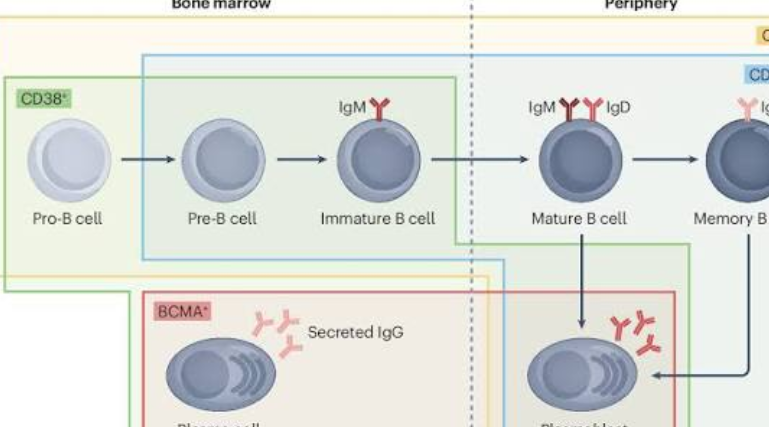
B cells can play an important role in several autoimmune disorders because they produce autoantibodies that target the body’s own proteins or cells.
Conventional treatments often suppress the immune system or block particular inflammatory pathways. CAR-T therapy offers a different strategy: eliminating disease-driving immune cells and potentially allowing the immune system to rebuild.
The ‘Immune Reset’ Concept
One of the most closely studied ideas is an immune reset.
CAR-T cells targeting CD19 can eliminate large numbers of B cells, including populations involved in autoimmune responses. After treatment, B cells can gradually return.
Early studies have suggested that newly regenerated B cells may show a less autoreactive profile, potentially producing a period of disease remission.
This concept has generated interest in conditions that remain difficult to control with conventional therapies.
Diseases Under Investigation
Researchers are investigating CAR-T approaches across several autoimmune conditions.
These include systemic lupus erythematosus (SLE), systemic sclerosis, idiopathic inflammatory myopathies and other severe autoimmune disorders.
Early clinical reports have attracted attention because some heavily pretreated patients experienced substantial improvements after CD19-directed CAR-T therapy.
However, much of the evidence remains based on relatively small studies, case series or early-phase clinical trials.
Lupus Has Been a Major Focus
Systemic lupus erythematosus has emerged as one of the most prominent areas of CAR-T research.
Lupus involves abnormal immune activity and the production of autoantibodies against the body’s own components. Eliminating B cells responsible for maintaining these responses could potentially interrupt the disease process more deeply than conventional immune suppression.
Early clinical research has reported periods of drug-free remission in some patients treated with CD19 CAR-T cells, but larger controlled studies are needed to determine how consistently these results can be reproduced.
Potential Advantages Over Conventional Therapy
A major attraction of CAR-T therapy is its potential for a time-limited treatment with prolonged effects.
Many autoimmune diseases require years of continuous medication. If CAR-T treatment can produce sustained remission after a single cellular therapy, it could eventually change how some severe autoimmune diseases are managed.
Researchers are therefore exploring whether CAR-T can move treatment from continuous immune suppression towards a more durable immune-system reset.
The Treatment Also Carries Significant Risks
CAR-T therapy is not a simple or risk-free treatment.
Patients can develop cytokine release syndrome (CRS), a potentially serious inflammatory reaction that can occur after CAR-T cells become activated.
Another complication is immune effector cell-associated neurotoxicity syndrome (ICANS), which can cause neurological symptoms in some patients.
Because B-cell-targeted CAR-T therapy can produce prolonged B-cell depletion, patients may also experience reduced antibody production and increased susceptibility to infections.
Manufacturing Makes It Complex
CAR-T therapy is highly specialised.
The process generally involves collecting a patient’s T cells, modifying them, expanding the cells and administering them after the patient undergoes preparative treatment.
This makes CAR-T considerably more complicated and expensive than conventional autoimmune medicines.
Manufacturing time, specialised hospitals, quality control and intensive monitoring can all limit access.
Researchers Are Looking Beyond CD19
Although CD19-directed CAR-T therapy has received substantial attention, scientists are investigating other targets and cellular approaches.
The goal is to identify disease-causing immune populations more precisely while reducing unnecessary immune-system disruption.
Future approaches could potentially involve different CAR designs, alternative immune-cell targets or therapies engineered to provide more controlled immune modulation.
Not Yet a Routine Autoimmune Treatment
Despite promising early findings, CAR-T therapy should not currently be considered a routine treatment for autoimmune diseases.
Most evidence remains preliminary, and the long-term safety, durability of remission, optimal patient selection and comparative effectiveness against existing treatments still require further investigation.
Clinical trials remain essential for determining whether the benefits outweigh the risks across different autoimmune conditions.
What Could the Future Hold?
If ongoing research confirms the early results, CAR-T therapy could become an option for selected patients with severe, treatment-resistant autoimmune diseases.
The field is also moving towards making cellular therapies safer, more accessible and potentially less expensive.
Researchers are particularly interested in developing approaches that achieve deep immune reprogramming without causing prolonged immune deficiency.
A New Direction in Autoimmune Medicine
The investigation of CAR-T therapy represents a broader shift in autoimmune medicine—from simply controlling inflammation to attempting to eliminate the immune cells driving disease and rebuild a healthier immune repertoire.
The approach remains experimental, but its development could open a new chapter in the treatment of autoimmune disorders that have historically required long-term immunosuppression.