

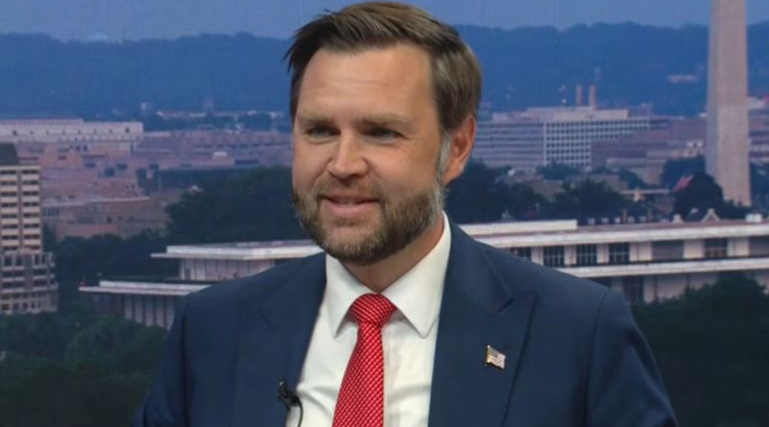
1 july 2026 Punjab Khabarnama Bureau : D.C.: US Vice President JD Vance has described the ongoing diplomatic engagement between the United States and Iran as a potentially historic opportunity, expressing optimism that current negotiations could fundamentally reshape relations between the two countries while eliminating concerns over Tehran’s nuclear ambitions.
Speaking about the latest developments, Vance said, “Could this be a very important historical moment? Answer is obviously yes,” emphasizing that the coming weeks could determine the future of security and stability across the Middle East. His remarks reflect growing confidence within the US administration that sustained diplomatic pressure, combined with economic and strategic leverage, may convince Iran to abandon its nuclear programme in exchange for broader economic integration and improved international relations.
According to Vance, the United States currently holds significant leverage in the negotiations. He argued that years of sanctions, diplomatic isolation, and military pressure have placed Washington in a strong negotiating position. While acknowledging that discussions remain challenging, he maintained that the US objective is straightforward: ensuring that Iran can never develop a nuclear weapon while allowing the country an opportunity to rebuild its economy through peaceful cooperation.
The vice president stressed that the negotiations are not solely about limiting uranium enrichment but about creating a comprehensive framework that permanently addresses international concerns over Iran’s nuclear activities. He noted that a successful agreement would benefit not only the United States and Iran but also regional allies and the broader global community by reducing the risk of military confrontation.
Vance explained that Washington’s preferred outcome is a future in which Iran chooses economic development over nuclear escalation. He suggested that if Tehran demonstrates transparency, cooperates fully with international inspectors, and agrees to strict verification measures, it could gradually regain access to international markets and attract foreign investment.
Officials involved in the diplomatic process say the negotiations have focused heavily on restoring confidence through enhanced inspections and verifiable commitments. Reports indicate that discussions have included expanded monitoring by the International Atomic Energy Agency (IAEA), limitations on uranium enrichment, and long-term safeguards designed to prevent future nuclear weapons development.
Despite expressing optimism, Vance acknowledged that significant obstacles remain. Decades of mistrust between Washington and Tehran continue to complicate negotiations, while political opposition exists within both countries. Hardline factions in Iran remain skeptical of American intentions, while several US lawmakers continue to advocate for stricter conditions before sanctions relief can be considered.
The vice president nevertheless argued that diplomacy remains preferable to prolonged confrontation. He stated that preventing nuclear proliferation through negotiated agreements would enhance regional security while reducing the possibility of future military conflict. According to Vance, successful diplomacy could also strengthen international cooperation on broader issues affecting Middle East stability.
Analysts believe the negotiations represent one of the most consequential foreign policy initiatives currently facing the US administration. A comprehensive agreement could significantly reshape geopolitical dynamics throughout the Middle East, influence energy markets, and reduce tensions that have persisted for decades.
The administration has repeatedly emphasized that any agreement must be verifiable and enforceable. US officials insist that inspections and monitoring mechanisms will play a central role in ensuring compliance, with clear consequences should Iran violate any future commitments.
International observers are closely monitoring the negotiations, as the outcome could have implications extending well beyond bilateral US-Iran relations. European allies, Gulf nations, and global financial markets are all watching for signs of progress, given the potential impact on regional security, energy supplies, and international diplomacy.
Vance also highlighted that achieving a diplomatic breakthrough would demonstrate the effectiveness of sustained international pressure combined with meaningful negotiations. He suggested that successful diplomacy could serve as a model for addressing other complex security challenges around the world.
While no final agreement has yet been announced, the vice president’s comments underscore growing expectations that the current diplomatic effort may reach a decisive stage in the near future. Whether negotiations ultimately succeed will depend on both sides finding sufficient common ground while maintaining confidence that any agreement can be effectively implemented and verified.
For now, Washington continues to pursue what officials describe as a balanced strategy—combining diplomatic engagement with firm security guarantees. The administration maintains that its ultimate objective is not regime change or confrontation but ensuring lasting peace through the permanent elimination of nuclear weapons risks.
As negotiations continue, the world remains focused on whether this diplomatic effort can indeed become the “very important historical moment” described by Vance. If successful, it could mark one of the most significant breakthroughs in US-Iran relations in decades and reshape the strategic landscape of the Middle East for years to come.