

22 May 2026 Punjab Khabarnama Bureau : Global health experts are warning that delayed access to vaccines during outbreaks such as Ebola and Mpox continues to pose a major threat to international public health systems, especially in low-income and conflict-affected regions.
The concern has intensified following renewed outbreaks in parts of Africa, where healthcare systems are struggling with limited vaccine supplies, delayed international response, and unequal access to life-saving medical resources.
Public health officials say recent outbreaks once again exposed deep inequalities in the global healthcare system, particularly regarding how vaccines and treatments are distributed during emergencies.
Experts argue that despite lessons learned from the COVID-19 pandemic, many countries continue facing major delays in accessing vaccines during fast-moving outbreaks, increasing the risk of wider international spread.
Ebola Outbreak Raises Fresh Alarm
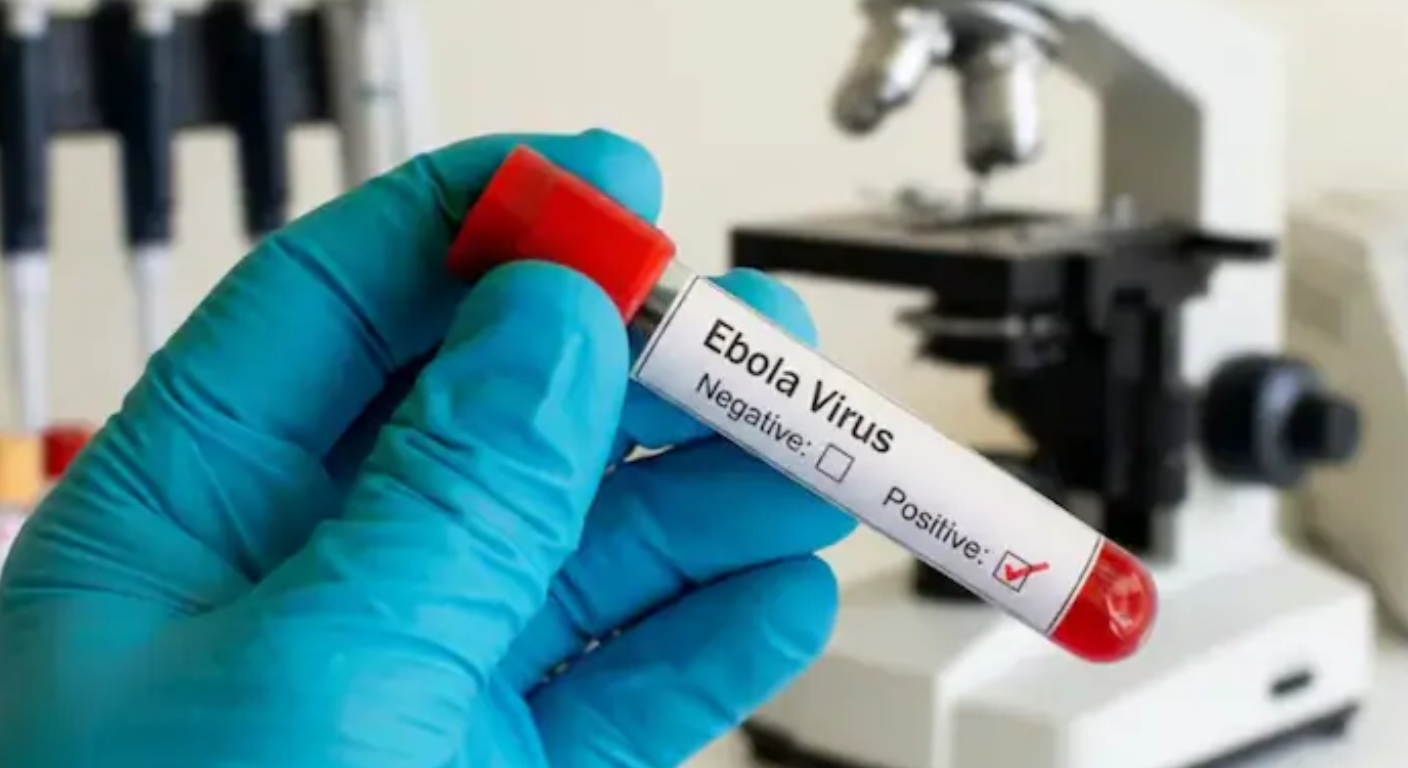
The latest Ebola-related concerns emerged after the World Health Organization declared a public health emergency linked to outbreaks in the Democratic Republic of the Congo and surrounding regions.
Ebola is among the world’s deadliest viral diseases, with severe outbreaks capable of causing high fatality rates if containment measures fail.
Health officials warned that rapid vaccination remains one of the most effective tools for controlling transmission during outbreaks. However, many affected areas continue struggling with limited healthcare infrastructure, transportation difficulties, insecurity, and delayed international funding.
Medical teams have emphasized that every delay in vaccine deployment increases the possibility of further infections, deaths, and cross-border transmission.
Mpox Exposed Similar Problems
The global mpox outbreak also highlighted major inequalities in vaccine access.
During the spread of mpox, wealthier nations were able to secure vaccine stockpiles quickly, while several African countries — where the disease had circulated for years — faced serious shortages and slow international support.
Public health experts criticized what they described as “vaccine nationalism,” where richer countries prioritize domestic supply even during global emergencies.
Many African health officials argued that delayed vaccine distribution weakened containment efforts and increased long-term outbreak risks.
Unequal Global Healthcare Systems
Experts say one of the biggest challenges involves unequal manufacturing and distribution capacity worldwide.
A small number of countries and pharmaceutical companies currently control most global vaccine production, creating dependency for poorer nations during emergencies.
This imbalance became highly visible during the COVID-19 pandemic when many low-income countries waited months longer than wealthy nations to receive vaccines.
Health policy specialists warn that similar patterns are repeating during Ebola, mpox, and other infectious disease outbreaks.
Why Speed Matters During Outbreaks
Infectious disease specialists stress that vaccines are most effective when deployed rapidly during the early stages of outbreaks.
Fast vaccination campaigns can help:
- Reduce transmission
- Protect healthcare workers
- Prevent healthcare system collapse
- Limit mutations
- Reduce international spread
Delays, however, allow diseases to spread more widely, increasing both humanitarian and economic damage.
Experts note that viruses do not respect borders, meaning outbreaks in one region can eventually threaten global health security if not controlled quickly.
Challenges Beyond Vaccine Supply
Health officials say vaccine availability alone is not enough.
Several outbreak regions also face:
- Weak healthcare infrastructure
- Political instability
- Armed conflict
- Misinformation
- Public distrust
- Poor transportation networks
These factors often slow vaccination campaigns even when doses become available.
In some Ebola-affected areas, healthcare workers reportedly struggle reaching remote communities due to violence and insecurity.
Calls For Local Vaccine Manufacturing
Global health organizations are increasingly urging greater investment in vaccine production within Africa and other underserved regions.
Experts believe local manufacturing could reduce dependency on foreign supply chains and improve emergency response speed during future outbreaks.
Several African countries have already begun developing partnerships aimed at expanding domestic vaccine production capacity.
Public health advocates say regional manufacturing would help create a more equitable and resilient global healthcare system.
WHO And International Response
The World Health Organization has repeatedly called for stronger international cooperation, faster funding mechanisms, and fairer vaccine allocation during global health emergencies.
WHO officials stressed that protecting vulnerable countries ultimately protects the entire world from larger outbreaks.
International agencies are also encouraging governments to strengthen surveillance systems, laboratory capacity, and emergency healthcare infrastructure.
Lessons From COVID-19
The COVID-19 pandemic exposed major weaknesses in global pandemic preparedness, especially regarding vaccine distribution fairness.
Although scientific collaboration produced vaccines rapidly, access remained deeply unequal during early phases of the pandemic.
Experts say the same structural problems continue affecting responses to Ebola, mpox, and other emerging diseases.
Public health researchers warn that unless reforms are implemented, future outbreaks could trigger similar global failures.
Growing Threat Of Emerging Diseases
Scientists also caution that climate change, urbanization, deforestation, and global travel are increasing the risk of future infectious disease outbreaks.
As human populations expand into wildlife habitats, the possibility of new zoonotic diseases crossing into humans may rise further.
This makes rapid vaccine development and equitable access increasingly important for global stability.
Need For Global Cooperation
Health experts say no country can manage modern pandemics alone.
They argue that stronger international cooperation, faster vaccine-sharing systems, and investment in global health infrastructure are essential to reducing future outbreak risks.
The Ebola and mpox crises have therefore become powerful reminders that delayed vaccine access is not only a regional issue — it remains a major global health threat affecting international security, economies, and millions of lives worldwide.