

21 May 2026 Punjab Khabarnama Bureau : Sri Lanka is witnessing a sharp increase in dengue infections as health authorities warn about worsening mosquito breeding conditions driven by heavy rains, stagnant water accumulation, and changing weather patterns across several districts.
According to Sri Lankan health officials, thousands of dengue cases have already been reported this year, with urban and densely populated areas witnessing the highest number of infections. Authorities fear the outbreak could intensify further if preventive measures are not strengthened immediately.
The country’s National Dengue Control Unit has issued fresh public advisories urging citizens to eliminate stagnant water sources around homes, schools, workplaces, and construction sites where mosquitoes commonly breed.
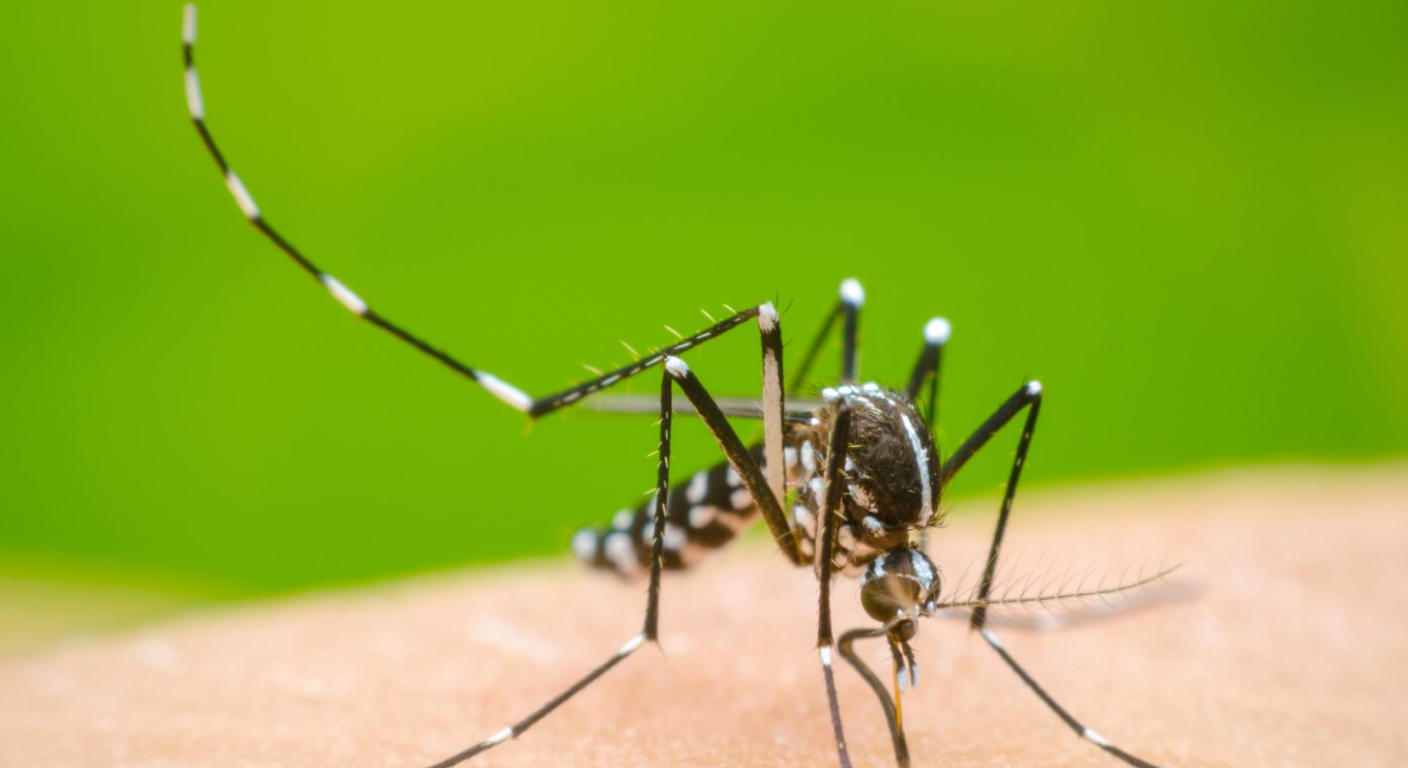
Medical experts say the current spike is largely linked to increased breeding of the Aedes mosquito, the primary carrier responsible for transmitting dengue fever. The mosquito thrives in warm, humid conditions and breeds rapidly in clean stagnant water collected in containers, drains, rooftops, discarded tires, flower pots, and uncovered tanks.
Health officials warned that intermittent rainfall followed by high temperatures has created ideal conditions for mosquito multiplication across multiple provinces.
Several hospitals and healthcare centers in Colombo and other affected districts have reported growing numbers of patients suffering from dengue-related symptoms including high fever, severe headache, muscle pain, skin rashes, nausea, and fatigue.
Doctors also expressed concern regarding severe dengue cases, which can lead to dangerous complications such as internal bleeding, organ damage, and shock syndrome if not treated quickly.
Children, elderly individuals, and people with weak immune systems are considered particularly vulnerable during outbreaks. Medical authorities urged parents to seek immediate treatment if children show warning signs such as persistent vomiting, abdominal pain, breathing difficulty, or unusual bleeding.
Sri Lankan authorities have intensified mosquito-control operations in high-risk areas. Public health workers are conducting inspections, fumigation drives, awareness campaigns, and cleanliness operations aimed at reducing mosquito breeding locations.
Schools, offices, religious institutions, and local communities have also been encouraged to participate in nationwide dengue prevention campaigns.
Health experts stressed that community participation remains one of the most effective ways to control dengue outbreaks. Even small amounts of stagnant water can become breeding grounds for mosquitoes capable of spreading infection rapidly within neighborhoods.
Authorities warned that improper waste disposal and poor drainage systems continue contributing significantly to mosquito population growth in urban areas.
The dengue surge has once again raised concerns about seasonal outbreaks in South Asia, where tropical weather conditions frequently support mosquito-borne diseases.
Sri Lanka has experienced repeated dengue outbreaks over the past decade, with some years witnessing record infection numbers that placed enormous pressure on hospitals and public healthcare systems.
Public health experts believe climate variability and urbanization are worsening mosquito-related disease risks across the region. Rising temperatures and unpredictable rainfall patterns may be extending mosquito breeding seasons and increasing transmission rates.
Doctors advised people to wear full-sleeved clothing, use mosquito repellents, sleep under mosquito nets when necessary, and ensure proper ventilation inside homes to reduce exposure.
Authorities also encouraged individuals to avoid self-medication and seek medical advice promptly if dengue symptoms appear. Early diagnosis and proper hydration are considered crucial in preventing complications.
Sri Lanka’s Health Ministry has reportedly intensified surveillance in affected districts to monitor infection trends and identify emerging hotspots quickly.
Meanwhile, local governments have been instructed to improve waste management systems, clear blocked drains, and strengthen sanitation measures in vulnerable areas.
The rise in dengue cases has also sparked concerns regarding economic and healthcare pressures, especially if infections continue increasing during the monsoon period.
Health officials warned that construction sites remain among the biggest contributors to mosquito breeding because water often accumulates in unfinished structures and open containers. Authorities have therefore increased inspections and legal action against sites violating health regulations.
Experts further highlighted that dengue cannot spread directly from person to person. Transmission occurs when an infected mosquito bites humans after feeding on someone already carrying the virus.
The World Health Organization has repeatedly identified dengue as one of the fastest-growing mosquito-borne viral diseases globally, with infections increasing significantly in many tropical and subtropical countries.
Sri Lankan authorities continue urging the public to remain vigilant and cooperate with health teams to prevent a larger outbreak in coming months.
As the country battles rising infections, officials say sustained public awareness and aggressive mosquito-control efforts will be critical to reducing transmission and protecting communities from severe dengue complications.