

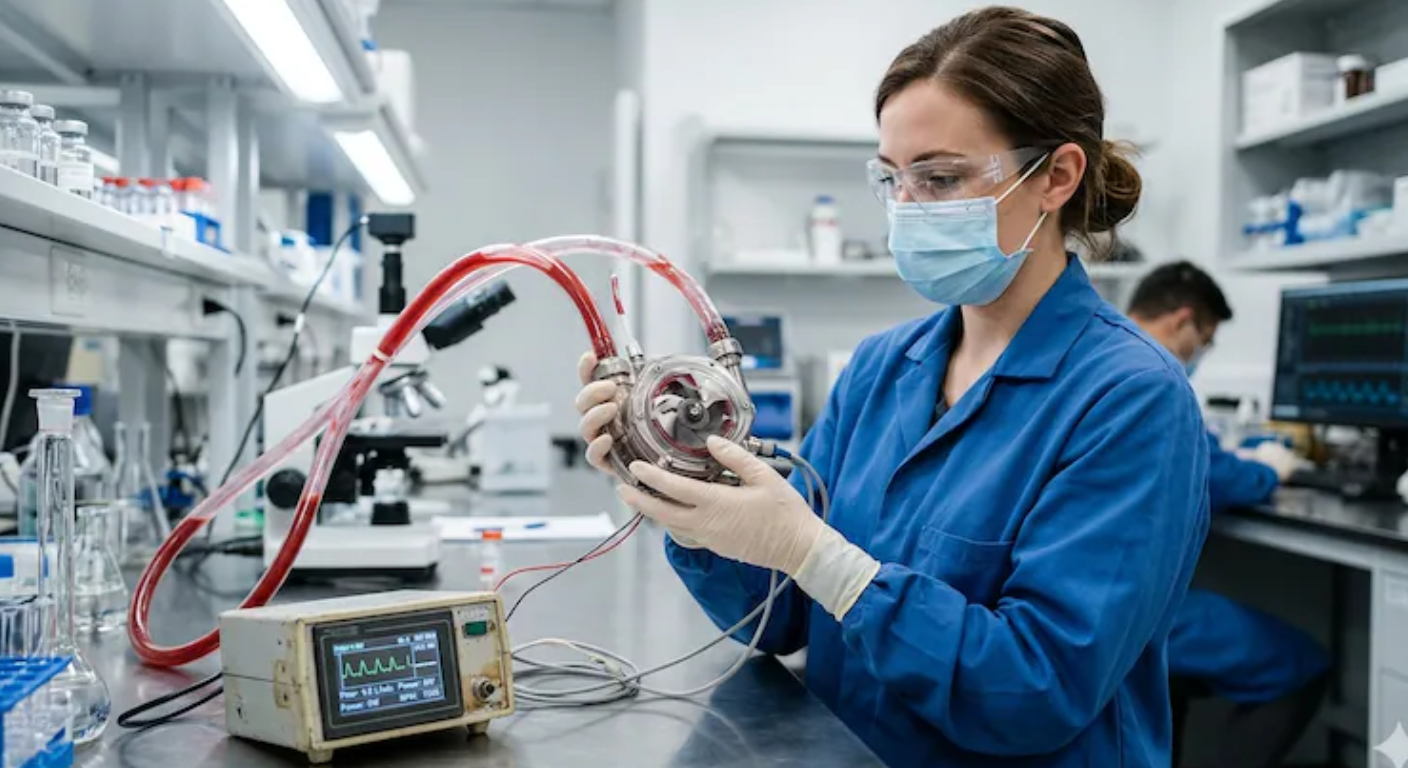
13 May 2026 Punjab Khabarnama Bureau : A newly developed wearable mini pump is offering fresh hope to patients suffering from Heart Failure by potentially allowing them to recover safely at home instead of remaining hospitalized for extended periods.
Researchers and medical experts say the compact device could mark a major advancement in cardiac care by improving patient mobility, reducing hospital stays, and supporting long-term recovery outside intensive clinical settings.
A New Approach to Heart Failure Care
Heart failure occurs when the heart cannot pump blood efficiently enough to meet the body’s needs. Patients often experience:
- Fatigue
- Breathlessness
- Swelling
- Reduced physical activity
- Frequent hospitalization
Severe cases may require advanced mechanical support systems to help the heart maintain blood circulation.
Traditional heart-assist devices are often bulky and require prolonged hospital supervision, limiting patient independence and quality of life.
How the Wearable Mini Pump Works
The newly designed wearable pump is significantly smaller and lighter than many conventional support systems.
According to researchers, the device helps:
- Support blood circulation
- Reduce pressure on the heart
- Improve oxygen delivery
- Assist recovery during treatment
Its portable design reportedly allows patients greater freedom of movement while continuing medical recovery under monitored conditions.
Potential for Home Recovery
One of the most important advantages of the mini pump is the possibility of home-based recovery.
Doctors say recovering at home may benefit patients by:
- Reducing psychological stress
- Improving comfort
- Lowering infection risk
- Supporting mental well-being
- Decreasing hospitalization costs
Healthcare systems worldwide are increasingly exploring technologies that allow safe treatment outside hospitals.
Reducing Pressure on Hospitals
Cardiovascular disease remains among the leading causes of hospitalization globally.
Medical experts believe wearable cardiac support devices could help:
- Free hospital beds
- Reduce intensive care burden
- Improve healthcare efficiency
- Support long-term chronic care management
This could become especially important as healthcare systems face rising demand from aging populations.
Technology and Remote Monitoring
The wearable pump reportedly works alongside digital monitoring systems that allow healthcare teams to track patient conditions remotely.
Doctors may monitor:
- Heart performance
- Blood flow levels
- Device function
- Patient recovery indicators
Remote healthcare technologies have expanded rapidly in recent years, especially after increased demand for home-based medical care.
Improving Patient Quality of Life
Patients using traditional heart-support systems often face limitations involving:
- Mobility
- Daily activities
- Emotional health
- Social interaction
Researchers believe portable medical devices may significantly improve quality of life by allowing greater independence during recovery.
Experts Urge Careful Evaluation
Although early results appear promising, experts caution that wider clinical studies are still necessary.
Researchers continue evaluating:
- Long-term safety
- Device durability
- Infection risks
- Recovery outcomes
- Suitability for different patient groups
Medical specialists emphasize that not all heart failure patients may qualify for wearable support devices.
Heart Failure Cases Increasing Worldwide
Cases of Heart Failure are rising globally due to factors such as:
- Aging populations
- Hypertension
- Diabetes
- Obesity
- Sedentary lifestyles
Public health experts warn that cardiovascular diseases continue placing enormous pressure on healthcare systems worldwide.
Medical Innovation in Cardiac Care
The wearable mini pump reflects broader innovation trends in cardiac medicine involving:
- Artificial intelligence
- Remote monitoring
- Portable medical devices
- Minimally invasive treatment systems
Researchers say future cardiac technologies may increasingly focus on personalized and home-centered care.
Patient Independence Becoming Priority
Modern healthcare approaches increasingly emphasize improving patient independence rather than relying solely on long hospital stays.
Doctors believe home recovery systems can provide:
- Better emotional stability
- Family support environments
- Faster rehabilitation motivation
when properly supervised by medical professionals.
Regulatory and Clinical Steps Ahead
Before wider adoption, the device will likely undergo:
- Additional clinical trials
- Regulatory reviews
- Safety evaluations
- Large-scale testing
Health authorities typically require extensive evidence before approving advanced cardiac technologies for routine use.
Conclusion
The development of a wearable mini pump for Heart Failure patients could represent a major breakthrough in cardiac recovery and home-based healthcare.
While further research remains necessary, experts believe such innovations may help transform heart failure treatment by improving patient comfort, reducing hospitalization pressure, and supporting safer recovery beyond traditional hospital settings.