

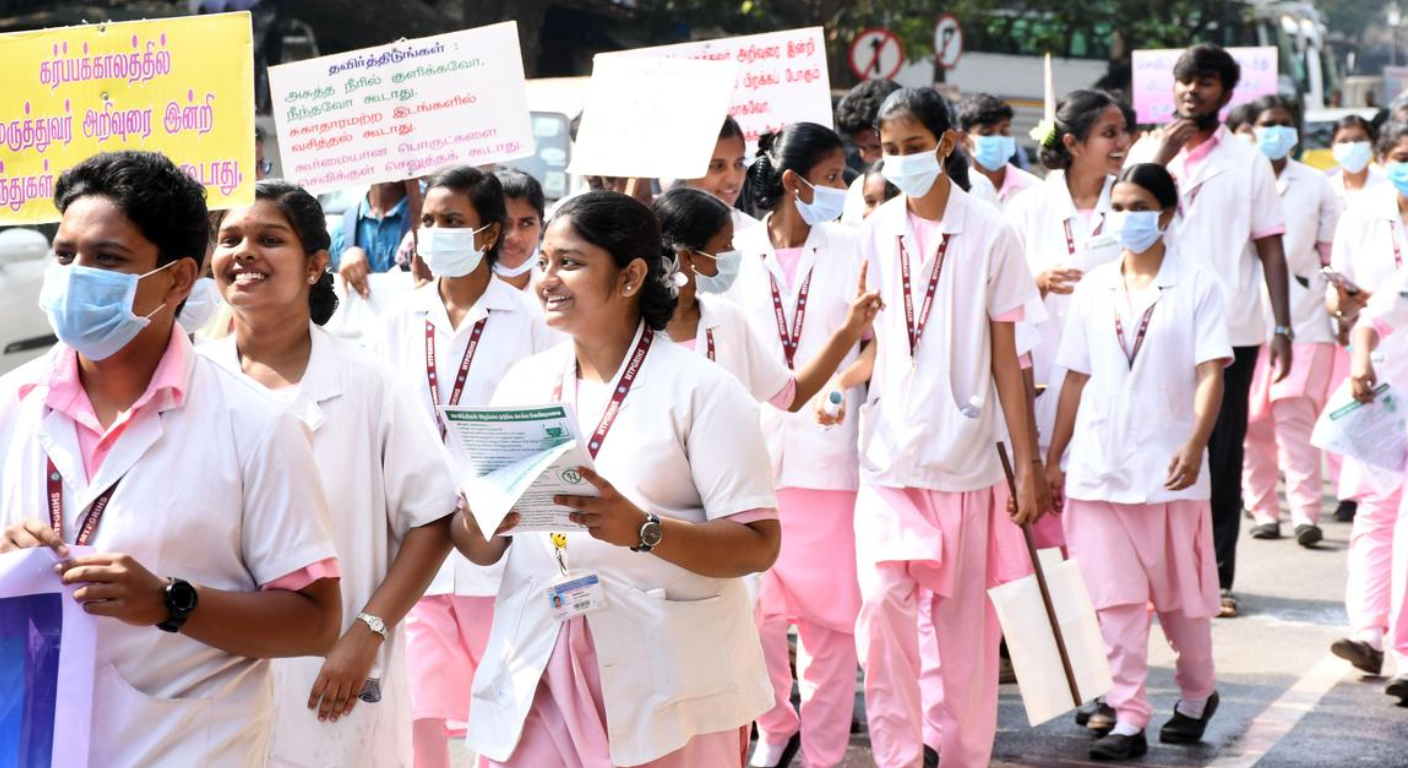
12 May 2026 Punjab Khabarnama Bureau : Nurses are often described as the heartbeat of healthcare systems, quietly carrying enormous responsibility while providing medical care, emotional support, and human compassion to millions of patients every day.
Across hospitals, clinics, emergency rooms, rural health centers, and intensive care units, nursing professionals remain among the most essential pillars of modern healthcare. Medical experts say the profession deserves far greater recognition, support, and investment as healthcare demands continue rising globally.
A Profession Built on Care and Commitment
Nursing is widely regarded as one of the most demanding and emotionally intensive professions in the world.
Nurses routinely manage:
- Critical patient care
- Emergency situations
- Long working hours
- Emotional stress
- Family communication
- Medical coordination
while ensuring that patients receive continuous attention and comfort.
Healthcare professionals often say nurses are the bridge connecting doctors, patients, and families during some of life’s most difficult moments.
Frontline Workers in Every Crisis
The importance of nurses becomes especially visible during public health emergencies and humanitarian crises.
From pandemics and natural disasters to war zones and disease outbreaks, nurses frequently serve on the frontlines under extremely challenging conditions.
During global healthcare emergencies, nurses played a vital role in:
- Intensive care management
- Vaccination drives
- Infection control
- Community awareness
- Emergency response systems
Many worked under physical exhaustion and emotional strain while continuing patient care responsibilities.
Beyond Medical Treatment
Experts emphasize that nursing extends far beyond administering medicines or monitoring patients.
Nurses often provide:
- Emotional reassurance
- Mental support
- Patient education
- End-of-life care
- Family guidance
For many patients, nurses become the most consistent human connection during hospitalization.
This emotional dimension of nursing is increasingly recognized as essential for recovery and patient well-being.
Healthcare Systems Depend on Nurses
Modern healthcare systems rely heavily on skilled nursing professionals to function effectively.
Nurses contribute to:
- Patient monitoring
- Surgical care
- Intensive care support
- Rehabilitation
- Preventive healthcare
- Community health services
Without adequate nursing staff, healthcare systems can quickly face overwhelming pressure.
Global Nursing Shortages Remain Serious
Despite their critical importance, many countries continue struggling with nursing shortages.
Healthcare organizations report challenges including:
- Staff burnout
- Heavy workloads
- Emotional fatigue
- Migration pressures
- Limited workforce expansion
Experts warn that insufficient nursing capacity can negatively affect:
- Patient safety
- Treatment quality
- Emergency preparedness
- Healthcare accessibility
Mental and Emotional Challenges
Nursing professionals frequently work in emotionally difficult environments involving:
- Trauma cases
- Chronic illness
- Patient deaths
- Family distress
- High-pressure emergencies
Mental health experts increasingly stress the importance of psychological support systems for healthcare workers, especially nurses facing continuous stress.
The Need for Better Support
Medical leaders argue that supporting nurses requires more than symbolic appreciation.
They advocate for:
- Better staffing levels
- Improved salaries
- Safer working conditions
- Mental health support
- Professional development opportunities
Long-term investment in nursing is increasingly viewed as essential for strengthening healthcare infrastructure.
Nursing and Public Trust
Nurses consistently rank among the world’s most trusted professionals in public opinion surveys.
Patients often rely on nurses not only for treatment but also for:
- Information
- Compassion
- Guidance
- Emotional reassurance
This trust plays a major role in effective healthcare delivery.
Technology Changing Nursing Roles
Healthcare technology is rapidly transforming nursing responsibilities.
Modern nurses increasingly work with:
- Digital health records
- Telemedicine systems
- Advanced monitoring equipment
- AI-assisted diagnostics
- Robotic support technologies
However, experts say technology cannot replace the human empathy central to nursing care.
Rural and Community Healthcare Role
In many rural and underserved regions, nurses serve as primary healthcare providers and educators.
They often lead:
- Maternal care programs
- Vaccination campaigns
- Public health awareness
- Child health monitoring
- Preventive care outreach
Their contribution is especially important where doctor shortages exist.
Education and Skill Development Important
Healthcare systems increasingly emphasize advanced nursing education and specialization.
Modern nursing roles may involve expertise in:
- Critical care
- Oncology
- Pediatrics
- Emergency medicine
- Surgical assistance
- Public health
Continuous training is considered vital as medical systems become more complex.
Public Gratitude Growing
Awareness regarding nurses’ contributions has grown significantly in recent years.
Public campaigns, healthcare organizations, and patient groups increasingly highlight the sacrifices and dedication shown by nursing professionals.
Experts say genuine appreciation should translate into stronger institutional and policy support.
Conclusion
Nurses remain the emotional and clinical heartbeat of healthcare systems worldwide, combining medical expertise with compassion, resilience, and human connection.
As healthcare challenges continue evolving, experts believe societies must move beyond symbolic praise and invest more seriously in protecting, supporting, and strengthening the nursing profession. Their contribution not only sustains healthcare systems but also brings dignity, comfort, and hope to millions of patients every day.
Summary:
Nurses continue serving as the backbone of healthcare systems worldwide, with experts calling for greater respect, mental health support, better working conditions, and stronger investment in the profession.