

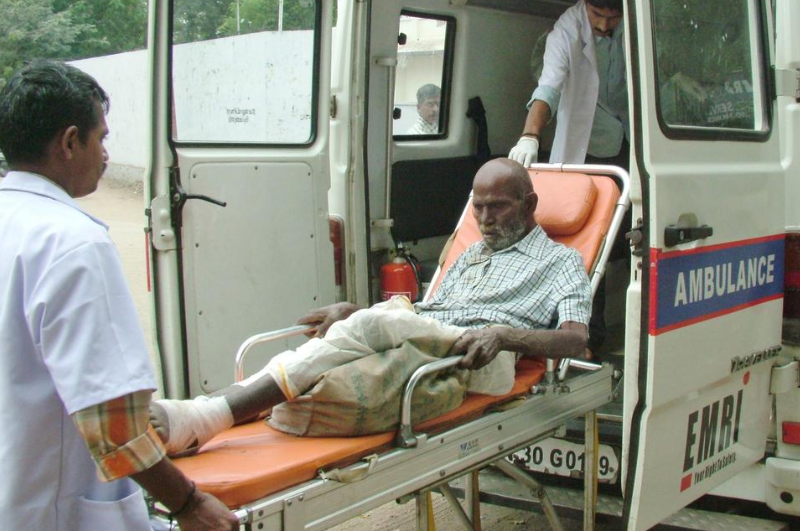
7 May 2026 Punjab Khabarnama Bureau : In moments of crisis, the difference between panic and preparedness can save lives. Whether it is a medical emergency, natural disaster, accident, violent incident, or mental health crisis, experts say one message remains universal: help cannot wait.
Emergency response specialists and healthcare professionals are increasingly emphasizing the importance of public awareness and quick decision-making during emergencies. In many situations, the actions taken in the first few minutes can significantly affect outcomes for victims and responders alike.
Why Immediate Action Matters
Crises often unfold rapidly and unpredictably. Delays in responding—even by a few minutes—can worsen injuries, increase risks, or reduce chances of survival.
Medical professionals refer to the “golden minutes” after an emergency as critical. During this period, immediate intervention such as calling emergency services, performing CPR, controlling bleeding, or evacuating danger zones can dramatically improve outcomes.
Experts stress that ordinary people are often the first responders before professional help arrives. This makes public preparedness essential.
Stay Calm and Assess the Situation
One of the first recommendations in any emergency is to remain as calm as possible. Panic can cloud judgment and create additional danger.
Crisis response experts advise people to:
- Quickly assess immediate threats
- Identify safe exits or shelter areas
- Determine whether emergency services are needed
- Check for injured individuals
- Avoid creating chaos or spreading misinformation
Staying composed allows individuals to make faster and more effective decisions.
Call for Help Immediately
Emergency services should be contacted as soon as possible during serious incidents. Many people hesitate, assuming someone else has already called for assistance.
Experts recommend clearly providing:
- Your exact location
- Nature of the emergency
- Number of injured people
- Visible dangers such as fire or weapons
- Contact information if requested
Remaining on the line until instructed otherwise can help responders gather crucial details.
Basic First Aid Can Save Lives
Medical professionals say basic first aid knowledge is one of the most valuable life skills. Simple interventions before ambulances arrive can stabilize victims and prevent deterioration.
Important emergency actions include:
- CPR during cardiac arrest
- Applying pressure to stop severe bleeding
- Keeping unconscious individuals on their side
- Assisting choking victims
- Avoiding unnecessary movement of spinal injuries
Even limited training can make a significant difference during emergencies.
Mental Health Crises Need Urgent Attention Too
Experts also emphasize that crises are not always physical. Mental health emergencies, including panic attacks, suicidal thoughts, or severe emotional breakdowns, require immediate and compassionate responses.
People are encouraged to:
- Listen calmly without judgment
- Avoid dismissing emotional distress
- Stay with the person if safe
- Contact emergency or mental health services when necessary
Mental health professionals stress that early support can prevent situations from escalating.
Natural Disasters and Public Emergencies
In cases of earthquakes, floods, fires, or storms, preparation and awareness are critical.
Authorities recommend:
- Keeping emergency kits ready
- Knowing evacuation routes
- Following official alerts and instructions
- Avoiding risky travel during warnings
- Maintaining communication plans with family members
Preparedness reduces confusion and improves survival during large-scale emergencies.
Avoid Spreading Panic Online
One growing challenge during crises is misinformation on social media. False rumors and unverified videos can create panic and interfere with emergency response efforts.
Experts urge the public to:
- Share only verified information
- Avoid forwarding rumors
- Rely on official sources and emergency agencies
- Respect victims’ privacy
Responsible communication is now considered an important part of crisis management.
Training and Awareness Save Communities
Emergency experts argue that schools, workplaces, and communities should invest more in crisis-response education.
Programs involving:
- CPR certification
- Fire safety drills
- Disaster preparedness training
- Mental health awareness
- Emergency simulations
can significantly improve public readiness.
Countries that promote widespread first-aid education often report better emergency response outcomes at the community level.
Children and Elderly Need Extra Care
During emergencies, vulnerable populations such as children, elderly individuals, and people with disabilities may require additional assistance.
Crisis planners recommend checking on vulnerable individuals first and ensuring they receive clear guidance and support during evacuations or medical emergencies.
The Role of Compassion
Beyond technical skills, compassion and humanity remain essential during crises. Victims often remember emotional support as much as physical assistance.
Simple actions such as reassuring someone, helping them contact loved ones, or staying nearby until help arrives can provide critical comfort during traumatic moments.
Preparedness Over Fear
Experts emphasize that crisis awareness should not create fear but encourage preparedness. Emergencies can happen anywhere, but informed and prepared individuals are far more likely to respond effectively.
Learning emergency basics empowers people to protect themselves and assist others when every second counts.
Conclusion
The message from emergency response professionals is clear: help cannot wait during a crisis. Whether responding to medical emergencies, accidents, disasters, or emotional distress, quick and informed action can save lives.
As crises become increasingly unpredictable in today’s world, awareness, preparedness, and compassion are more important than ever. Knowing how to act calmly and responsibly may one day make the critical difference between tragedy and survival.
Summary:
Experts stress that quick, calm action during emergencies can save lives. Public awareness, first-aid knowledge, mental health support, and preparedness are essential for responding effectively during crises.