

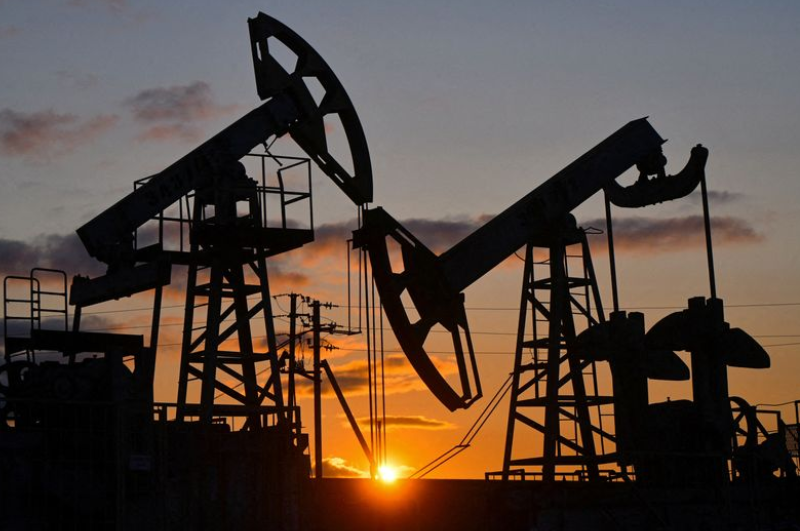
20 April 2026 Punjab Khabarnama Bureau : Global oil markets witnessed a sharp surge, with crude prices rising more than 6%, as fears intensified that the fragile ceasefire between the United States and Iran could collapse. The spike reflects growing geopolitical uncertainty and renewed concerns over disruptions to global energy supplies.
Benchmark crude prices jumped significantly in early trading, with Brent crude climbing to around $95–96 per barrel and U.S. West Texas Intermediate (WTI) nearing $89 per barrel. This sharp rebound comes just days after oil prices had fallen nearly 9%, highlighting the extreme volatility currently gripping energy markets.
The primary trigger behind the latest surge is escalating tension in the strategically crucial Strait of Hormuz, through which roughly one-fifth of the world’s oil supply passes. Any disruption in this narrow waterway has immediate global consequences, making it a focal point for traders and policymakers alike.
Recent developments have raised doubts about the durability of the ceasefire. Reports indicate that the U.S. seized an Iranian cargo vessel allegedly attempting to breach a naval blockade, prompting Tehran to threaten retaliation. At the same time, maritime traffic through the Strait of Hormuz remains inconsistent, with shipping disruptions continuing despite earlier assurances of reopening.
These incidents have eroded market confidence in diplomatic efforts. Investors who had previously hoped for a sustained de-escalation are now reassessing risks, leading to a rapid shift in sentiment. Analysts note that oil markets are highly sensitive to geopolitical headlines, and even minor escalations can trigger significant price movements.
The volatility also reflects a disconnect between diplomatic optimism and ground realities. While ceasefire talks and negotiations have been ongoing, physical oil supply remains constrained due to disrupted shipping routes, increased insurance costs, and logistical challenges. This imbalance is contributing to price instability.
The broader context of the 2026 Strait of Hormuz crisis has already strained global energy markets. The conflict has previously caused major supply disruptions, with millions of barrels per day affected and prices reaching multi-year highs. The latest surge suggests that the market remains vulnerable to further shocks.
Financial markets have also reacted to the rising tensions. Global equities have shown signs of weakness, while investors are increasingly turning to safe-haven assets. The surge in oil prices is expected to have ripple effects across economies, potentially driving inflation higher and increasing costs for businesses and consumers.
For countries heavily dependent on oil imports, including India, the price rise could have significant economic implications. Higher crude prices typically translate into increased fuel costs, impacting transportation, manufacturing, and household expenses.
Experts warn that if the ceasefire collapses entirely, oil prices could climb even further, potentially crossing the $100 per barrel mark again. The extent of the increase would depend on the severity of disruptions in the Strait of Hormuz and the broader Middle East region.
At the same time, there are still efforts underway to salvage the ceasefire and resume negotiations. Diplomatic channels remain active, with mediators attempting to prevent further escalation. However, the current situation underscores how fragile the agreement remains.
Energy analysts emphasise that the market is likely to remain volatile in the near term. Price movements will continue to be driven by geopolitical developments, shipping conditions, and signals from both Washington and Tehran.
In conclusion, the more than 6% jump in oil prices highlights the deep uncertainty surrounding the U.S.-Iran ceasefire. With tensions escalating and supply routes under threat, global energy markets are once again on edge, bracing for further volatility in the days ahead.
Summary
Oil prices rose over 6% amid fears the US-Iran ceasefire could collapse, with Strait of Hormuz disruptions and escalating tensions driving volatility and raising concerns over global energy supply.