

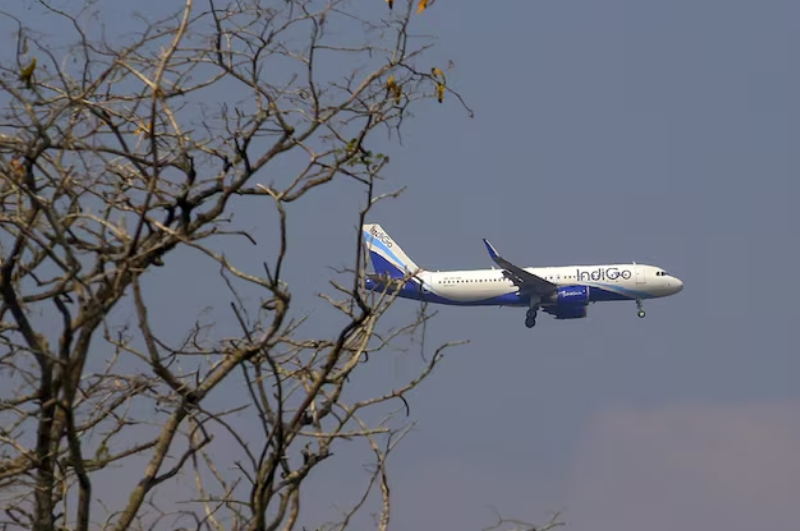
8 April 2026 Punjab Khabarnama Bureau : In a significant relief measure for the aviation sector, India has ordered major airports across the country to reduce certain charges by 25 percent for a limited period. The move is aimed at easing the financial burden on airlines grappling with rising operational costs due to the ongoing Iran war and related geopolitical disruptions.
The directive was issued by the Airports Economic Regulatory Authority of India (AERA), following instructions from the central government. Under the order, landing and parking charges at major airports will be reduced by 25 percent for domestic flights. The relief will remain in effect for three months and has been implemented with immediate effect.
The decision comes at a time when Indian airlines are facing a “double blow” from global and regional challenges. Apart from the impact of the Iran conflict on fuel prices and supply chains, Indian carriers are also unable to use Pakistan’s airspace, forcing them to take longer routes. This has resulted in higher fuel consumption and increased operational costs.
Industry experts note that airport and air navigation charges are among the top cost components for airlines globally, ranking just behind fuel and labour. By reducing these charges, the government aims to provide immediate financial breathing space to airlines struggling to maintain profitability amid volatile market conditions.
The move follows requests from major Indian carriers, including IndiGo and Air India, which had sought rationalisation of airport-related fees. Both airlines have been significantly impacted by the current geopolitical situation, with rising costs and operational challenges affecting their financial performance.
Officials clarified that the relief is temporary and targeted. The reduction applies only to domestic flights and will not directly impact international operations. Authorities have also indicated that any revenue loss incurred by airports due to the fee cut may be adjusted in future tariff revisions, ensuring that airport operators are not permanently disadvantaged.
The aviation sector has welcomed the move, viewing it as a timely intervention. Analysts believe that while the reduction may not fully offset the rising costs faced by airlines, it will help stabilize cash flows and prevent further financial strain. The relief is particularly crucial as airlines continue to deal with elevated fuel prices and logistical challenges caused by disrupted air routes.
The market response to the announcement was immediate and positive. Shares of airline companies, particularly IndiGo, witnessed a sharp rise following the news. Investors interpreted the decision as a proactive step by the government to support the aviation industry during a period of uncertainty.
However, experts caution that the benefits may not be directly passed on to passengers in the form of lower ticket prices. Since the charges being reduced are paid by airlines to airports, the primary impact will be on airline operating costs rather than passenger fares. That said, the measure could help prevent further fare hikes and improve overall service reliability.
The broader context of the decision highlights the ripple effects of the Iran war on global industries. The conflict has disrupted energy markets, increased fuel costs, and affected international aviation routes. For Indian airlines, which are already operating under constraints such as restricted airspace, these challenges have compounded operational difficulties.
Government officials emphasized that the move is part of a broader strategy to support critical sectors affected by global developments. By intervening at the regulatory level, authorities aim to ensure that airlines can continue to operate efficiently and maintain connectivity across the country.
Looking ahead, the situation remains uncertain. While a temporary ceasefire in the Iran conflict has provided some relief to global markets, experts warn that volatility could persist. Airlines may continue to face challenges related to fuel prices, route disruptions, and fluctuating demand.
In this context, the 25 percent reduction in airport charges is seen as a short-term but important step. It reflects the government’s willingness to respond quickly to industry needs and mitigate the impact of external shocks.
As the three-month relief period progresses, stakeholders will closely monitor its effectiveness. The key question will be whether such measures are sufficient to sustain the aviation sector or whether additional interventions will be required.
For now, the decision offers a much-needed cushion to airlines navigating a turbulent environment. By lowering operational costs, even temporarily, the government has provided a crucial support mechanism at a time when the industry needs it most.
Summary
India reduced airport landing and parking charges by 25% for three months to support airlines hit by Iran war impacts, rising fuel costs, and longer routes due to Pakistan airspace restrictions.