

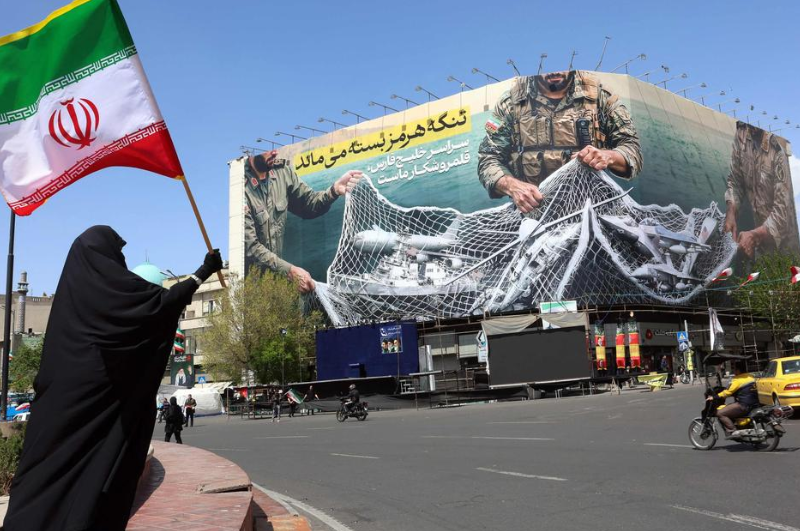
7 April 2026 Punjab Khabarnama Bureau : Tensions in the Middle East have escalated sharply as Donald Trump’s deadline for Iran approaches, with Tehran urging civilians to form “human chains” around key power plants in a dramatic show of resistance and national solidarity.
Iranian officials, particularly from the country’s youth and sports ministry, have called on young people, students, artists, and athletes to gather around major energy infrastructure sites. The move is being framed as a symbolic effort to protect national assets and send a strong message against potential U.S. strikes targeting civilian infrastructure.
The call comes amid escalating threats from Washington. Trump has warned that if Iran fails to meet his demands—primarily reopening the strategically critical Strait of Hormuz—the United States could launch sweeping attacks on Iran’s infrastructure, including bridges and power plants.
The Strait of Hormuz is one of the world’s most vital oil transit routes, handling a significant portion of global energy supplies. Iran’s continued restrictions in the region have heightened tensions, with global markets reacting to the possibility of prolonged disruption.
The planned “human chains” are expected to take place just hours before the deadline, signaling both defiance and concern within Iran. Officials have described the initiative as a grassroots idea proposed by youth groups, though critics argue it reflects the seriousness of the threat facing the country.
According to reports, millions of Iranians have expressed willingness to defend their country, highlighting the growing sense of urgency and national mobilization. The move also underscores the psychological dimension of the conflict, where symbolic acts are used to counter military pressure.
At the same time, the situation raises serious humanitarian concerns. International observers and organizations have warned that targeting civilian infrastructure such as power plants could have devastating consequences, potentially violating international law.
The conflict has already seen significant casualties and damage across the region. Airstrikes, missile exchanges, and retaliatory actions have intensified, affecting not only Iran but also neighboring countries. The risk of a broader regional war continues to grow as both sides maintain hardline positions.
Trump’s approach has combined military threats with the possibility of last-minute diplomacy. While he has indicated that the deadline is final, there are signs that negotiations are still ongoing behind the scenes. This dual strategy keeps pressure on Iran while leaving room for a potential agreement.
Iran, however, has rejected temporary solutions and is seeking a more comprehensive resolution to the conflict. Officials have criticized U.S. demands as excessive and have vowed to respond strongly to any attack.
The call for human chains has also sparked debate globally. Some see it as a powerful symbol of unity and resistance, while others view it as a risky move that could place civilians in harm’s way. The involvement of youth and public figures has particularly drawn attention.
Meanwhile, global markets remain on edge. Oil prices have surged amid fears of supply disruptions, reflecting the high stakes involved in the standoff. The outcome of the deadline could have far-reaching implications for the global economy.
Diplomatic efforts are intensifying, with several countries attempting to mediate and prevent further escalation. However, progress remains uncertain as both sides appear entrenched in their positions.
As the deadline approaches, the world is watching closely. The coming hours are likely to determine whether the situation moves toward de-escalation or enters a more dangerous phase.
In conclusion, Iran’s call for human chains around power plants highlights the gravity of the current crisis. With Trump’s deadline looming and tensions at a peak, the region stands at a critical juncture, where decisions made now could shape the course of the conflict.
Summary
Iran urged civilians to form human chains around power plants before Trump’s deadline, as tensions rise over possible U.S. strikes, increasing fears of escalation and global economic impact.