

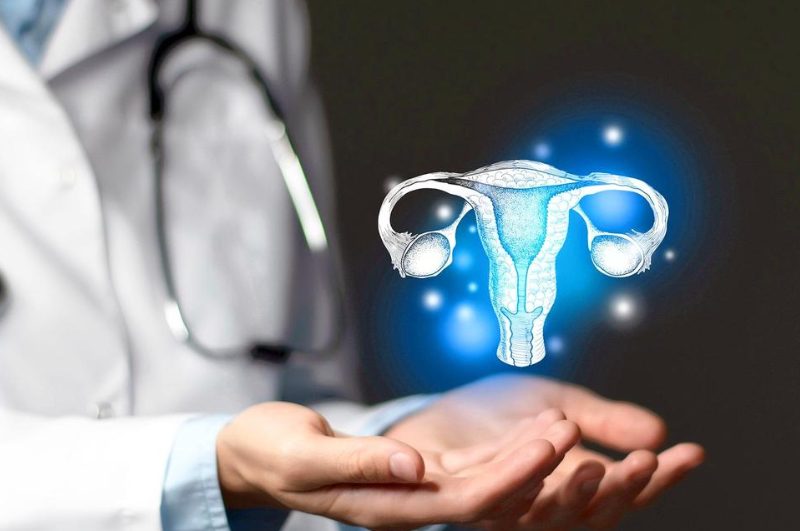
6 April 2026 Punjab Khabarnama Bureau : A growing body of research is highlighting the potential of microRNAs as powerful tools for the early detection and improved treatment of complex gynecological conditions such as Polycystic Ovary Syndrome and Endometriosis. Scientists believe that these tiny molecules could transform how these disorders are diagnosed and managed, offering hope to millions of women worldwide.
MicroRNAs are small, non-coding RNA molecules that play a crucial role in regulating gene expression. By influencing how genes are turned on or off, they help control a wide range of biological processes, including cell growth, differentiation, and immune responses. Their stability in blood and other body fluids makes them particularly promising as biomarkers for disease detection.
PCOS and endometriosis are among the most common yet underdiagnosed conditions affecting women’s reproductive health. PCOS is characterized by hormonal imbalance, irregular menstrual cycles, and the presence of cysts in the ovaries, while endometriosis involves the growth of tissue similar to the uterine lining outside the uterus, causing pain and potential infertility.
One of the biggest challenges in managing these conditions is delayed diagnosis. Many women experience symptoms for years before receiving a confirmed diagnosis, often due to the lack of reliable, non-invasive diagnostic tools. Current methods may involve imaging techniques or even surgical procedures, which can be costly and invasive.
Researchers are now exploring how microRNAs can serve as early indicators of these conditions. Studies have identified specific microRNA patterns associated with PCOS and endometriosis. By detecting these patterns through simple blood tests, doctors may be able to diagnose the conditions earlier and more accurately.
In the case of PCOS, microRNAs are believed to be involved in regulating hormone production and ovarian function. Abnormal microRNA expression can disrupt these processes, contributing to the development of the disorder. Identifying these changes early could help in predicting the onset of PCOS and initiating timely interventions.
For endometriosis, microRNAs may play a role in inflammation, tissue growth, and immune system responses. Certain microRNAs have been found at elevated levels in patients with the condition, suggesting that they could be used as biomarkers for early detection. This is particularly significant given that endometriosis often requires laparoscopic surgery for definitive diagnosis.
Beyond diagnosis, microRNAs also hold promise for improving treatment pathways. By targeting specific microRNAs, researchers aim to develop therapies that can address the underlying causes of these conditions rather than just managing symptoms. This approach could lead to more effective and personalized treatments.
For instance, therapies designed to modulate microRNA activity could help restore normal hormonal balance in PCOS or reduce abnormal tissue growth in endometriosis. Such targeted treatments could minimize side effects and improve patient outcomes compared to conventional therapies.
The use of microRNAs also opens the door to precision medicine, where treatments are tailored to an individual’s genetic and molecular profile. This could be particularly beneficial for conditions like PCOS and endometriosis, which can vary widely in their presentation and severity.
However, experts caution that while the findings are promising, more research is needed before microRNA-based diagnostics and treatments become widely available. Clinical trials and large-scale studies will be essential to validate these approaches and ensure their safety and effectiveness.
The integration of microRNA research into clinical practice will also require advancements in technology and infrastructure. Developing reliable testing methods and making them accessible to patients will be key challenges to address.
Despite these hurdles, the potential impact of microRNAs on women’s health is significant. Early detection can lead to timely treatment, reducing complications and improving quality of life for patients. It can also help in preventing long-term issues such as infertility and chronic pain.
Healthcare professionals emphasize the importance of awareness and education alongside scientific advancements. Encouraging women to seek medical advice for persistent symptoms and promoting regular health check-ups can complement new diagnostic tools.
The research into microRNAs reflects a broader trend in medicine toward understanding diseases at the molecular level. By uncovering the underlying mechanisms of conditions like PCOS and endometriosis, scientists are paving the way for more effective and targeted interventions.
In conclusion, microRNAs represent a promising frontier in the fight against PCOS and endometriosis. Their potential to enable early detection and guide better treatment strategies could transform the management of these conditions, offering new hope to millions of women worldwide.
Summary
MicroRNAs may enable early diagnosis and targeted treatment of PCOS and endometriosis, offering non-invasive testing and personalized therapies, though further research is needed before widespread clinical use.