

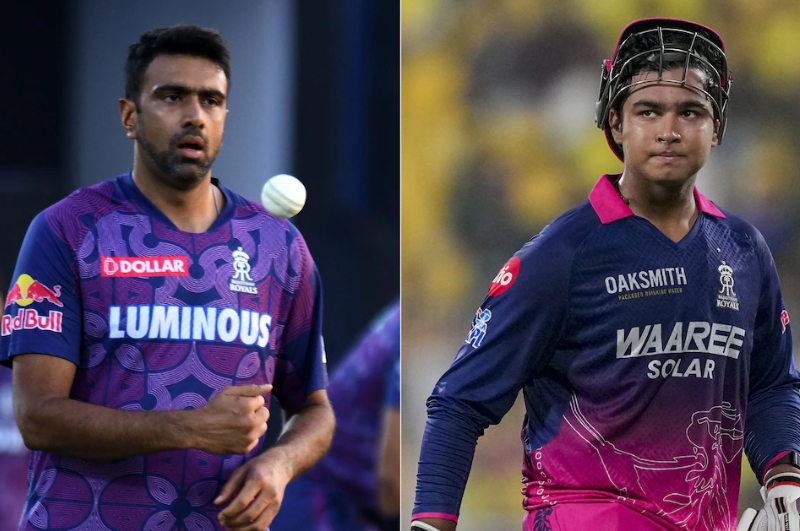
31 March 2026 Punjab Khabarnama Bureau : Veteran Indian cricketer Ravichandran Ashwin has sparked a fresh debate in the cricketing world after expressing his opposition to calls for an early international debut for young talent Vaibhav Sooryavanshi. His comments have put him at odds with several experts and former players who have been advocating fast-tracking the youngster into the Indian team.
The discussion began after Sooryavanshi’s impressive performances in domestic and franchise cricket caught the attention of selectors and fans alike. Many experts believe that his current form and potential make him a strong candidate for an early India debut, arguing that exposure at the highest level could accelerate his development.
However, Ashwin has taken a contrasting view. Speaking on the subject, he emphasized the importance of patience and proper grooming before introducing young players to international cricket. According to him, rushing a player into the national team can sometimes do more harm than good, especially if they are not fully prepared to handle the pressures of the international stage.
Ashwin pointed out that international cricket is vastly different from domestic or franchise leagues. The level of competition, scrutiny, and expectations is significantly higher, and not every young player is ready to cope with these challenges immediately. He argued that a premature debut could impact a player’s confidence if they fail to perform consistently.
Drawing from his own experience, Ashwin highlighted how gradual progression and strong domestic performances have traditionally been the pathway to success in Indian cricket. He stressed that players should be given enough time to develop their skills, understand different conditions, and build mental resilience before stepping onto the international stage.
His remarks have triggered mixed reactions within the cricketing community. Some experts have supported Ashwin’s perspective, agreeing that long-term development should take precedence over short-term excitement. They believe that nurturing talent carefully ensures sustainability and reduces the risk of burnout.
On the other hand, several analysts and former cricketers have argued in favor of giving opportunities to young players when they are in form. They contend that modern cricket, with its packed schedule and multiple formats, offers more opportunities for players to learn and adapt quickly. According to this view, early exposure can be beneficial if managed properly.
The debate also reflects a broader shift in cricketing philosophy. In recent years, teams around the world have shown a greater willingness to back young players early in their careers. The success of several young stars in international cricket has reinforced the belief that age is not necessarily a barrier to performance.
However, Ashwin’s cautionary stance serves as a reminder that each player’s journey is unique. While some thrive under early exposure, others may require more time to mature. Striking the right balance between opportunity and readiness remains a key challenge for selectors.
The role of the India national cricket team selectors becomes crucial in this context. They must evaluate not only a player’s current form but also their temperament, adaptability, and long-term potential. Decisions regarding debut timing can have a lasting impact on a player’s career trajectory.
For Sooryavanshi, the ongoing discussion has only increased attention on his performances. While the youngster continues to impress at the domestic level, he now finds himself at the center of a national debate about talent management and selection strategies.
Ashwin also emphasized the importance of shielding young players from excessive hype. He noted that media attention and public expectations can create additional pressure, which may affect a player’s performance and mental well-being. Allowing players to grow away from the spotlight, he suggested, could be more beneficial in the long run.
The conversation highlights the evolving nature of Indian cricket, where a deep talent pool provides multiple options for selectors. While this is a positive development, it also makes decision-making more complex, as there is constant pressure to identify and promote the next big star.
Ultimately, Ashwin’s comments underline a fundamental principle of sports development: timing is critical. Introducing a player too early or too late can both have consequences, and finding the right moment requires careful judgment.
In conclusion, Ravichandran Ashwin’s opposition to an early debut for Vaibhav Sooryavanshi has added an important perspective to the ongoing debate. While opinions remain divided, the discussion reflects the broader challenge of balancing immediate performance needs with long-term player development in Indian cricket.
Summary
R Ashwin opposes early India debut for Vaibhav Sooryavanshi, urging patience and proper development, while experts remain divided on whether young talent should be fast-tracked into international cricket.