

31 March 2026 Punjab Khabarnama Bureau : Punjab has recorded 597 sacrilege incidents over the past decade, highlighting a deeply sensitive issue that continues to challenge law enforcement, governance, and social harmony in the state. The data has reignited debate over the effectiveness of preventive measures and the need for stricter action against those responsible.
Sacrilege, particularly involving religious texts and places of worship, carries immense emotional weight in Punjab. The state, with its strong religious identity, has witnessed repeated incidents that have triggered protests, political debates, and, at times, law and order concerns.
According to official data presented in recent discussions, the 597 cases span various districts and involve different forms of sacrilege, including desecration of religious texts, vandalism at places of worship, and acts intended to hurt religious sentiments. While many cases have been investigated, a significant number remain unresolved, raising questions about accountability.
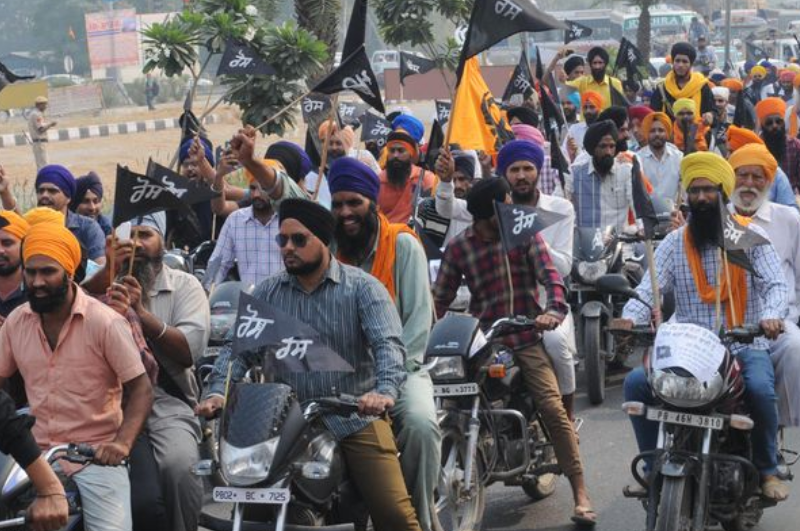
The issue gained national attention following high-profile incidents in the mid-2010s, which led to widespread protests across Punjab. These events not only disrupted normal life but also exposed gaps in intelligence, policing, and crisis management. Since then, successive governments have promised strict action and reforms to prevent such occurrences.
Despite these assurances, the steady number of reported cases suggests that the problem persists. Experts believe that multiple factors contribute to the issue, including social tensions, political motivations, and the misuse of religious sentiments. In some cases, sacrilege incidents have been linked to attempts to incite unrest or gain political mileage.
Law enforcement agencies have taken several steps to address the problem. Special investigation teams (SITs) have been formed to probe major cases, and surveillance around religious sites has been increased. Authorities have also emphasized community policing and cooperation with religious institutions to prevent incidents.
However, challenges remain. Investigating sacrilege cases can be complex due to the sensitive nature of the issue and the potential for public unrest. Delays in investigations and lack of conclusive evidence in some cases have further complicated the process.
Political parties in Punjab have frequently raised the issue, often accusing each other of failing to ensure justice. The matter has become a recurring theme in election campaigns, reflecting its significance in public discourse. Leaders have called for stricter laws, faster investigations, and harsher penalties to deter such acts.
Religious organizations have also expressed concern over the rising number of incidents. They have urged the government to take decisive action and ensure that those responsible are brought to justice. At the same time, they have appealed for peace and restraint to prevent escalation of tensions.
The social impact of sacrilege incidents extends beyond immediate reactions. Such events can deepen divisions within communities, create mistrust, and disrupt social harmony. Experts stress the importance of addressing the root causes, including misinformation, provocation, and lack of awareness.
Technology and social media have added another layer of complexity. Information about incidents can spread rapidly, sometimes leading to misinformation and heightened emotions. Authorities have been working to monitor online platforms and counter false narratives to maintain order.
Legal experts suggest that stronger enforcement of existing laws, along with faster judicial processes, could help improve the situation. Ensuring timely justice is seen as a key factor in restoring public confidence and deterring future incidents.
The government has reiterated its commitment to maintaining law and order and protecting religious sentiments. Officials have stated that efforts are ongoing to strengthen security measures, improve coordination among agencies, and enhance community engagement.
At the same time, there is a growing recognition that long-term solutions require a holistic approach. This includes promoting interfaith dialogue, increasing public awareness, and fostering a culture of respect and tolerance.
The issue also highlights the broader challenge of balancing freedom of expression with respect for religious beliefs. Policymakers must navigate this delicate balance while ensuring that laws are applied fairly and effectively.
For Punjab, addressing sacrilege incidents is not just a matter of law enforcement but also of social cohesion. The state’s history and cultural fabric make it particularly important to maintain harmony and mutual respect among communities.
In conclusion, the report of 597 sacrilege incidents over the past decade underscores the need for sustained and comprehensive efforts to tackle the issue. While steps have been taken, more needs to be done to ensure justice, prevent future incidents, and preserve the social harmony that is central to Punjab’s identity.
Summary
Punjab recorded 597 sacrilege incidents in 10 years, raising concerns over law and order. Authorities face pressure to ensure justice, strengthen prevention, and maintain social and religious harmony.