

25 March 2026 Punjab Khabarnama Bureau : In a significant step toward enhancing energy security, the Ministry of Petroleum and Natural Gas has issued new directives aimed at strengthening the country’s natural gas infrastructure. These measures focus on addressing delays in pipeline expansion, procedural bottlenecks, and lack of coordination among stakeholders.
As part of its long-term vision to promote natural gas as a cleaner fuel, the government has been actively working toward building a gas-based economy. Currently, the share of natural gas in India’s energy mix remains relatively low, and increasing this share is a key priority in the coming years.
The ministry highlighted several persistent challenges in infrastructure development, including delays in land acquisition, complex environmental clearance processes, and insufficient coordination between various agencies. These issues have led to setbacks in the timely completion of critical projects.
To tackle these obstacles, the ministry has directed all concerned agencies and state governments to streamline procedures and accelerate approval processes. It has also emphasized the need for a more robust coordination mechanism to ensure smoother project execution.
Additionally, time-bound targets have been set for gas pipeline projects, along with regular monitoring to ensure timely completion and prevent cost overruns.
The government aims to establish a strong and extensive gas pipeline network across the country, ensuring access to natural gas even in remote regions. This is expected to boost industrial growth while also making cleaner fuel available for domestic use.
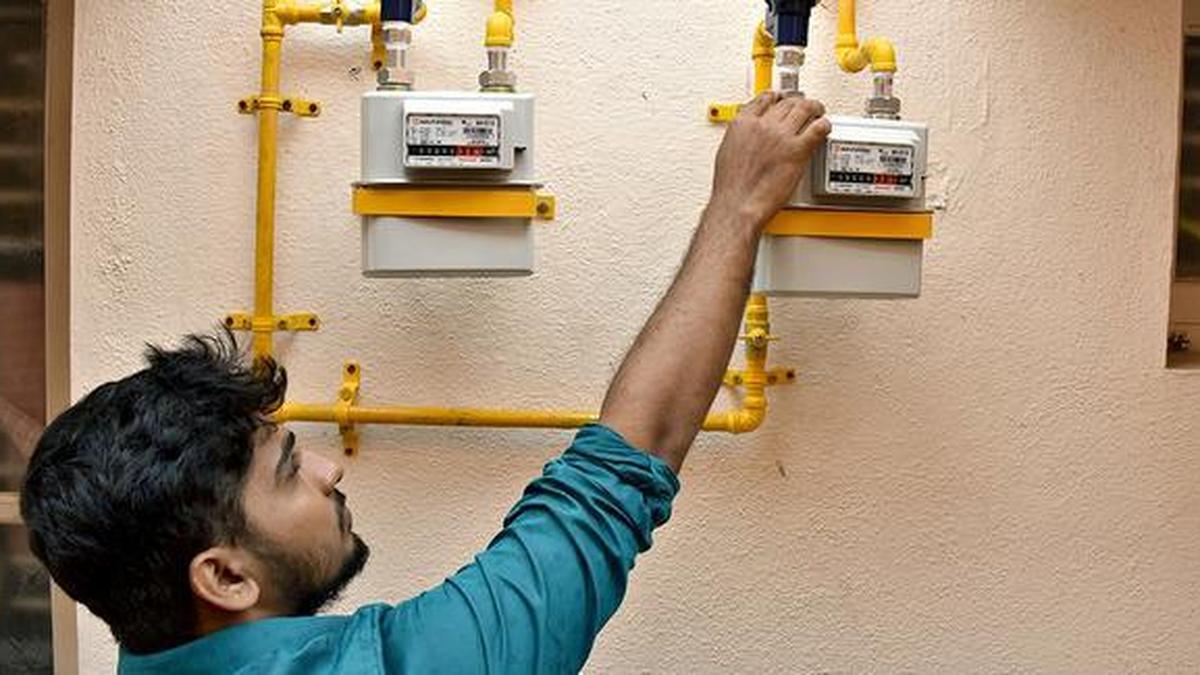
Special focus is also being given to the expansion of the City Gas Distribution (CGD) network, which supplies piped natural gas (PNG) to households and compressed natural gas (CNG) to vehicles and small industries. Expanding CGD infrastructure is expected to reduce pollution and improve energy efficiency.
The ministry has further stressed the importance of increasing private sector participation to accelerate investment. Policy reforms and an investor-friendly environment are being promoted to attract greater involvement from private players.
Developing natural gas infrastructure will also help reduce India’s dependence on energy imports, while supporting the country’s transition toward cleaner energy sources.
However, experts caution that policy announcements alone are not sufficient. Effective on-ground implementation and stronger coordination with state governments will be critical, as local-level challenges often slow down project progress.
Financial constraints remain another key concern, as large-scale infrastructure projects require substantial investment. Striking the right balance between public and private funding will be essential.
The use of digital technologies, such as smart monitoring systems and data analytics, is also expected to play a crucial role in improving pipeline management, maintenance, and efficiency.
Overall, the government’s objective is to build an energy system that is secure, affordable, and environmentally sustainable. Since natural gas is less polluting than conventional fuels like coal, increasing its usage will also support environmental goals.
Summary
The new directives issued by the Ministry of Petroleum and Natural Gas have the potential to accelerate the development of gas infrastructure in India. If implemented effectively, they could significantly strengthen energy security and fast-track the country’s transition toward cleaner energy.