

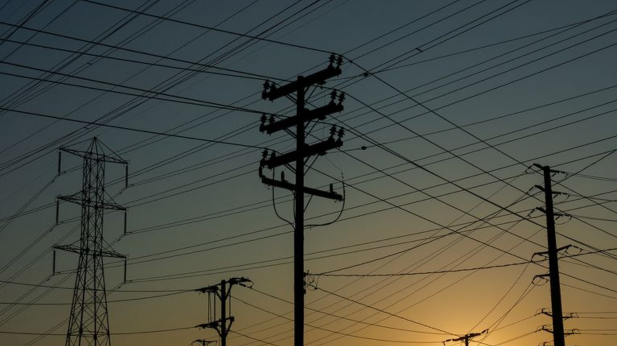
19 March 2026 Punjab Khabarnama Bureau : Electricity demand in Punjab has dropped sharply within just a few days after a noticeable fall in temperatures across the region. Officials said the state’s power consumption nearly halved as cooler weather reduced the need for air conditioners, coolers and other electricity-intensive appliances.
Power department data showed that the decline in temperature led to a significant reduction in peak electricity demand. With milder weather conditions prevailing in many parts of the state, households and businesses have been using less electricity compared to the previous days when temperatures were higher.
Authorities from Punjab State Power Corporation Limited said the change in weather played a major role in the sudden drop in demand. During hotter periods, power consumption typically rises sharply because of increased use of cooling devices.
Punjab often experiences spikes in electricity demand during warm weather, particularly when temperatures climb above seasonal averages. Air conditioners, refrigeration systems and irrigation pumps contribute heavily to the state’s electricity consumption during such periods.
However, the recent dip in temperature brought immediate relief to the power grid. With reduced demand, power plants and distribution systems faced less pressure to supply high levels of electricity.
Officials said that lower demand also helps reduce the need for expensive short-term power purchases from external sources. When electricity demand rises sharply, states sometimes buy additional power from the national grid or private producers to meet consumption requirements.
The fall in demand therefore not only eases the load on the system but can also help the state save costs related to emergency power procurement.
Weather patterns play a crucial role in determining electricity consumption levels. Cooler conditions generally reduce energy usage in residential and commercial sectors, while extreme heat or cold can lead to sudden spikes in demand.
Experts say such fluctuations are common during seasonal transitions when temperatures change quickly over short periods. Power utilities closely monitor weather forecasts to plan generation and supply strategies accordingly.
In addition to weather conditions, agricultural activity also influences electricity demand in Punjab. Farmers rely on electric pumps for irrigation, and electricity usage often rises during peak farming seasons.
Despite the recent decline, officials expect power demand to rise again if temperatures increase in the coming weeks. Seasonal weather changes can quickly alter electricity consumption patterns across the state.
Energy planners continue to track demand trends to ensure that adequate power supply remains available for households, businesses and agricultural users.
For now, the drop in temperature has provided temporary relief to the power infrastructure in Punjab while also lowering electricity consumption across the state.
Summary
Punjab’s electricity demand dropped by nearly half within days after temperatures fell, reducing the need for cooling appliances and easing pressure on the state’s power supply system.