

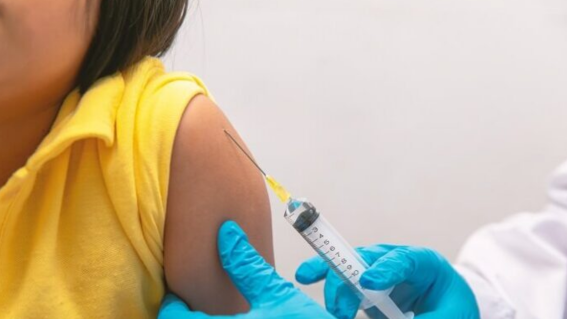
26 February 2026 Punjab Khabarnama Bureau : New Delhi — The Government of India has announced the launch of a nationwide free HPV (Human Papillomavirus) vaccination drive targeting 14-year-old girls, aiming to significantly reduce the risk of cervical cancer in the country. The initiative marks one of the largest public health campaigns against a virus-linked cancer in India’s history.
Program Overview
The vaccination program is part of India’s broader efforts to eliminate cervical cancer as a public health problem, following recommendations from the World Health Organization (WHO). Under the drive, every 14-year-old girl enrolled in schools or registered at health centers will receive the HPV vaccine at no cost.
Health authorities aim to achieve universal coverage among adolescent girls, prioritizing government and private schools, as well as out-of-school adolescents through community health centers and outreach programs.
HPV and Cervical Cancer Risk
HPV is a common viral infection, with certain high-risk strains responsible for almost all cases of cervical cancer. India accounts for a significant share of the global cervical cancer burden, with an estimated 123,000 new cases and over 77,000 deaths annually.
By vaccinating adolescents before they become sexually active, the program seeks to prevent HPV infection and thereby drastically reduce the incidence of cervical cancer over the coming decades.
Vaccine Details and Schedule
The vaccine being administered is safe, effective, and approved by India’s Central Drugs Standard Control Organization (CDSCO). It is given in two doses, six months apart, as recommended by WHO for girls in this age group.
Health experts emphasize that early vaccination is crucial because immunity develops best when administered before exposure to the virus. Adverse effects are generally mild, including temporary pain at the injection site or low-grade fever.
Implementation Strategy
The Ministry of Health and Family Welfare will coordinate with state governments, schools, and community health centers to ensure smooth implementation. Teachers, community health workers, and nurses will receive training to handle vaccinations, maintain records, and educate families about the benefits of the vaccine.
Special campaigns will also focus on out-of-school girls, ensuring that no eligible adolescent is left unvaccinated. Mobile health units and local health workers will facilitate coverage in remote and rural areas.
Public Health Impact
Experts believe that widespread HPV vaccination could dramatically reduce cervical cancer mortality in India. Studies indicate that countries with high HPV vaccine coverage have seen 70–90% reductions in HPV-related infections and precancerous cervical lesions among vaccinated populations.
Dr. Meena Rao, a leading oncologist, stated, “This nationwide vaccination drive is a landmark step in preventing cervical cancer. By reaching girls early, we are empowering them with protection against one of the most common cancers affecting women in India.”
Education and Awareness
The vaccination drive will be complemented by public awareness campaigns. Schools and community centers will distribute educational materials to students and parents, emphasizing the importance of the vaccine and dispelling myths about its safety.
Parents are encouraged to support their daughters’ participation, as family consent is a critical component of the program. Health authorities aim to build trust through transparent communication and engagement with local communities.
Global Comparisons
Several countries, including Australia, the UK, and Canada, have successfully implemented HPV vaccination programs, resulting in a significant decline in cervical cancer incidence. India’s nationwide rollout represents a similar effort to integrate preventive healthcare into routine adolescent immunization schedules.
The program aligns with India’s commitment to the WHO Global Strategy to Accelerate the Elimination of Cervical Cancer, which targets 90% HPV vaccination coverage among girls by 2030.
Future Outlook
The government plans to monitor vaccination coverage, vaccine safety, and long-term effectiveness through a robust data collection system. Lessons learned from this program could pave the way for expanded HPV vaccination efforts, potentially including boys and other high-risk populations in the future.
By preventing HPV infection early in life, India can anticipate a substantial decline in cervical cancer cases and deaths over the next few decades, reducing both the human and economic burden of this disease.
Conclusion
The nationwide HPV vaccination drive for 14-year-old girls represents a major milestone in India’s public health landscape. Through free access, strategic outreach, and community engagement, the program seeks to safeguard the next generation of women from cervical cancer, reflecting a proactive and preventive approach to healthcare.
Summary:
India launches a nationwide free HPV vaccination drive targeting 14-year-old girls, aiming to prevent cervical cancer, improve adolescent health, and align with global efforts to eliminate HPV-related diseases.