

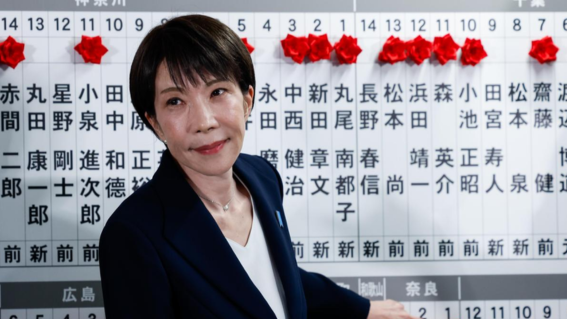
9 February 2026 Punjab Khabarnama Bureau : Japan has entered a historic moment as Sanae Takaichi emerges as the country’s first woman Prime Minister, breaking a political glass ceiling that has stood since modern Japan’s founding. Her rise to the top post marks a significant shift in a nation long dominated by male leadership and signals changing attitudes toward gender roles in Japanese politics.
Takaichi, a veteran lawmaker and prominent conservative voice, has been a key figure in national politics for decades. Known for her firm stance on economic reform, national security, and technological innovation, she now takes office at a time when Japan faces major domestic and global challenges.
A Historic First for Japan
Despite being one of the world’s largest economies, Japan has consistently ranked low in global gender equality indices. The appointment of Sanae Takaichi as Prime Minister is therefore being seen as a watershed moment, both symbolically and politically.
Political observers say her elevation reflects growing pressure within Japan to modernise its leadership structure and better represent women in decision-making roles.
“This is not just a personal milestone for Takaichi,” analysts note, “but a turning point for Japan’s democracy.”
Political Journey and Background
Sanae Takaichi began her political career in the 1990s and steadily built a reputation as a strong administrator and policy-focused leader. She has previously held key ministerial portfolios, including internal affairs and communications, where she worked on digital governance, broadcasting reforms, and cybersecurity policy.
A close ally of conservative leadership within the ruling party, Takaichi is known for her clear ideological positions, strong communication style, and emphasis on national resilience.
Policy Priorities Ahead
As Prime Minister, Takaichi is expected to focus on:
- Economic revitalisation, particularly boosting innovation and domestic manufacturing
- National security, amid regional tensions in East Asia
- Demographic challenges, including Japan’s ageing population and declining birth rate
- Women’s workforce participation, a topic now under sharper focus given her own historic role
Supporters believe her leadership could accelerate long-stalled conversations on workplace reform and gender inclusion.
Mixed Reactions Across Society
Reactions to Takaichi’s appointment have been mixed but intense. Many citizens, particularly younger voters and women, have welcomed the moment as long overdue. Social media platforms have been flooded with messages calling it a “new era” for Japan.
At the same time, critics argue that symbolic change must be followed by substantive policy reforms to truly improve gender equality and social mobility.
Global Attention and Diplomatic Impact
Internationally, Takaichi’s appointment has drawn significant attention. World leaders and global media outlets have highlighted the moment as a major shift in Japanese politics, with expectations that Japan’s voice on global gender issues may grow stronger.
Diplomats say her leadership style and ideological clarity will be closely watched, especially in dealings with the United States, China, and regional partners.
A Defining Moment
As Sanae Takaichi assumes office, expectations are high and challenges immense. Whether she reshapes Japan’s political culture or simply marks a historic exception will depend on the policies she delivers and the reforms she champions.
For now, her ascent stands as a powerful symbol—one that redefines what leadership looks like in Japan and opens the door for future generations of women in politics.
Summary
Sanae Takaichi has made history as Japan’s first woman Prime Minister, breaking long-standing political barriers and ushering in a new chapter amid high expectations for reform and leadership change.