

3 February 2026 Punjab Khabarnama Bureau : One of the most persistent and harmful myths in cancer care is the belief that doing a biopsy can spread cancer. This fear leads many patients to delay or refuse diagnostic tests—often at the cost of early detection and timely treatment. Medical experts now stress that this misconception has no scientific basis and is responsible for avoidable cancer progression in many cases.
An oncology expert explains why biopsies are not only safe but essential for accurate cancer diagnosis and treatment planning.
What Is a Biopsy?
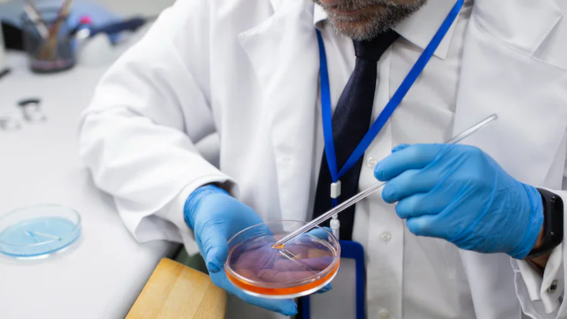
A biopsy is a medical procedure in which a small sample of tissue or cells is removed from the body and examined under a microscope to determine whether cancer or another disease is present.
Biopsies can be done in several ways:
- Needle biopsy (fine needle or core needle)
- Endoscopic biopsy
- Skin biopsy
- Surgical biopsy
The choice depends on the location, size, and suspected nature of the abnormality.
The Myth: “Biopsies Spread Cancer”
The idea that biopsies cause cancer to spread has circulated for decades, often fueled by anecdotal stories and misinformation. According to oncologists, this belief is scientifically incorrect and medically dangerous.
“There is no credible evidence that a properly performed biopsy causes cancer to spread,” the expert says. “This myth delays diagnosis and directly affects survival outcomes.”
What Science Actually Says
Modern medical research has consistently shown that:
- Biopsies do not trigger cancer spread
- Cancer spread (metastasis) is a biological process driven by tumor genetics—not by diagnostic procedures
- Biopsies are performed using sterile, controlled techniques designed to minimize tissue disturbance
In extremely rare cases, a phenomenon called needle tract seeding has been reported, but experts emphasize that:
- It is exceptionally uncommon
- It does not affect overall survival
- The benefits of early diagnosis far outweigh this minimal risk
Why Biopsies Are Critical
A biopsy is often the only definitive way to confirm whether a tumor is cancerous. Imaging tests like CT scans, MRIs, or ultrasounds can suggest cancer—but cannot confirm it.
A biopsy helps determine:
- Whether the tumor is benign or malignant
- The type and grade of cancer
- Molecular markers that guide targeted therapy
- The most effective treatment plan
Without a biopsy, doctors may be forced to guess, leading to delayed or incorrect treatment.
How the Myth Causes Harm
Experts warn that fear of biopsy leads to:
- Late-stage cancer diagnosis
- Missed treatment windows
- Reduced survival rates
- Increased emotional and financial burden
“Many patients come to us months or even years later with advanced disease because they were afraid of a biopsy,” the oncologist explains. “By then, treatment options are limited.”
Do Surgical Procedures Spread Cancer?
Another related fear is that surgery or cutting into a tumor causes cancer to spread. Experts clarify that:
- Cancer spread does not occur simply because a tumor is touched or sampled
- Surgeons follow strict oncological principles to prevent tumor dissemination
- Surgery is often the most effective curative treatment for early-stage cancers
In fact, avoiding surgery when it is indicated poses a far greater risk.
How Biopsies Are Made Safe
Modern biopsy techniques are designed for safety and precision:
- Imaging guidance (CT, ultrasound, MRI) ensures accuracy
- Minimal tissue disruption
- Sterile instruments and protocols
- Experienced specialists perform procedures
Complications such as bleeding or infection are rare and usually minor.
When Should You Not Delay a Biopsy?
Experts strongly advise not delaying a biopsy if you experience:
- A lump that is growing or hard
- Unexplained weight loss
- Persistent pain or swelling
- Abnormal bleeding
- Non-healing sores
Early diagnosis can dramatically improve outcomes—especially in breast, cervical, oral, colon, and lung cancers.
Emotional Barriers and Misinformation
Social media and word-of-mouth misinformation have amplified biopsy fears. Doctors encourage patients to:
- Ask qualified medical professionals
- Avoid unverified online sources
- Seek second opinions if unsure
“Fear should never guide medical decisions,” the expert emphasizes. “Facts should.”
Expert Verdict
The oncologist’s conclusion is clear and firm:
“A biopsy does not spread cancer. Delaying a biopsy, however, can allow cancer to spread on its own.”
Biopsies remain a cornerstone of modern oncology and save lives by enabling early, precise, and personalized treatment.
Final Takeaway
The myth that biopsies spread cancer is false—and believing it can be life-threatening. Early diagnosis through biopsy leads to better treatment options, higher survival rates, and improved quality of life.
If a doctor recommends a biopsy, it is because it is the safest and smartest next step, not a risk to be feared.
Summary:
Experts confirm biopsies do not spread cancer. This common myth delays diagnosis and worsens outcomes, while timely biopsies enable early detection, accurate treatment planning, and significantly better survival rates.