

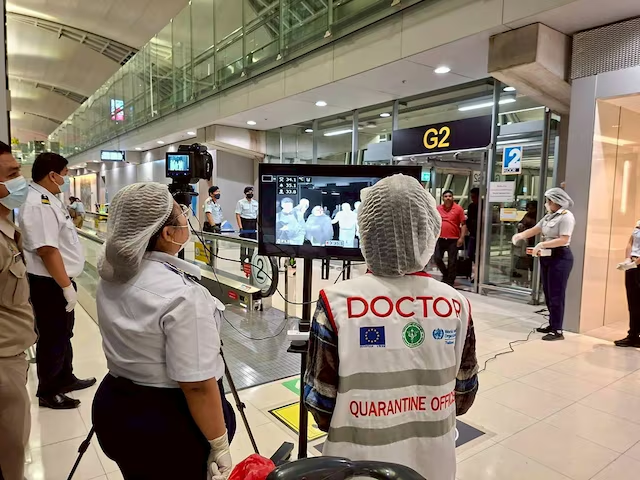
30 January 2026 Punjab Khabarnama Bureau : The World Health Organization (WHO) has said that the risk of the Nipah virus spreading beyond India remains low, even as health authorities continue to closely monitor cases and strengthen containment measures. The assessment brings cautious reassurance amid public concern, while also underscoring the need for sustained surveillance, early detection, and strict infection-control practices.
Nipah virus is a zoonotic disease that can spread from animals to humans and, in some cases, from human to human through close contact. It is known for causing severe illness, including acute respiratory infection and fatal encephalitis. Because of its high fatality rate and lack of a specific treatment or vaccine, every outbreak draws intense scrutiny from global health agencies.
WHO’s Risk Assessment
According to WHO, current evidence suggests that the likelihood of international spread is limited. The organization noted that the outbreak is geographically contained, with cases linked through identifiable transmission chains. Prompt public health responses, including isolation of patients, contact tracing, and community awareness, have significantly reduced the risk of wider transmission.
WHO emphasized that India has prior experience in managing Nipah outbreaks, particularly in Kerala, and has demonstrated strong outbreak response capabilities. These include rapid laboratory confirmation, coordinated action between state and central authorities, and transparent communication with international health bodies.
Why the Risk Is Considered Low
One of the main reasons WHO considers the risk of global spread to be low is the nature of Nipah virus transmission. Unlike airborne viruses such as influenza or COVID-19, Nipah does not spread easily. Human-to-human transmission typically requires close, prolonged contact with bodily fluids of an infected person.
In addition, surveillance systems in affected regions have been activated quickly. Suspected cases are being tested promptly, and those confirmed are isolated in healthcare facilities equipped to manage infectious diseases. International travel-related spread is also considered unlikely, as symptomatic individuals are usually too ill to travel long distances, and exit screening measures further reduce risk.
India’s Response Measures
Indian health authorities have stepped up containment efforts, including active surveillance of contacts, quarantine protocols, and temporary restrictions in affected areas where necessary. Hospitals have been advised to follow strict infection prevention and control measures, especially for healthcare workers who are at higher risk of exposure.
Public advisories have also been issued to discourage misinformation and panic. Authorities have urged people to avoid consuming fruits that may be contaminated by bats—natural reservoirs of the virus—and to report symptoms such as fever, headache, or altered mental status promptly.
WHO has praised these measures, noting that early and decisive action is crucial in preventing escalation. The organization continues to provide technical guidance and support to national and state-level health agencies.
Understanding Nipah Virus
Nipah virus was first identified in 1999 during an outbreak in Malaysia. Since then, sporadic outbreaks have been reported in South and Southeast Asia. Fruit bats of the Pteropus species are considered the natural hosts, and transmission to humans can occur through direct contact with infected animals or consumption of contaminated food.
Symptoms typically appear within 5 to 14 days of exposure, though incubation periods can vary. Initial signs include fever, headache, and muscle pain, which may progress to dizziness, confusion, and acute encephalitis. The case fatality rate has historically ranged between 40% and 75%, depending on outbreak conditions and healthcare access.
Global Preparedness and Monitoring
While the immediate risk beyond India is assessed as low, WHO has reiterated the importance of global preparedness. Countries in the region have been advised to maintain vigilance, strengthen laboratory capacities, and ensure healthcare workers are trained to recognize and manage potential cases.
WHO also highlighted the importance of sharing data and genetic sequencing information to better understand the virus and its transmission patterns. Such collaboration helps global health agencies assess evolving risks and update response strategies in real time.
Balancing Reassurance With Caution
Public health experts say the WHO’s assessment should not lead to complacency. Nipah virus remains a serious threat due to its high mortality rate and pandemic potential if transmission dynamics change. Continuous monitoring, community engagement, and adherence to public health guidelines are essential to keeping outbreaks under control.
Experts also stress the need for long-term investment in research, including the development of vaccines and antiviral treatments. Several experimental therapies are under study, but none are yet approved for widespread use.
Lessons From Past Outbreaks
India’s handling of previous Nipah outbreaks has been widely regarded as effective, offering valuable lessons in outbreak management. Rapid identification, clear communication, and community cooperation have played a key role in containing the virus in the past.
WHO officials note that these experiences strengthen confidence in India’s ability to manage current and future cases, further supporting the assessment that the risk of international spread remains low.
The Road Ahead
As the situation continues to be monitored, WHO and Indian authorities remain focused on prevention, preparedness, and public awareness. The message from health experts is clear: while there is no cause for panic, vigilance is essential.
By maintaining strong surveillance systems and evidence-based responses, health agencies aim to ensure that Nipah virus remains contained, protecting both national and global public health.
Summary:
WHO has assessed the risk of Nipah virus spreading beyond India as low, citing effective containment, limited transmission, and strong surveillance, while urging continued vigilance and preparedness.