

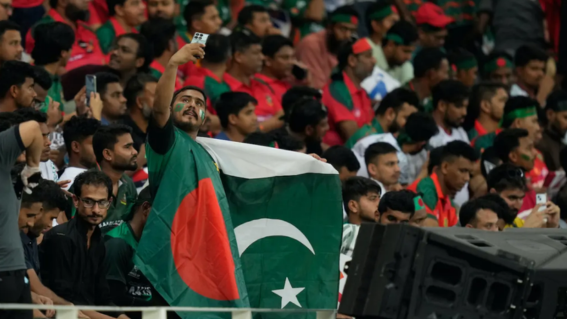
21 January 2026 Punjab Khabarnama Bureau : The ongoing crisis surrounding the upcoming T20 World Cup has intensified after the Pakistan Cricket Board (PCB) formally wrote to the International Cricket Council (ICC), extending its support to Bangladesh’s stance in the growing dispute over tournament-related decisions. The development has added a new layer of complexity to an already sensitive situation, raising concerns about unity within international cricket administration.
According to sources familiar with the matter, the PCB’s communication to the ICC emphasized the need for fair treatment, transparency, and consistency in decision-making. The board reportedly echoed Bangladesh’s concerns, arguing that member nations must be treated equally when it comes to critical issues such as venue selection, scheduling, and logistical arrangements.
Background of the Dispute
The controversy began when Bangladesh raised objections to certain arrangements linked to the T20 World Cup, believed to involve concerns over venues, operational clarity, and perceived imbalance in decision-making. While official details have been kept limited, insiders suggest that Bangladesh feels its concerns were not given due weight during internal ICC deliberations.
The issue escalated when Bangladesh sought greater clarity and safeguards from the ICC, prompting discussions within the cricketing community about governance, fairness, and accountability at the highest level of the sport.
PCB’s decision to back Bangladesh publicly marks a significant shift in tone, as it signals that the concerns are not isolated but shared by other major cricket boards.
PCB’s Stand: Call for Fairness and Dialogue
In its letter, the PCB is understood to have urged the ICC to adopt a more consultative approach, especially on matters that directly affect participating nations. Officials believe that unilateral decisions, even if taken with good intentions, risk undermining trust among member boards.
PCB officials have long advocated for what they describe as “balanced governance” within world cricket. By supporting Bangladesh, the board appears to be reinforcing its long-held position that smaller or mid-tier cricketing nations deserve the same consideration as the sport’s more powerful stakeholders.
A senior PCB source indicated that the board’s stance is not confrontational but rooted in the belief that transparent governance is essential for the credibility of global cricket.
Implications for ICC and Tournament Planning
The ICC now finds itself in a delicate position. With more than one member board expressing dissatisfaction, the governing body may be forced to re-evaluate its approach to communication and decision-making. Any perception of bias or lack of consultation could damage the ICC’s credibility at a time when the sport is seeking to expand its global footprint.
Cricket analysts believe the issue could have long-term implications beyond the current tournament. “This is not just about one event. It’s about how decisions are made and whether member boards feel heard,” said a former international administrator.
The ICC is yet to issue a detailed public response, but insiders suggest that internal discussions are underway to prevent the dispute from escalating further.
Unity of Cricket Boards Under Strain
The PCB’s support for Bangladesh highlights a broader issue within international cricket: the growing divide between member boards on governance matters. While the ICC is meant to function as a collective body representing all nations, disagreements over influence, power dynamics, and decision-making authority have surfaced repeatedly in recent years.
Several observers believe that such disputes, if left unresolved, could weaken the sense of unity that international tournaments depend upon. Fans, meanwhile, worry that administrative conflicts could overshadow the cricket itself.
Fans and Former Players React
The crisis has sparked debate among fans and former cricketers across social media platforms. Some have praised the PCB for standing up for what they see as fairness and equality, while others fear that public disagreements among boards could harm the sport’s image.
Former players have urged all parties to resolve the matter through dialogue rather than confrontation. Many have stressed that the ultimate priority should be ensuring that the tournament proceeds smoothly and that players are not caught in the middle of administrative disputes.
What This Means for the T20 World Cup
As of now, the tournament’s schedule and planning remain officially unchanged. However, the growing tension behind the scenes has raised concerns about potential delays, last-minute changes, or further disagreements if the ICC fails to address the concerns raised by Bangladesh and supported by the PCB.
Cricketing experts emphasize that the ICC must act swiftly and diplomatically. A failure to manage the situation effectively could set a troubling precedent for future tournaments and international cooperation.
The Road Ahead
With the PCB now firmly backing Bangladesh, attention shifts to how the ICC will respond. Observers believe the governing body may initiate additional consultations with member boards to demonstrate openness and restore confidence.
The episode serves as a reminder that while cricket thrives on competition on the field, its administration must be built on collaboration off the field. Transparent communication, mutual respect, and inclusive governance will be essential to prevent similar crises in the future.
For now, the cricketing world watches closely as one of the sport’s biggest governing challenges unfolds just months before a marquee global event.
Summary
PCB has written to the ICC supporting Bangladesh’s stance in the ongoing T20 World Cup dispute, intensifying pressure on the global body and raising questions about transparency, fairness, and governance in international cricket administration.