

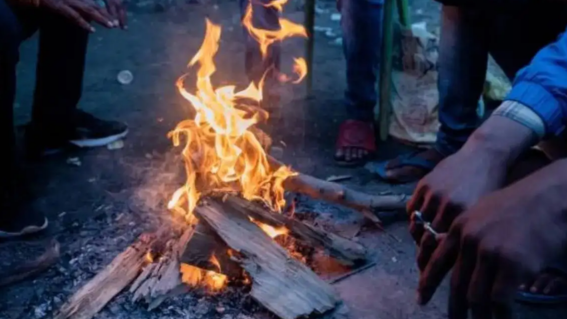
16 January 2026 Punjab Khabarnama Bureau : As cold wave conditions continue to affect northern India, the issue of Punjab Winter Holidays 2026 has become a major topic of discussion among students, parents, and educators across the state. With temperatures dropping sharply in several districts, there is a growing demand for the Punjab government to consider extending the ongoing winter vacation for schools. At the center of this discussion is Punjab Education Minister Harjot Singh Bains, who is being urged by families and school communities to prioritize student health and safety.
Over the past few days, parents’ associations and school management committees have increasingly voiced concerns over children returning to school in extreme cold conditions. Many parents believe that young children, in particular, are vulnerable to seasonal illnesses such as flu, cold infections, and respiratory problems, which tend to increase during harsh winter spells. Social media platforms have also seen a surge in posts requesting the state government to extend holidays for at least a few more days.
Teachers have echoed similar concerns. Several educators have pointed out that attendance during extreme weather conditions is likely to remain low even if schools reopen as scheduled. According to them, extending holidays could ensure both safety and fairness, especially for students who travel long distances or rely on public transport. In rural areas, where fog and cold can severely impact daily routines, the challenges are even greater.
The demand for extending winter vacations is not new. In previous years, the Punjab government has occasionally revised holiday schedules in response to weather conditions. Such decisions were usually taken after reviewing temperature trends, health advisories, and feedback from district administrations. This has led many to believe that the government may once again consider a similar step if cold conditions persist.
Education Minister Harjot Singh Bains has not made a final announcement yet, but officials have indicated that the situation is being closely monitored. Sources suggest that the education department is in regular contact with district officials to assess ground realities, including weather conditions, school readiness, and student well-being. Any decision, they say, will be taken keeping in mind the best interests of students.
The debate also highlights the broader challenge of balancing academic schedules with student welfare. While parents and teachers advocate for extended holidays, some educators worry that prolonged breaks could disrupt the academic calendar. With examinations, syllabus completion, and learning assessments already tightly scheduled, extending holidays may require adjustments later in the year.
However, many education experts argue that student health should take priority over rigid academic timelines. They emphasize that learning outcomes are deeply connected to student well-being, and forcing attendance in difficult weather conditions may do more harm than good. Some schools have already begun exploring alternative options, such as online classes or hybrid learning, to ensure continuity of education without compromising safety.
Students themselves have also joined the conversation, with many expressing hope that the holidays will be extended. For younger children, winter vacations are seen as a time for rest and family bonding, while older students cite the difficulty of early-morning travel in dense fog and freezing temperatures. Their voices, amplified through social media and student groups, have added momentum to the public appeal.
The situation in Punjab reflects a wider trend across northern India, where several states often face similar decisions during winter. Governments are increasingly expected to respond swiftly to changing weather conditions, particularly when children’s safety is involved. Public expectations around responsive governance have grown, with citizens looking for timely decisions rather than delayed reactions.
Parents have also stressed that extending holidays is not just about convenience but about preventing health risks. Pediatricians have warned that exposure to extreme cold, especially in poorly heated classrooms, can lead to increased absenteeism due to illness. Many government schools, particularly in rural areas, lack adequate heating facilities, making classrooms uncomfortable during peak winter days.
Some parent groups have suggested that if holidays cannot be extended significantly, schools should at least consider revising timings, such as starting classes later in the morning, to avoid the coldest hours. This compromise approach has been adopted in some regions in the past and is being discussed again as a possible alternative.
As of now, all eyes are on the education department’s next announcement. The decision taken by Harjot Singh Bains will be closely watched, not only by Punjab’s school communities but also by observers across the education sector. It will signal how the government balances administrative planning with public sentiment and student welfare.
Whatever the outcome, the current debate has highlighted the importance of flexibility in educational policymaking. Weather conditions, health concerns, and student safety are realities that cannot be ignored. The demand for extending winter holidays in Punjab is ultimately a reminder that education systems must adapt to the needs of the people they serve.
Summary
Students and parents across Punjab are urging Education Minister Harjot Singh Bains to extend winter holidays amid severe cold, citing health concerns, low attendance, and safety issues, as authorities continue monitoring the situation.