

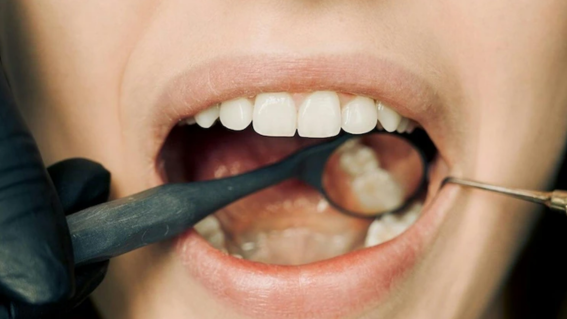
16 January 2026 Punjab Khabarnama Bureau : A new scientific study has revealed that the bacteria living inside the human mouth may serve as an early indicator of a person’s risk of developing chronic liver disease, opening the door to simpler, non-invasive methods of detection and prevention. Researchers believe this discovery could significantly change how doctors screen patients for liver-related illnesses in the future.
The human mouth is home to trillions of microorganisms, collectively known as the oral microbiome. While these bacteria play an important role in maintaining oral health, scientists are increasingly discovering that they also influence the health of other organs. The latest findings suggest a strong connection between imbalances in oral bacteria and the development of chronic liver conditions.
According to the study, individuals who showed higher levels of harmful bacteria and lower levels of beneficial bacteria in their mouths were more likely to exhibit markers associated with liver damage. Researchers observed that certain bacterial patterns appeared consistently in people diagnosed with chronic liver disease, suggesting that oral microbiome analysis could be used as a predictive tool.
Chronic liver disease is a growing global health concern. It includes conditions such as fatty liver disease, hepatitis-related liver damage, cirrhosis, and liver failure. Often, these conditions develop silently over many years, with symptoms appearing only after significant damage has already occurred. This makes early detection extremely challenging.
Traditionally, liver disease is diagnosed through blood tests, imaging scans, and sometimes invasive procedures like biopsies. However, these methods can be expensive, uncomfortable, and inaccessible to large populations. Researchers believe that analyzing saliva or oral swabs could provide a simple, affordable, and non-invasive alternative for identifying people at risk before serious damage occurs.
The study highlights that inflammation may be the key link between oral bacteria and liver health. Harmful bacteria in the mouth can trigger chronic inflammation in the body, which in turn may affect the liver over time. Additionally, bacteria and their toxins can enter the bloodstream through gum disease or poor oral hygiene, potentially contributing to liver stress and long-term damage.
Experts say this research strengthens the growing understanding that oral health is deeply connected to overall health. Poor dental hygiene has already been linked to heart disease, diabetes, and respiratory problems. The new findings suggest that the liver may also be significantly influenced by the state of the mouth.
Public health specialists believe these findings could lead to a shift in healthcare strategies. Routine dental check-ups may one day play a role not only in preventing cavities and gum disease but also in identifying patients who need further medical screening for systemic conditions such as liver disease. Dentists and doctors could work more closely together to monitor high-risk individuals.
The study also emphasizes the importance of maintaining good oral hygiene habits. Regular brushing, flossing, hydration, and dental visits may not only protect teeth and gums but could also contribute to reducing the risk of serious diseases. While oral hygiene alone cannot prevent liver disease, it may become an important part of broader preventive care.
Researchers caution that while the findings are promising, more large-scale studies are needed before oral bacteria testing becomes part of routine medical practice. Factors such as diet, smoking, alcohol consumption, genetics, and overall health also influence both the oral microbiome and liver condition, meaning results must be interpreted carefully.
Medical experts are optimistic that this research could eventually lead to personalized healthcare approaches, where a simple saliva sample could help assess a person’s disease risk and guide lifestyle changes or early treatment. Such innovation would be especially valuable in countries where access to advanced medical testing is limited.
The findings also reinforce the importance of public awareness. Many people still underestimate the impact of oral health on the rest of the body. Doctors hope this study will encourage individuals to take dental care more seriously and view it as part of overall wellness rather than a separate concern.
As science continues to uncover connections between different systems of the body, studies like this highlight how interconnected human health truly is. The mouth, often seen as separate from the rest of the body, may hold critical clues to preventing serious diseases long before symptoms appear.
Summary
A new study suggests that specific patterns of mouth bacteria can help predict the risk of chronic liver disease, offering potential for early, non-invasive screening and reinforcing the strong link between oral health and overall wellbeing.