

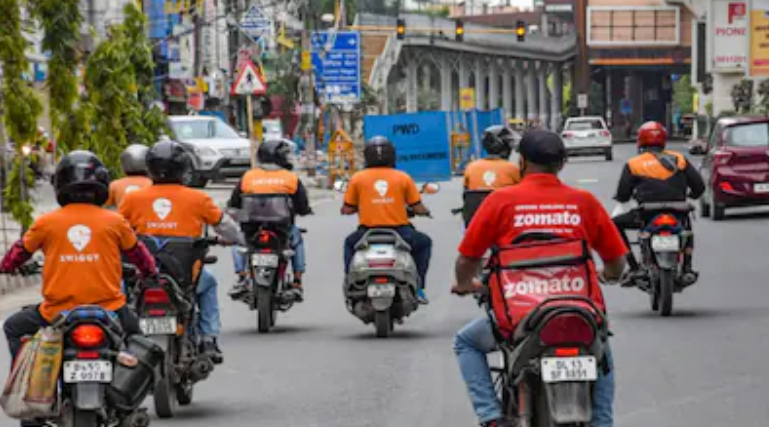
31 December 2025 Punjab Khabarnama Bureau : Gig workers across India have called a nationwide strike today, triggering widespread disruption to food delivery, grocery delivery and quick-commerce services in several major cities. The protest, timed on one of the busiest days of the year, reflects growing anger among app-based workers over pay cuts, unsafe working conditions and lack of legal protection in the rapidly expanding gig economy.
Delivery partners associated with platforms such as food delivery apps, quick-commerce services and e-commerce logistics companies have collectively logged off their apps or reduced working hours in protest. Worker unions say the strike is meant to send a strong message to both platform companies and the government that gig workers can no longer survive under existing conditions.
Why Are Gig Workers Protesting?
At the core of the strike are long-standing grievances related to wages, job security and safety. Gig workers argue that while digital platforms portray them as independent “partners,” they are controlled by strict algorithms that determine pay, incentives, penalties and even job termination.
Many workers claim their earnings have declined over the past few years despite longer working hours and higher delivery targets. Rising fuel costs, vehicle maintenance expenses and inflation have further reduced take-home income, pushing many workers into debt.
Another major concern is safety. Ultra-fast delivery models, including promises of deliveries within 10 minutes, have increased pressure on workers to ride recklessly in congested traffic. Workers say these expectations expose them to accidents, harassment and health risks, especially during long shifts with minimal rest.
Key Demands of the Strike
Unions representing gig and platform workers have outlined a clear set of demands:
- Fair and transparent pay structure: Workers want a minimum per-kilometre rate and guaranteed base pay to ensure predictable income.
- End to unsafe delivery timelines: Unions are demanding a ban on ultra-fast delivery promises that prioritize speed over safety.
- Legal recognition: Gig workers want to be formally recognized under labour laws rather than treated solely as independent contractors.
- Social security benefits: Demands include health insurance, accident coverage, paid leave and maternity benefits.
- Protection from arbitrary penalties: Workers seek an end to sudden account deactivations and algorithm-based punishments without explanation.
- Human grievance redressal systems: Instead of automated responses, workers want access to real human support to resolve disputes.
Union leaders say these demands are essential to ensure dignity, stability and long-term sustainability for millions of workers who now form the backbone of urban service delivery.
Impact on Delivery Services
The nationwide strike is expected to significantly affect food delivery, grocery delivery and last-mile logistics services, particularly in large metropolitan areas. Cities such as Delhi, Mumbai, Bengaluru, Hyderabad, Pune and Chennai are witnessing longer delivery times, limited service availability and order cancellations.
New Year’s Eve typically sees peak demand for food orders and last-minute grocery deliveries, making the timing of the strike especially impactful. Restaurants, cloud kitchens and retail outlets that depend heavily on delivery platforms may experience revenue losses as a result of service disruptions.
Consumers are being advised to expect delays or make alternative arrangements, including dining out or purchasing groceries in advance.
Company Response
Platform companies have attempted to reduce the impact by offering temporary incentives, surge pay and bonuses to workers willing to stay online. Some companies have also encouraged new sign-ups and flexible shifts to maintain operations.
However, worker unions argue that these short-term measures do not address deeper structural problems. They claim incentives often fluctuate without transparency and fail to compensate for long-term income instability and lack of benefits.
Government and Policy Angle
The strike has renewed calls for stronger regulation of the gig economy. While previous policy discussions have acknowledged the need for social security for gig workers, implementation has been slow. Worker groups argue that without binding laws, platforms continue to shift risks entirely onto workers.
Labour experts note that the strike highlights a critical tension between technological innovation and worker welfare. As app-based services expand rapidly, regulatory frameworks have struggled to keep pace, leaving millions of workers in a legal grey area.
Wider Significance
The nationwide protest reflects a broader shift in worker awareness and collective action within the gig economy. Once considered fragmented and difficult to organize, gig workers are increasingly uniting across platforms and cities to demand fair treatment.
Analysts believe this strike could mark a turning point, forcing policymakers and companies to re-evaluate how digital labour is structured and compensated. If demands remain unmet, unions have warned of further protests and coordinated actions in the coming months.
For now, the strike serves as a reminder that behind every app-based convenience are workers seeking fair pay, safety and dignity in an evolving digital economy.
Summary
Gig workers across India have launched a nationwide strike demanding fair pay, safety, legal recognition and social security, disrupting food and grocery delivery services during peak New Year demand.