

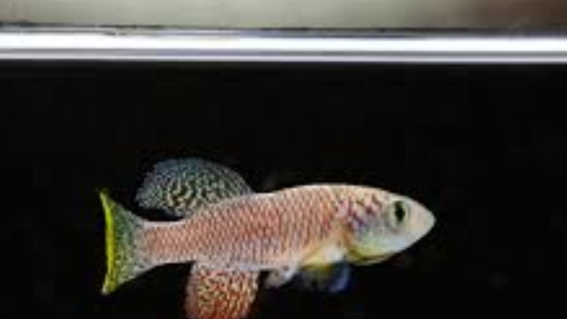
04 December 2025 Punjab Khabarnama Bureau : Fifty years ago, long before modern genetic tools, drone surveillance, and AI-driven disease tracking existed, scientists and public-health workers made an unexpected discovery: a small, resilient fish could dramatically reduce malaria transmission. This breakthrough became one of the most celebrated examples of biological pest control and changed how several countries approached mosquito-borne diseases.
The Malaria Crisis of the Past
During the mid-20th century, malaria remained one of the biggest public-health threats across Asia, Africa, and parts of Latin America. Mosquitoes that carried the parasite, especially Anopheles species, thrived in stagnant water—ponds, wells, puddles, irrigation channels, and even small household containers.
Chemical insecticides such as DDT were widely used, but they came with drawbacks: environmental damage, insect resistance, and high costs for low-income regions. Public-health officials desperately needed an alternative that was affordable, sustainable, and safe for ecosystems.
The Simple but Brilliant Idea
In the early 1970s, researchers revisited an earlier ecological insight: certain freshwater fish naturally feed on mosquito larvae. Among these species, the most notable was the Gambusia affinis, often called the mosquito fish. Originally from North America, it proved remarkably adaptable and easy to breed.
Public-health experts proposed a simple method:
- Introduce these fish into ponds, wells, and standing water
- Allow them to naturally consume mosquito larvae
- Reduce the mosquito population without chemical sprays
This idea was economical and required almost no maintenance once the fish adapted to the local environment.
Field Trials and Success Stories
Countries such as India, Sri Lanka, China, Israel, and several Southeast Asian nations began pilot programs introducing mosquito fish into local water bodies. The results were impressive:
- Larval density dropped sharply, often by more than 90%.
- Communities reported fewer malaria cases over time.
- Local ecosystems remained largely stable, avoiding the damage caused by repeated chemical spraying.
In some regions, school students even participated in awareness drives, learning how mosquito fish worked and helping release them into stagnant-water hotspots. The fish became an educational tool as much as a public-health resource.
Ecological Concerns and Course Corrections
While the method was successful, scientists later noted that introducing non-native fish required careful evaluation. In some ecosystems, mosquito fish competed with local species. As a result, later malaria programmes began shifting toward using native larvivorous fish, such as:
- Guppies
- Tilapia
- Native minnows depending on region
These species were better suited to maintaining ecological balance.
A Turning Point in Public Health Strategy
The mosquito-fish initiative marked several important shifts in disease-control thinking:
1. Biological Control Over Chemical Dependence
The success of the fish highlighted the importance of nature-based solutions. It showed that not every major health challenge required heavy technology or expensive chemicals.
2. Community Involvement
Because fish introduction could be done locally, villages played a key role. This empowered communities to take part in malaria prevention rather than relying solely on central authorities.
3. Long-Term Sustainability
Unlike insecticide spraying, which had to be repeated every few months, fish continued working year-round with minimal intervention.
4. Holistic Ecosystem Thinking
The programme encouraged scientists to think about ecosystems rather than single organisms—balancing public health with environmental wellbeing.
Legacy and Today’s Relevance
Fifty years later, mosquito-control strategies have grown more advanced, including:
- genetic modification of mosquitoes
- AI-based prediction of mosquito breeding hotspots
- improved rapid diagnostics
- stronger anti-malarial drugs
Yet, in many rural areas, larvivorous fish remain a valuable low-cost tool, especially where budgets are limited or chemical resistance is rising. Several Indian states, for example, still breed such fish in government hatcheries for distribution in high-risk zones.
The idea that a small fish could save thousands of lives remains a powerful reminder: sometimes the most effective solutions come from observing nature rather than conquering it.
A Symbol of Innovation
The use of fish to control malaria continues to be cited in public-health textbooks as a landmark success. It serves as a lesson in:
- innovation
- simplicity
- ecological wisdom
- the power of biological systems
The story also emphasizes that solving major health challenges does not always require inventions from laboratories—sometimes it requires paying attention to what nature is already doing well.
Summary
Fifty years ago, scientists used mosquito-eating fish to control malaria by reducing larvae in stagnant water. This eco-friendly, low-cost strategy transformed public-health efforts and remains influential in disease control today.