

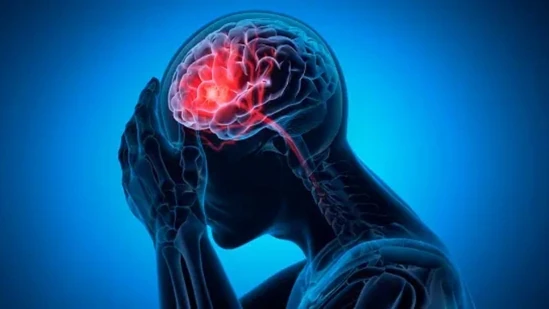
15 july 2024 : The brain requires constant supply of oxygen and nutrients to function properly. When the oxygen flow to the brain stops, even for a brief period of time, it can be dangerous. A brain attack or a stroke happens when the blood flow to the brain stops. The common symptoms of stroke are trouble in walking, understanding and speaking. Paralysis, or numbness in the face, legs or arms are also common symptoms of spotting a stroke or a brain attack. In an interview with HT Lifestyle, Dr Sanjay Pandey, HOD, Neurology, Amrita Hospital, Faridabad, said, “Depending on the site of the lesion in the brain, variable presentations can occur, including speech abnormalities, loss of sensations on the same side as the weakness, symptoms related to the loss of balance function maintained by the cerebellum, altered psychological behavior (agitation or fear), or even loss of bladder or bowel control.”
“Common risk factors for stroke include diabetes mellitus, hypertension, hypercholesterolemia, smoking, and alcohol consumption. Young-onset stroke can be caused by underlying coagulopathies, congenital or acquired heart diseases (e.g., rheumatic heart disease), and collagen disorders,” the Neurologist added.
Dr Sanjay Pandey classified brain stroke in two forms – Ischemic stroke and hemorrhagic stroke
Ischemic stroke:
Why does it happen?
Ischemic stroke occurs due to an obstruction in the blood flow within cerebral vessels that supply the brain. It can be further divided into thrombotic stroke and embolic stroke.
Early symptoms:
Patients with an ischemic type of brain stroke usually present with loss of consciousness, sudden fall, deviation of the angle of the mouth to one side, weakness in the arms and legs, or complete paralysis of one half of the body.